

The Science of Connection: How Attunement Shapes a Child’s Brain
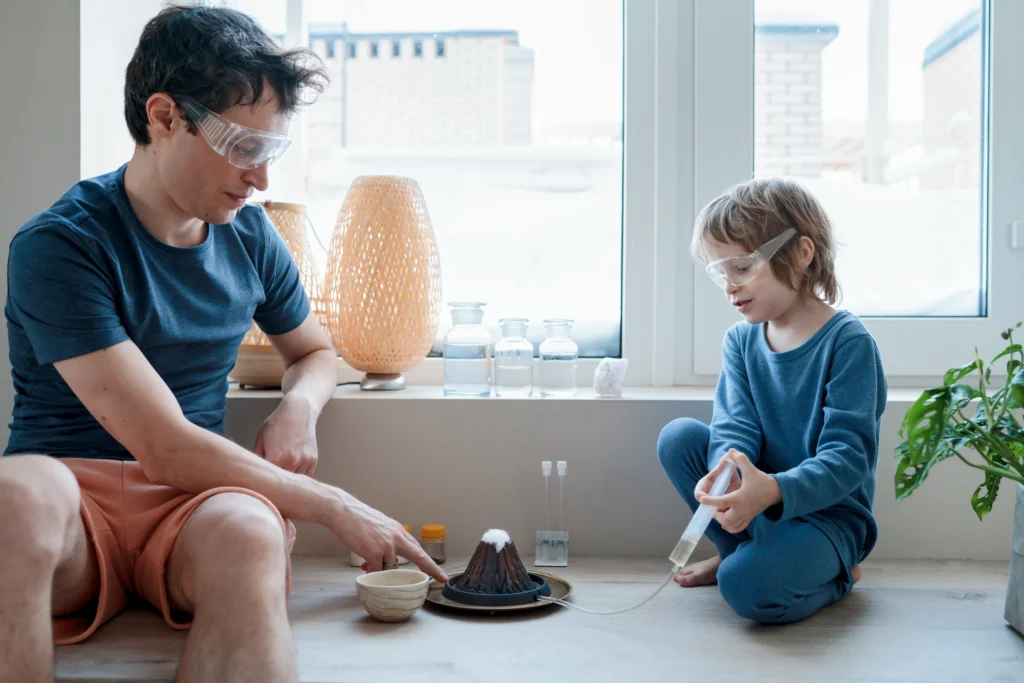
Any parent would wish for his /her child to feel that he/she loves him/her, is confident and safe. But there is something beyond affection, and this is the delicate emotional attachment, which is called attunement that impresses a lot on the growth of the brain of a child. A Child Development Specialist explains the sensitivity of parents towards kids so that neural processes can be triggered to process the emotional regulation, learning and empathy. It is during this process whereby the ground work of holistic development shall be made where the emotional and cognitive development thrives simultaneously. Meaning of Attunement as a Child Development Process? Attunement can be described as the capabilities of a parent to identify and respond to the emotional state of a child in a precise and friendly way. By replicating the manifestations, tone and requirements of your child, the emotion centres of the brain, predominantly the limbic system begin to associate security with human interconnection. This association is similar to a stabiliser in childhood. The child learns to deal with feelings, trust relationships. Children have a high level of stress response in their brain without attunement, and this translates to the inability to control feelings in their adulthood. The significance of Attunement in the Growing Wholeness. The emphasis of holistic parenting is made on the growth of the mind, body and emotion together. The most suitable one is Attunement as it integrates emotional intelligence in child development, social understanding, and resilience to everyday life. Emotional Safety: Sound emotional reaction strengthens the child with respect to feeling secure and being a part of the family. Cognitive Development: Secures are more specialised and even investigate more assuredly the establishment of wholesome neural connectivity. Social Intelligence: When children are made to feel that they are heard, they grow to be problem solvers, cooperative and emphatic. This is not done at perfection but at consciousness and presence. It is of small deliberate connections which are repeated daily. The Psychological Intelligence of Child Development. A lot of emotional intelligence in child development begins with children observing the way their parents demonstrate their emotions. When calming down in expressing feelings, the children are taught how to use emotional words and control. They understand that they need not fear anger, sadness, or frustration and they are all normal human emotions that can be directed safely. In the majority of situations when parents conduct attunement, they watch their children grow kinder and self-reliant. This supports the Child Autonomy Parenting in which the children learn to make decisions and resolve the problems and are conscious of being emotionally present. Positive Discipline of Toddlers Strategies. Punishments do not necessarily need to be detached. Positive discipline strategies for toddlers strengthen discipline without fear. The relation between this and attunement is the following: Wait to respond: Emotional control is through breathing in order to react to the misbehaviour. Pre-fixation on the check: Nursing sensitivity to a child (I can see that you are upset) prepares the stage to learning. Redirect: It is not necessary to punish, just offer this person a choice and turn the situation into a learning experience. Such responses enable children to identify discipline with growth as opposed to humiliation that is the foundation of perception and toughness. Connexion Building on the principle of daily responsiveness. Even simple behaviour is vital and makes one more sensitive to emotions looking at the child when she is playing, not talking, speaking with the same voice as your child. As time goes by, the brain learns such regularities where it comes to control emotions and have a relationship that can be counted upon. Attunement, in the situation of parents, is also related to self-awareness. The more you are less nervous, and the more you are balanced, the more your child will like it. This self control evolves to the invisible rope that provides the emotional and secure attachment in the world. Conclusion The process of holistic development occurs based on the science of connection known as attunement. When nurtured by parents in the presence rather than perfection, emotional intelligence, resilience, and trust are developed. Both Child Autonomy Parenting and Positive discipline strategies for toddlers, all the actions of conscious connection influences the forming brain. You are a conscious, loving, caring person and not only are you raising a child, you are raising a whole, emotionally intelligent person. Visit Vedandi Brahambhatt on Instagram and YouTube to read daily posts, tips on mindful parenthood and professional advice on how to bring up an emotionally balanced child. FAQs What is attunement as far as parenting is concerned?Attunement is the ability to recognise the emotional attentions of your child and respond to it and through this process creates trust and emotional assurance. How can emotional intelligence affect childhood development?It introduces children to feelings, builds empathy, is able to cope with the challenges without stress, which improves social and cognitive growth. What are among the parenting self awareness practices?Meditate and observe what occurs, document the distressing condition that you have experienced, or rethink the reaction that you have had towards the activities of your child. The question is what is the role of attunement in holistic development?It is a connection of emotional aspects, social aspects and intellectual growth, upon which a Holistic Child Development is based. Which are the effective behavioural discipline strategies when handling toddlers?Confirm emotions, softer refocus action, and practice unwavering responses to educate/train emotional control through connection.