

How Rhythm and Predictability Support Regulation and Peace in Your Home
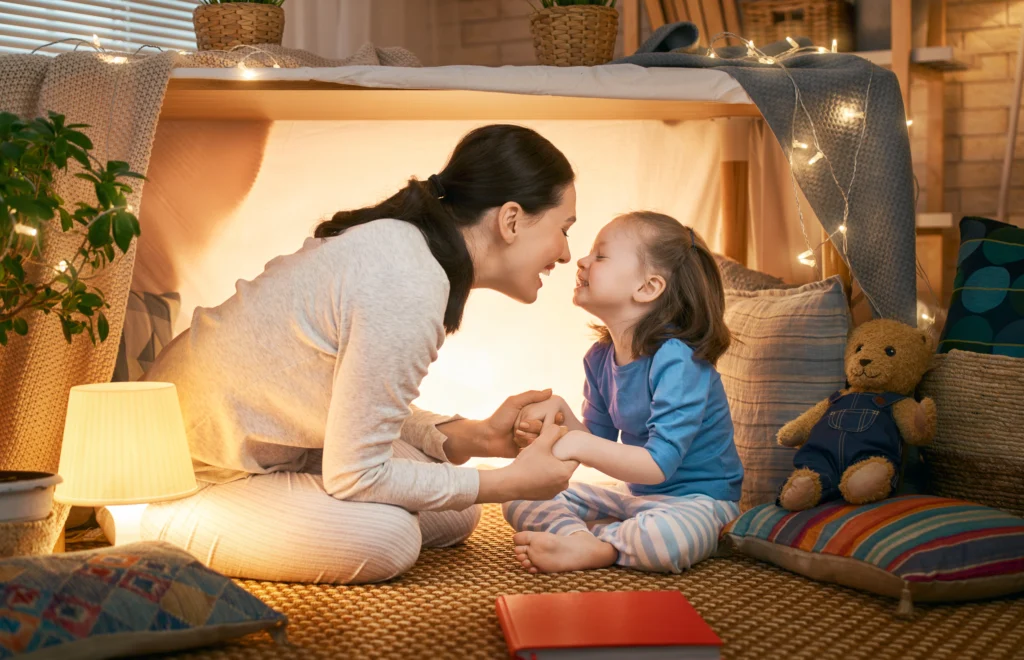
Most households are very hectic, responsive, and emotionally taxing- particularly in cases where children have a problem with big feelings. There is a tendency among parents who experiment with more regulations or more activities but still, the state of calm remains unachievable. Child development studies indicate that the best regulation occurs in a child when the background seems predictable and safe emotionally. Here mindful parenting will be effective. With the introduction of regularity and stability, families facilitate emotional control in children and make them the background of an integrated child development. This paper will discuss why rhythm is needed, how it functions and how the conscious parent can use rhythm as a way of establishing peace in the home. Rhythm and Predictability in Parenting: What Are They and How Do They Work? Rhythm and predictability are the terms used to refer to the monotony and repetition on which the day and emotional world of the child are based. Are these schedules not strict structures in mindful parenting, rather than assuring cues of safety. Rhythm will favour regulation in that it: To the conscious parent, rhythm is a means of being connected rather than being controlled. The Reason Why Rhythm Is Crucial to Regulating Emotions in Children Children learn to regulate their emotions when they are in their environment and then they can do it by themselves. Nervous System Safety Routine activities assist in stopping the stress response, and emotional regulation becomes more available among children. Less Meltdowns and Power Struggle With understanding of what to anticipate, both anxiety and cooperation are lowered. Better Parent-Child Relation Being mindful in a predictable rhythm will enable the parents to be responding calmly as opposed to the emotional response that is triggered. Endorsing the Holistic Child Development It favors emotional, cognitive, social and behavioral development- not only the discipline. Improved Sleep and Focus Rhythm enhances sleep quality and attention which is very necessary in healthy development. Such advantages are directly geared towards child development in the long run. Fundamental Elements of a Restful, Relaxing House A harmonious domestic setting is maintained by simple, repetitive aspects and not perfection. Key components include: To the conscious parent, these elements bring about stability that is not rigid. The Practicing of Rhythm and Predictability The development of rhythm is a step-by-step, premeditated process. The practice empowered parenting and self-control among children. Popular Problems and Errors An obvious error is the distraction of rhythm with strict control. Excessive scheduling is usually a higher cause of stress instead of decreasing it. The other problem is the inconsistency among the caregivers and this breaks the predictability. Other parents will give up on routines when there is disruption rather than coming back to it in a gradual manner. The way out will be flexibility in structure and taking emotional safety over perfection. Future Future Trends in Mindful Parenting and Child Development Neuroscience and emotional wellbeing are also turning into the leading guides on the methods of parenting. Emerging trends include: Outside source: Harvard center on the developing child – https://developingchild.harvard.eduObtained internally: Find out more about mindful parenting practices – /resources/mindful- parenting Have You Had Enough of the Stress at Home? Whether your home is reactive or not, the missing element might be considered to be rhythm. Even minor and regular adjustments may benefit emotional security and a sense of connection significantly. Mindful parenting is all about predictability and not about perfection. Conclusion Drum beating and predictability are good instruments of peace making at home. To the conscious parent, they provide an approach of supporting emotional control in uncontrollable and unpressurized kids. Children are able to concentrate on growth and not survival as long as everyday life is stable. This stability eventually leads to child holistic development, in terms of emotion, social, and cognitive development. Mindful parenting or a rhythmic approach to parenting enables families to make their homes easier and their children stronger one predictable moment at a time. FAQs What role does rhythm play in emotional control of kids? Anticipation alleviates stress, and makes the children feel secure, emotions are able to be handled without being overwhelmed. Is conscious parenting equivalent to intense routines? No. Mindful parenting is based on emotional protection, integration within format, rather than strict timescales. What would happen in case routines are changed? Disruptions are normal. Going back to rhythm with no guilt and slowly assists to regain control. Is rhythm effective with older children? Yes. Regularity helps them to control their emotions and concentration at any age. The time lag between routines bearing fruits to us? Calmer behavior is observed in STG as a result of consistent practice with two to three weeks after observation.