

The Neuroscience Behind Play: How to Join Your Child in Their World
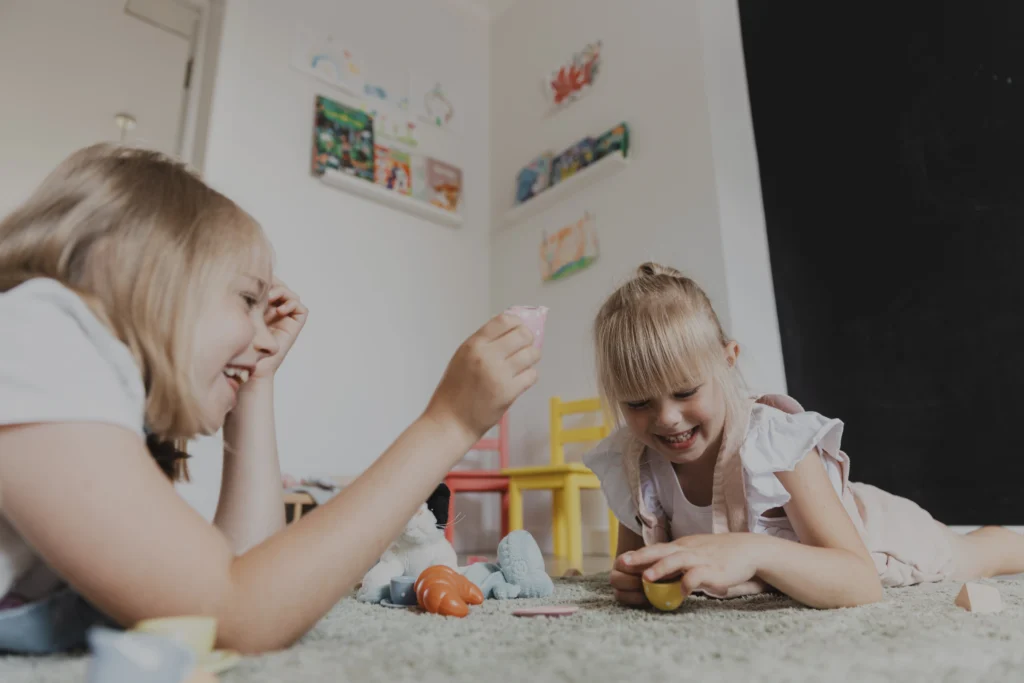
Introduction In the modern busy and screen-heavy society, a lot of the parental concern is whether what they are doing actually aids the child in her growth. It has been common to view play as a relaxation of learning, however, neuroscience proves otherwise. The way a child develops her brain is through play, arranges the feelings, and creates social cognition. Parents who participate with their children in the process of play will have a direct influence on shaping the brain development. This blog will discuss neuroscience of play, Child Development Specialist role, and advantages of mindful parenting on child development in simple Toddler Activities. What Is the Science Behind the Neuroscience of Play? The normal mode of learning in the brain at an early age level is play. During play, several brain areas are used simultaneously, which include the areas involved in emotion, attention, language, and making decisions. A neurological point of view states that play assists children: A Child Development Specialist considers play as hard work on the brain and not leisure. The Value of Play as a Whole Child Development Is Necessary Play benefits the Holistic Child Development both emotionally, cognitively, socially and physically. Emotional Regulation Pretend play in activities and movements help children to express and cope with emotions such as fear, excitement, and frustration. Secure Parent-Child Bond Directed play develops stronger attachment when the parents engage in the play without dictating it. Cognitive Growth and Language Growth Problem solving, creativity and vocabulary building is promoted with open-ended Toddler Activities. Social Skills Development Play also teaches cooperation, empathy, and turn-taking and communication, skills which are essential in the long run relationships. Stress Reduction Neuroscience play reduces stress hormones and helps to have a more relaxed and balanced nervous system. These are some of the advantages of being a mindful parenting parent to a child. Essential Building Blocks of Brain-Healthy Play Toy prices and lessons are not necessary to play well. The quality of interaction is what matters. Core elements include: The principles are in favor of the Holistic Child Development of children and are widely suggested by Child Development Specialist experts. The Interaction of Play Between a Child and His or Her World Entering the world of the child through play does not need effort but will. These actions strengthen attachment and augment the advantages of mindful parenting towards child growth. Popular Problems and Dynamics of Parents Intruding on play is one of the most typical errors and inhibits creativity. The other one is playing with a phone, undermining emotional attachment. Parents can also be concerned only with the organized Toddler Activities and ignore imaginary or sportive games. The antidote is focusing on presence, simplicity and emotional bonding and not performance. Child Development and Play: Future Trends Neuroscience-informed parenting is gaining growing importance within the modern thinking of child development. Current trends include: Families are increasingly seeking advice over Child Development Specialist to help in emotional and neurological development as opposed to acceleration of development. Will You Be Ready to Support Your Child Through Play? To develop such things as emotional intelligence, brain growth and confidence in your child, the first step begins by sharing their world. Play is not subsidiary to development on the contrary it is development. Casual, communal interactions of play form the best premise to lifelong learning and resilience. Conclusion The neuroscience of playing is clear as children flourish through interrelation, rather than stress. When parents play attentively, they are supportive on emotional regulation, cognitive flexibility and secure attachment. The positive outcomes of mindful parenting to the Holistic Child Development is much more than childhood, as it determines the way people learn, relate, and cope in life. Using the noble principle of play as a key to understanding, families contribute to a truly holistic development of a child, one moment at a time. FAQs What is the role of play in the development of the brain? The use of play mobilizes several brain regions at the same time, enhancing neural adaptations of emotion, problem solving, language and self-regulation. What does a child development specialist say about the issue of play? The Child Development Specialist promotes brain-nutritious emotional play that is child-driven and emotional. Do structured toddler activities out perform free play? The two are practical, but free play is crucial in creativity, emotional expression and independent thinking. What time is the right amount of time to be spent on playtime? Even 15–20 minutes of an entire, distraction-free play every day can be highly beneficial to development. What is conscious parenting in the play? Mindful parenting is the act of being emotionally available, leading the child in the direction they want and attentive in relationships and not correction.