

The Sibling Connection: Encouraging Empathy Between Brothers and Sisters
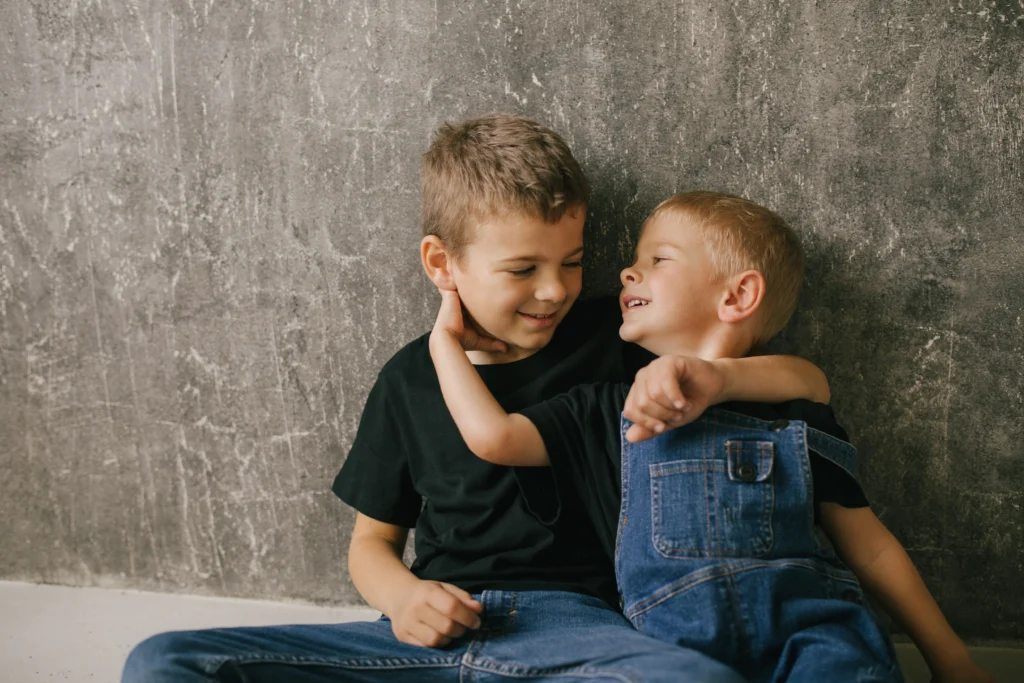
Turning Everyday Conflict into Emotional Intelligence If you have more than one child, you’ve probably seen it up close — the competition, the comparisons, the dramatic “That’s not fair!” moments that seem to come out of nowhere. Sibling dynamics can genuinely feel overwhelming. One minute they’re laughing together like best friends. Next, they’re in a full-blown argument over who got the bigger slice of pizza. But here’s something most parents don’t hear enough: sibling conflict is not a sign that something is wrong. It is actually one of the most powerful training grounds for emotional growth a child will ever have. As a Child Development Specialist, I say this to families all the time siblings are each other’s very first long-term relationship. When parents guide those moments with intention, the daily disagreements stop feeling like fires to put out and start feeling like opportunities to grow empathy, cooperation, and emotional regulation. Through mindful parenting, we really can transform rivalry into resilience. Why Sibling Conflict Is Developmentally Healthy Research published in the Journal of Family Psychology shows that siblings in early childhood may have multiple minor conflicts per hour. I know that sounds exhausting. But it is completely normal. Children are actively learning: Boundary setting Fairness Negotiation Emotional expression This is a crucial part of Holistic Child Development. Rather than jumping in to stop every single disagreement, our real job as parents is to coach through it. This is exactly where the conscious parent steps in, not as a judge handing down verdicts, but as a calm guide helping children find their way through. 1. Teach Emotional Literacy First, Solutions Second When siblings argue, the instinct for most parents is to fix it immediately: “Give it back.” “Say sorry.” “Share nicely.” But emotional intelligence begins with naming feelings, not rushing past them. Try something like this instead: “I see two kids who are really upset right now. Let’s figure out what each of you is actually feeling.” This supports Emotional Regulation Kids are still developing. When children can put words to things like jealousy, frustration, or disappointment, the sheer intensity of the conflict starts to shrink on its own. Using Nonviolent Communication, you might say something as simple as: “You wanted a turn and felt frustrated when it didn’t happen.” This is the heart of Active Listening Parenting — children feel genuinely heard before they are corrected. The Benefits of mindful parenting for child development run deep: stronger empathy, less aggression, and better peer relationships. And it all starts right at home. 2. Avoid Comparisons — Highlight Individual Strengths One of the quickest ways to pour fuel on sibling rivalry is comparison. Most parents don’t realize they’re even doing it. Phrases like: “Why can’t you be more like your brother?” plant seeds of insecurity that grow into real competition over time. Try recognizing individual growth instead: “I noticed how patient you were today.” “You really worked hard on that.” When parents explore How to implement conscious parenting techniques at home, the focus naturally shifts to effort over comparison. That shift alone reduces jealousy and helps children build confidence that comes from within. Structured Toddler Activities built around cooperative play, things like building something together or shared art projects, also teach teamwork from a surprisingly young age. 3. Create Safe Spaces for Open Dialogue Empathy cannot grow in a space where children feel emotionally unsafe. It just can’t. A weekly Family Meeting can genuinely change the atmosphere in a home. It gives everyone a structured, calm place to talk through things that felt difficult during the week. Try asking: “What’s something that felt unfair this week?” “How can we support each other better?” Families practicing conscious co-parenting often find that when both caregivers use consistent emotional language, sibling tension quietly drops. Parents exploring Conscious Co-Parenting NJ strategies regularly share that cooperation improves when both households model the same conflict resolution tools. Positive discipline strategies for toddlers also help set boundaries that are firm and respectful at the same time: “I won’t let you hit. You’re angry. Let’s find another way to show that.” This protects both children while still honoring what the child is feeling inside. Real-Time Parenting Reality in the U.S. Modern family life comes with pressures that previous generations simply didn’t face: Increased screen time leading to reduced face-to-face problem solving Smaller support systems Higher parental stress levels According to CDC data, emotional dysregulation in children has increased in recent years, shaped in part by the environment children are growing up in today. That is exactly why intentional sibling coaching matters more now than it ever has before. Many families are finding support through consultations, workshops, and the Best Parenting Books that speak to where they actually are. Conscious awareness is replacing the outdated “just stop fighting” approach that most of us grew up with. A Personal Reflection I remind parents of this often: siblings will most likely know each other longer than anyone else in their entire lives. How they learn to handle conflict right now, in these ordinary, messy, everyday moments, will quietly shape how they manage friendships, partnerships, and even workplace relationships decades from now. When we respond with calm coaching instead of frustration, we teach: Emotional awareness Perspective-taking Repair after conflict Empathy in action That is the quiet, lasting power of mindful parenting. Conclusion: From Rivalry to Relationship Sibling conflict is not the opposite of love. It is the classroom for it. Here is one simple thing you can try today: The next time your children argue, get down to eye level and ask each child to describe what the other might be feeling before anyone jumps to a solution. Perspective-taking builds empathy faster than forced apologies ever will. I have seen it work in family after family. If you would like deeper support in building emotionally resilient sibling relationships, explore our consultation services and learning resources at https://vedangibrahmbhatt.com/. Follow us on Instagram and YouTube, for weekly parenting insights. Don’t forget to follow us on Instagram and