

Turning Sibling Rivalry into Emotional Literacy Opportunities
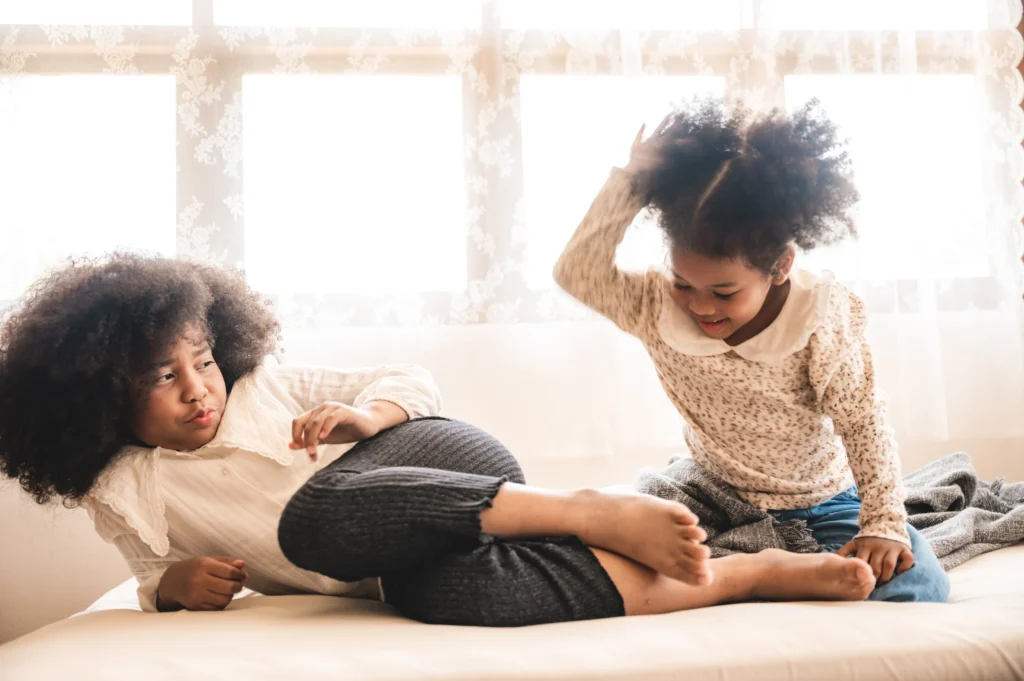
Helping Brothers and Sisters Grow Through Conflict Sibling rivalry is one of the most common concerns I hear from parents across the United States. The arguing, the competition, the constant “That’s not fair!” can feel genuinely exhausting some days. But what if sibling conflict isn’t actually a problem to eliminate, but an opportunity to build emotional intelligence? When approached through mindful parenting, sibling rivalry becomes one of the richest environments for teaching empathy, communication, and emotional regulation. As a Child Development Specialist, I’ve watched how ordinary disagreements between brothers and sisters can strengthen, not damage, lifelong bonds when handled with care. Let’s look at how to turn rivalry into emotional literacy. Why Sibling Conflict Is Developmentally Normal Research from the Journal of Family Psychology shows that siblings argue on average 3 to 8 times per hour in early childhood. That sounds like a lot, but it’s completely normal. Children are actively figuring out boundaries, fairness, identity, and how to negotiate with another person. Conflict between siblings is often about: Competing for attention Developing autonomy Learning social rules Practicing emotional expression This is where Holistic Child Development begins, not in perfect harmony, but in guided conflict. 1. Pause the Problem-Solving — Start with Emotion Naming When siblings fight, most parents want to fix things right away. But emotional literacy starts before solutions ever enter the picture. Instead of: “Stop fighting. Say sorry.” Try: “I see two kids who are really frustrated. Let’s figure out what each of you is feeling.” This supports Emotional Regulation Kids are still learning. When children can name what they feel, things like jealousy, being left out, anger, embarrassment, their brains begin connecting logic with emotion. Using Nonviolent Communication, you can walk them through it: “You wanted the toy, and you felt upset when it was taken.” “You felt hurt when your sister didn’t include you.” This models Active Listening Parenting and helps children feel understood before anyone moves toward correction. 2. Use Conflict as a Mini Emotional Classroom Sibling rivalry is honestly a built-in practice ground for real life skills. Here’s how to turn arguments into emotional literacy lessons: A. Teach Perspective-Taking Ask: “What do you think your brother was feeling?” Perspective-taking builds empathy, which is one of the most important skills a child will ever develop. B. Encourage Collaborative Problem Solving Rather than handing down a solution, ask: “What would feel fair to both of you?” This fits naturally with Positive discipline strategies for toddlers and older children too. C. Hold Regular Check-Ins A weekly Family Meeting gives siblings a calm, predictable space to talk through recurring tensions. When families practice conscious co-parenting, consistent messaging around fairness and empathy tends to reduce competition at home. Parents exploring Conscious Co-Parenting NJ approaches often notice real improvements in sibling cooperation once both caregivers start modeling emotional consistency. 3. Shift from Comparison to Individual Strengths Comparison is honestly one of the biggest triggers of sibling rivalry there is. Statements like: “Why can’t you be more like your sister?” push children toward competition rather than connection. Highlighting individual growth works so much better: “I see how hard you worked on that.” “You’re really patient with puzzles.” When parents practice How to implement conscious parenting techniques at home, they naturally move away from comparison and toward encouragement that feels personal. Research from the American Psychological Association shows that children who feel uniquely valued are far less likely to compete aggressively for parental approval. This is one of the real Benefits of mindful parenting for child development, it reduces rivalry by building genuine self-worth. Real-Time Parenting Reality in the U.S. Modern families carry pressures that previous generations simply didn’t face: Increased screen time leading to overstimulation Smaller family networks and less extended-family support Higher stress levels in dual-working households CDC data shows increased emotional reactivity among young children post-pandemic, making sibling conflicts sharper and harder to manage. That’s why building emotional literacy at home matters so much right now. Structured Toddler Activities that involve turn-taking, cooperative play, and emotion labeling can quietly reduce daily power struggles in a big way. Parents who try parenting courses, coaching, or pick up the Best Parenting Books often share that sibling dynamics shift noticeably once the way people communicate at home starts to change. A Personal Reflection I say this to families often: siblings are each other’s longest relationships. How they learn to handle conflict at five years old often shapes how they handle disagreements at twenty-five. When we step into rivalry with calm guidance rather than frustration, we teach: Emotional awareness Boundary setting Repair after conflict Empathy in action That is the essence of the conscious parent. Conclusion: Conflict Is a Classroom Sibling rivalry isn’t something to suppress. It’s something to steward. The next time your children argue, try this: Instead of choosing sides, get down to eye level and say, “Help me understand what happened.” You’ll be surprised how quickly children shift from shouting to sharing when they feel genuinely heard. If you’d like deeper guidance on building emotionally resilient family relationships, explore our consultations and learning resources at https://vedangibrahmbhatt.com/. Follow us on Instagram and YouTube, for weekly insights on parenting and emotional development. And don’t forget to follow us on Instagram and YouTube for more practical strategies and real-life tools. For the latest news and updates, click here to view our recent press releases and stay connected with our work. Sibling rivalry is not the opposite of love. Handled consciously, it becomes the training ground for it.