

How to Deal with Stubborn Child Behavior – What It Really Means
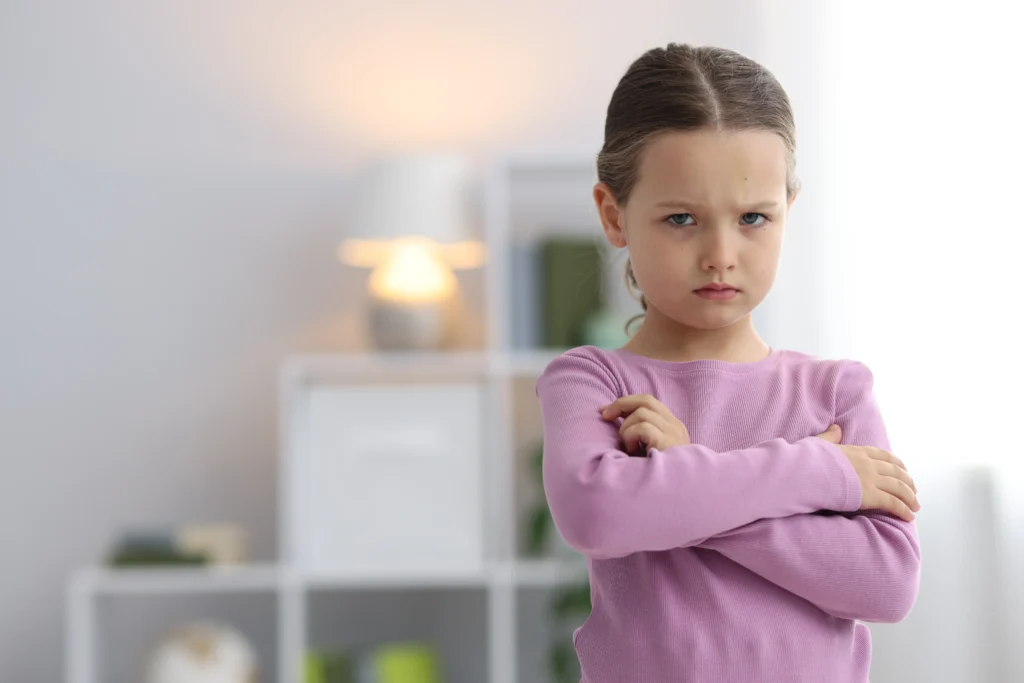
Getting a hold of their stubborn child behavior – what it means. Your 5-year-old isn’t eating lunch. You’ve asked 5 times. They’re being “stubborn.” You’re frustrated. Power struggle ensues. But what about the word stubborn and the idea that it’s not defiant? Suppose that your child is saying something significant? The key is to grasp the impenetrable resistance, and that’s what this book does. What “Stubborn” Really Means The real meaning of Stubborn. Stubborn” is a term that we typically use when we are referring to resistance, defiant behavior, or an attitude that is difficult to give up on. However, stubborn is usually the indicator of: A 3 year old saying “NO!” is a developmental learning process. This is not defiant behaviour, it’s healthy development. The Psychology of Stubborn Behavior Evidence of child development indicates that “stubbornness” is at its height during ages 2-3 and 4-5 (developmental independence phases). It is not misbehaviour. It’s a sign your child is: Shaming this teaches: Your preferences do not matter. Just obey. You have a voice, and when we hear it, we learn: we are taught when we respectfully acknowledge it. I’m listening. This is a major part of stubborn child psychology. Why Power Struggles Make It Worse If you have a battle of the sexes situation: Rather than: “You WILL eat this lunch! Try to understand: “You are not hungry for lunch at the moment. What’s going on?” Many times, they will tell you. But the resistance evaporates. Practical Strategies for Stubborn Behavior Situation #1: Give some autonomy, but not too much Rather than: “Have lunch”. Try: “It’s lunchtime. Would you like sandwiches or pasta? They are not deciding if they are going to eat. They’re choosing what. You have provided them with some freedom within a limit. Stubborn child behavior will usually fade quickly. Approach #2: Get Curious Before Correcting If your child is being difficult: Often they’ll reveal the actual issue. Perhaps they’re not sleepy or need a nap. Perhaps the shirt is itching.Perhaps the shirt is itchy. Perhaps they’re nervous when it comes time for the change. Knowing helps to solve the actual issue rather than trying to deal with the behavior. Before redirecting, validate I know you don’t want to leave the park here because that’s hard, we’re going home now, and tomorrow we will come back. Validating does not equate to surrender. It means: I hear you, your feelings are important, AND the boundary is not removed. Strategy #4: Use humor and play to help you relax Rather than “come on, hurry up!”, use the following phrases: Can you beat me?” The fun comes when there’s some humor. Play bypasses resistance. Strategy #5: Let Them Have a Say in Implementation Let’s get geared up for school. Do you want to brush teeth first or get dressed first?” They’re not deciding if.They’re not deciding if, they’re deciding when. They’re choosing the order. This respects their independence and you set a boundary. These are practical ways for how to handle stubborn child situations calmly. When It’s Not Just Stubbornness Occasionally difficult behavior can mean that there is a deeper issue at play: If your child is consistently rejecting large items (such as school, eating, routine), and any small steps are unsuccessful, you may want to consult with a professional. Not because of what’s ‘wrong’ but because of what’s below. Sometimes a deeper stubborn child behavior solution may require understanding emotional or developmental challenges. The Bigger Picture: Building a Strong-Willed Child Kids identified as “stubborn” tend to become: The purpose is not to get rid of stubbornness. It is to help them to express their will in a respectful manner. This means: Key Takeaway: Stubborn child behavior is not defiant behavior to beat down. It’s your child’s maturing sense of self and independence. But when you do work with it (by offering choices, exploring with questions, acknowledging emotion) rather than against it, the behavior will change naturally. And you are raising a child who knows their voice is important – a gift.