

How to Build Confidence in Children – Beyond Praise
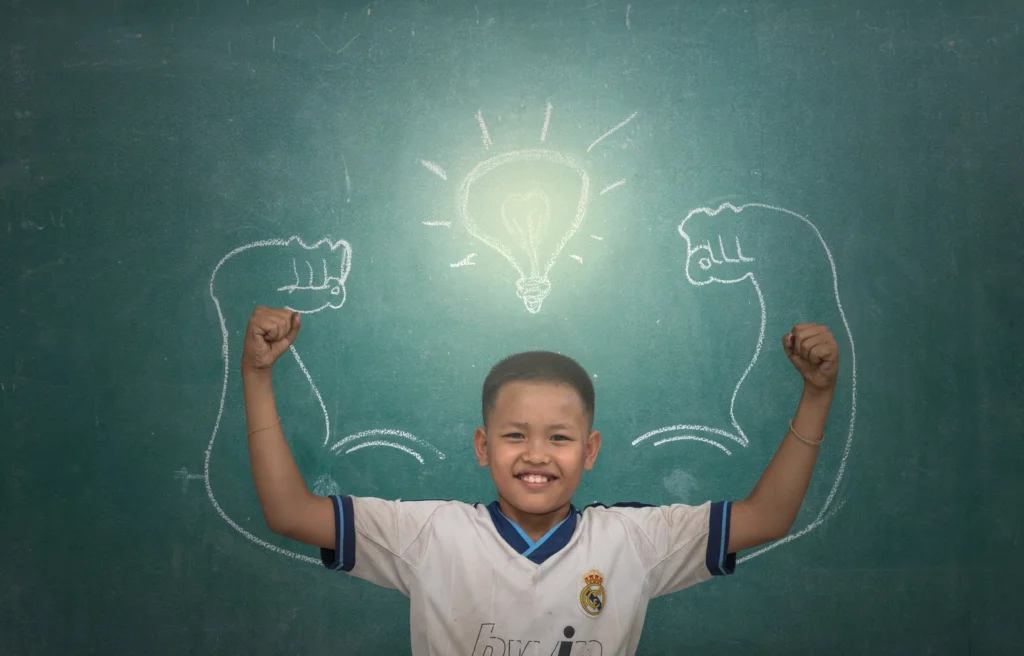
The accompanying activities and mindset changes will help kids build confidence in themselves. Meta Description: Raise confident children. Discover how to strengthen self-esteem, activities to build confidence in kids and attitude changes to make that encourage them to be courageous and to believe in themselves. Beyond praise – how to build confidence in children? Your 4 year old is reluctant to try new things. I can’t, they say, “I can’t do it. You want to tell him/her, “Yes, it’s possible! You’re so smart!” They are skeptical about you, though! The problem is that when you give someone applause that is too broad, you’re not boosting their confidence. Confidence is a real thing and it is based on experience and ability. Allow me to demonstrate how to construct the genuine article. What Confidence Actually Is and Isn’t Confidence Isn’t: Confidence Is: Confident kids don’t have any fear. They’re frightened, but they do their best. What Builds Real Confidence 1. Mastery (Actually Learning Skills) Students can write the correct spelling for the words. True confidence is borne out of doing difficult things, and really getting better. That’s the confidence when your child learns how to ride a bike, tie her shoes, read a book – and she does! It is not endowed by people who are praising it. It’s earned. What to do: 2. Autonomy (Having a Say) Children know they have options and choices when they have control. Rather than say “Here’s what you’re wearing. Alternative: “Would you like the blue or red shirt? They are not making a decision whether – you are keeping the boundary. However, they are deciding on how, which means more autonomy. What to do: 3. Resilience (Bouncing Back) Being confident does not mean you don’t fail. It’s knowing you can handle failure and try again. If your child does not succeed and you respond, “That was tough, what will you do next?” – that develops resilience. Saying you are too young for this – creates doubt. What to do: 4. Genuine Connection & Attunement When kids feel truly seen and valued – not by their achievement – but because of who they are, then they are confident. What to do: Practical Activities to Build Confidence Activity #1: “Challenge Ladder” Identify with your child something they want to do but are afraid of (bike riding, swimming, standing up in class). Divide it up into small chunks: Every step = a little victory. Confidence builds gradually. Activity #2: “Strength Spotting” Make a note of something your child did well, each week (not necessarily something they learned at school – perhaps they were kind, persistent, funny, creative). State: “I noticed you… [specific thing]….That takes [strength: courage, kindness, creativity].” This helps them to be aware of their strengths. Activity #3 – Mistake Making Practice Intentionally make mistakes in front of your child: Read: “Mistakes are a normal thing to make, they’re how we learn. Activity #4: “Goal Setting” Assist them in establishing a goal (small and attainable): Check in regularly. Congratulate them on their success. These are excellent activities to build confidence in kids and practical ways for how to raise confident child habits naturally. What NOT to Do (Common Confidence Killers) Rather: “You have done some work on that, it shows. Rather: “That’s tough. What do you think you might try first? Rather: Point out what they are doing well and how they are getting better. Rather: “It wasn’t easy. What did you learn?_ Rather: “Best you can do and that is all that matters. These are important child self-esteem tips that help avoid damaging a child’s inner confidence. The Mindset Shift (Most Important) You can positively influence their belief by your belief. If you think: “My child is capable, resilient and can cope with challenges” – they will believe it! When you say to yourself: “My child is fragile, he/she needs protection” – they will think the same thing. It’s OK to not be happy all the time. You do need to have faith in their ability, however. Key Takeaway: Praise is not the way to build up confidence in children. It is created in real-life experiences, self-determination, resilience and authentic relationships. It’s only when you allow your child to have some difficulties, make some mistakes, learn something new, and then try again, and you don’t give up on them, that they gain true confidence.