

Effects of Screen Time on Children Brain Development – What the Research Shows
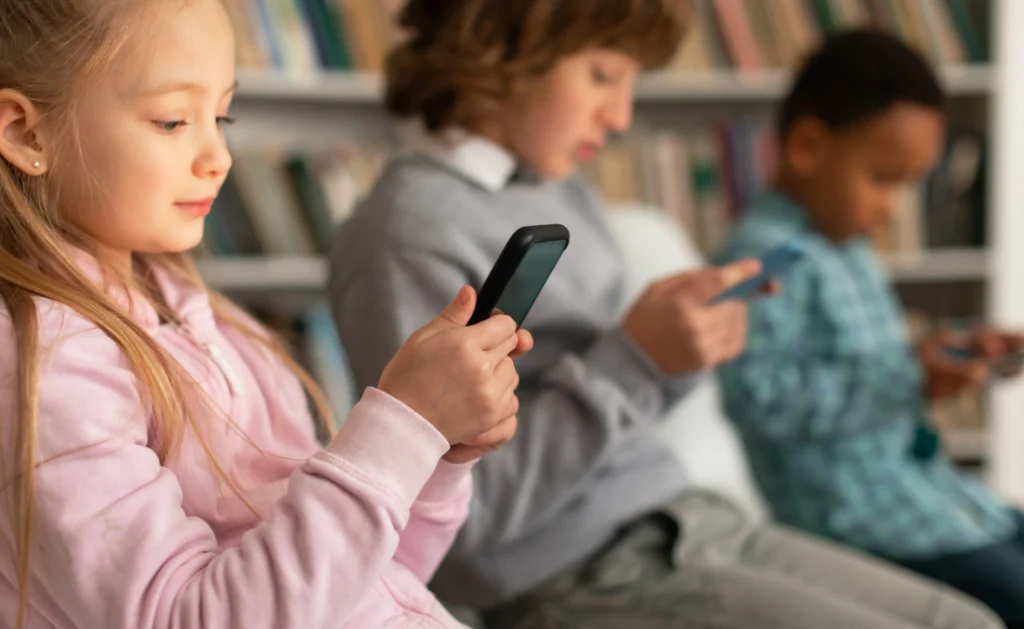
The effects of screen time on children brain development is the topic of this BLOG.This BLOG is about the impact of screen time on child brain development. Know the impact of screen time on the development of the child’s brain. Understand healthy digital parenting strategies, age-appropriate limits and effects on sleep/focus. Your 5-year old wants some screen time. You’re tempted because you’re in need of a break. You are also concerned: Is that damaging their brain? Here are some things we know from research – not all of it bad news. What Screen Time Actually Does to the Developing Brain The brain is the organ most vulnerable to the impact of screen time.The screen time impact is most likely on the developing brain. The Concern: A variety of input is necessary for growing brains – physical play, human interaction, unstructured time, boredom. Screens can offer “quick hits” of stimulation that can: The Reality: Not all types of screen time are created equal. These are just some of the claims that were made about the negative effects of screen time during this period. Some of the claims made during this time were: Age-Appropriate Screen Time Guidelines Under 18 months: Avoid screen time (except video chatting with family) How: They require sensory stimulation and socialization in the real world, 18 months to 2 years: How: Language is developed in a social context, not as a spectator sport. 2 – 5 years: What: Kids need to get a lot of sleep, which is important for brain development, and have a short attention span. 5+ years: How: Spending time outdoors, playing, working with the senses, listening to music, and singing together.With: Outdoor play, sensory activities, music and singing. These are important screen time for kids by age recommendations. Specific Effects of Screen Time 1. Sleep Disruption Televisions and screens stop the production of melatonin (sleep hormone). Implications: Children who have screens before sleep sleep 30-60 minutes less. Not enough sleep = development of the brain is slower, behavioral problems, learning difficulties. What to do: No screens 1 hour before sleeping. Keep devices out of bedroom. 2. Attention & Focus Excessive screen time, particularly watching fast-paced material, is associated with reduced attention spans. Impacts: Children have difficulty paying attention to books, learning, discussion. Reality check: A show of TV will not annihilate concentration. However, 2+ hours of daily may. Recommendations: Make a balance with books, play, conversation. 3. Language Development Passive reading is not as effective as conversational reading in developing vocabulary. Interactions: Kids who watch a lot of TV without interactions develop their language skills slower. Study note: Talk with co-viewing makes a big difference! What to do: View together and discuss: “What will happen next? 4. Social-Emotional Skills Empathy, negotiation, conflict resolution is taught in real-world play. Screens don’t. Impact: Children who have limited peer interaction may have social difficulties. How to do it: Make play time with other children a priority. 5. Physical Activity Play time = sedentary time. Impacts: less movement = less motor skills, poor posture, weight gain. Advice: Screen time needs to be balanced with active play. These are common screen time effects parents should understand. The Nuance: Not All Screens Are Equal Higher-risk screen use: Lower-risk screen use: For example, 20 minutes of your child’s well-chosen use of an educational app versus 2 hours of YouTube auto-play. Screen Time During COVID & Online Learning A large number of children attended online classes. Screens were necessary to accommodate remote learning. The discovery: There’s not a uniform effect on brains from all screen time. Different from passive watching, interactive learning is a video call with the teacher who is participating. Optimize the quality and interaction of the screen (in school / connection). Practical Screen Time Strategy 1. Create a family media plan: 2. Be a co-viewer: 3. Balance actively: The ratio of active play to screen time is 40+ minutes of active play per 20 minutes of screen time. 4. Model healthy use: Children are aware of your screen time.Children see your screen time. If you’re always on your phone, they will be too 5. Be realistic: What Worries Are Overblown These are the three falsehoods that could lead you to believe that screens aren’t really that bad.These are the three myths that might make you think that screens are not so bad. What’s Real: Key Takeaway: The impact of screen time is based on age, quality of screen time, length of screen time, and context. It is not possible to avoid them completely. Smart management is what counts, it’s high-quality content, brief duration, co-viewing if possible and balance with other activities. The aim is not to eliminate screens. Use is deliberate, considered and thoughtful.