

Why Play Is the Language of Children: The Science Behind Learning, Connection, and Emotional Growth
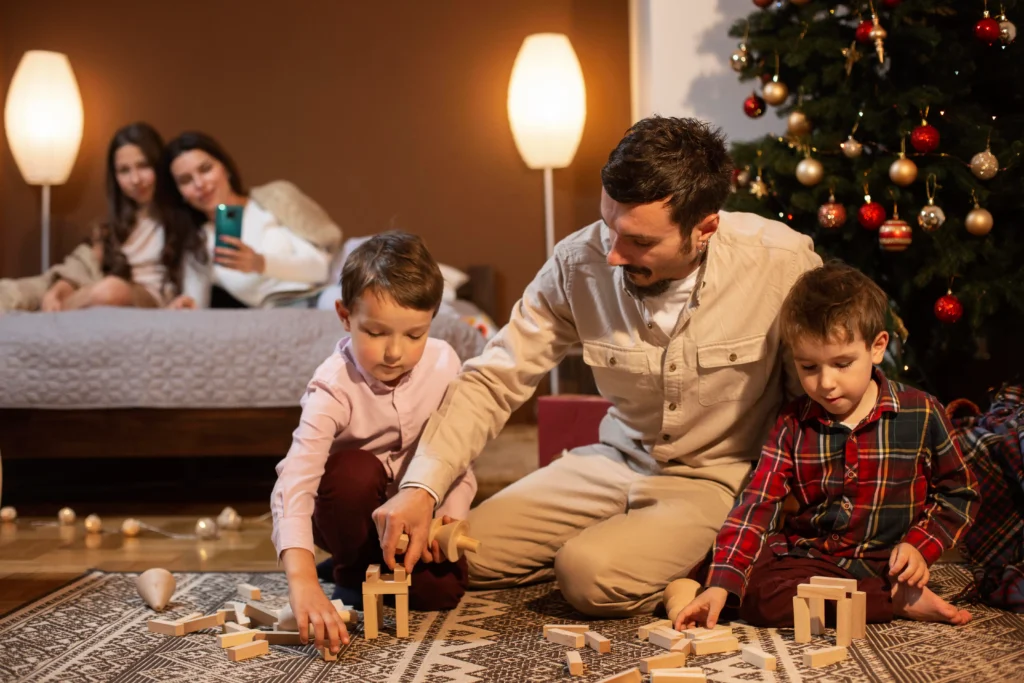
Play is one of the most natural and meaningful ways children explore the world around them. While adults may see play as simple entertainment, research in child development shows that play is an essential part of learning, emotional expression, and relationship building. Children often communicate through play before they have the words to explain their thoughts and feelings. A child’s imagination, games, drawings, and pretend scenarios can reveal their emotions, experiences, and understanding of the world. For parents, understanding the importance of play can transform the way they connect with their children. Play creates opportunities to strengthen the parent-child connection, support emotional growth, and help children develop important life skills. Through conscious parenting, parents can learn to view play not just as an activity but as a powerful form of communication and connection. Why Play Is Important for Child Development Play supports multiple areas of a child’s development, including emotional, social, cognitive, and physical growth. It allows children to practice skills, solve problems, express emotions, and build confidence in a safe environment. During play, children naturally learn how to: Unlike structured learning, play gives children the freedom to explore ideas at their own pace. This freedom helps develop curiosity and confidence. The Science Behind Play and Brain Development Play has a significant impact on how children’s brains develop. During playful experiences, children create new connections in their brains that support learning, memory, and emotional regulation. When children engage in imaginative play, they practice important skills such as planning, decision-making, and understanding different perspectives. For example, when a child pretends to play “teacher,” they are not only having fun. They are practicing communication, empathy, leadership, and problem-solving. Play also helps children process emotions. A child may recreate a stressful experience through toys or pretend games, allowing them to understand and express feelings that may be difficult to communicate verbally. How Play Strengthens Parent-Child Connection The parent-child connection grows through moments of shared attention, understanding, and emotional availability. Play creates a unique opportunity for parents to enter their child’s world and build trust. When parents actively participate in play, children experience: A few minutes of meaningful play can sometimes create more connection than hours spent together without emotional engagement. Children do not always need expensive toys or planned activities. What matters most is the parent’s presence, attention, and willingness to connect. Different Types of Play and What They Teach Children Children engage in different forms of play, and each type supports specific areas of development. 1. Imaginative Play Imaginative play involves pretending, storytelling, and creating imaginary situations. Examples include: This type of play develops creativity, emotional understanding, and social skills. 2. Physical Play Physical play includes activities like running, jumping, dancing, and outdoor games. It supports: 3. Constructive Play Constructive play involves creating or building something, such as using blocks, puzzles, or art materials. It helps children develop: 4. Cooperative Play Cooperative play involves interacting with others and working toward a shared goal. Children learn: Play as a Tool for Emotional Expression Children often experience emotions that they cannot fully explain. Play provides a safe way for them to express feelings and process experiences. For example, a child who feels nervous about starting school may create a pretend classroom with toys. Through this play, parents may understand the child’s fears and provide reassurance. Parents can support emotional expression by observing play without immediately correcting or directing it. Helpful responses include: These questions encourage children to share their inner world. How Parents Can Use Play to Build Deeper Connection Parents do not need to become entertainers. The goal of play is connection, not performance. Here are some ways parents can make play more meaningful: Follow Your Child’s Lead Allow children to choose activities and guide the direction of play. This shows respect for their ideas and interests. Be Fully Present Put away distractions and focus on the child during playtime. Quality attention helps children feel important. Avoid Turning Play Into Teaching While children learn through play, constantly correcting or instructing can reduce enjoyment. Let play remain a space for exploration. Use Play During Difficult Moments Play can help children reconnect after conflict or stressful experiences. A playful interaction can restore emotional closeness. The Role of a Parenting Coach in Understanding Child Behavior Many parents struggle to understand what their child is communicating through behavior. A Parenting Coach can provide valuable Child Development Guidance by helping parents recognize the emotional needs behind actions. Through conscious parenting approaches, parents can learn how play, communication, and emotional connection influence a child’s development. A Parenting Coach can support parents in: When parents understand the meaning behind play, they can create deeper and more supportive relationships with their children. Real Life Scenario: Using Play to Understand a Child’s Feelings A five-year-old child starts repeatedly playing with toy figures where one character is left alone while others are playing together. The parent initially sees it as just a game. Instead of ignoring it, the parent asks: “Can you tell me what is happening with this character?” The child explains that the character feels lonely because nobody wants to play with them. The parent realizes the child may be expressing worries about making friends at school. Through this playful conversation, the parent gets an opportunity to understand the child’s emotions and offer support. What I Have Observed as a Parenting Coach As a Parenting Coach, I have observed that many parents underestimate the importance of play because they view it as something separate from learning or emotional development. Through my work with families, I have seen that children often reveal their thoughts and feelings more openly during play than through direct conversations. I have noticed that when parents slow down and join their child’s world, the relationship becomes more connected and trusting. Play creates a space where children feel accepted, understood, and emotionally safe. Through Child Development Guidance, I help parents recognize that play is not just an activity. It is a powerful way children communicate, learn, and build