

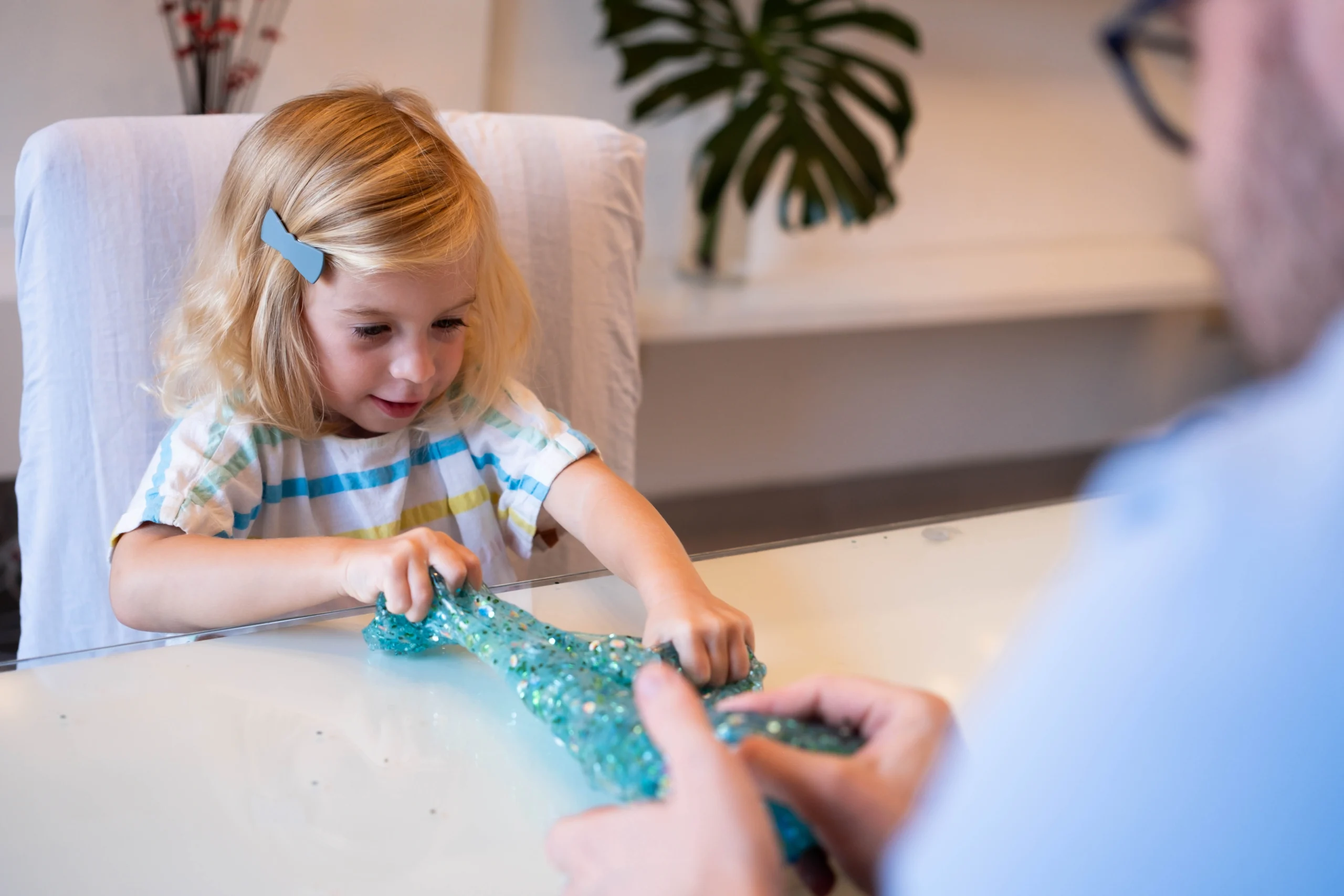
Most parents will find their child overwhelmed, restless or emotionally reactive without having any idea as to why. Very often, it is not a behavioral cause but sensory trauma or sensory assault of the senses. Early childhood development is closely tied with the way in which children learn to interact with their society by visual and sound perceptions, tactile ones, movements, and smell. A Child Development Specialist realizes that emotional regulation and learning is directly related to sensory input. The purpose of this blog is to address how sensual experience contributes to child development in the early stages, how this notion can promote the development of the child as a holistic being and how mindful parenting can be used to provide the child with a relaxing atmosphere based on simple activities of the toddler.
Early Developmental Sensory Experiences: What Are Sensory Experiences in Early Development?
Children take in and process information about their surroundings by way of sensory experience. These experiences influence the development of the brain, the emotional regulation and the learning patterns.
Sensory input includes:
- Touch (conditions, amount of pressure, heat, etc.)
- Divine dancers move and stand at ease (input vestibular)
- Sound (tone, volume, rhythm)
- Vision (color, movement, light, light projection)
- Smell and taste
A Child Development Specialist considers the sensory interaction to be the key to healthy neurological development particularly during the initial years.
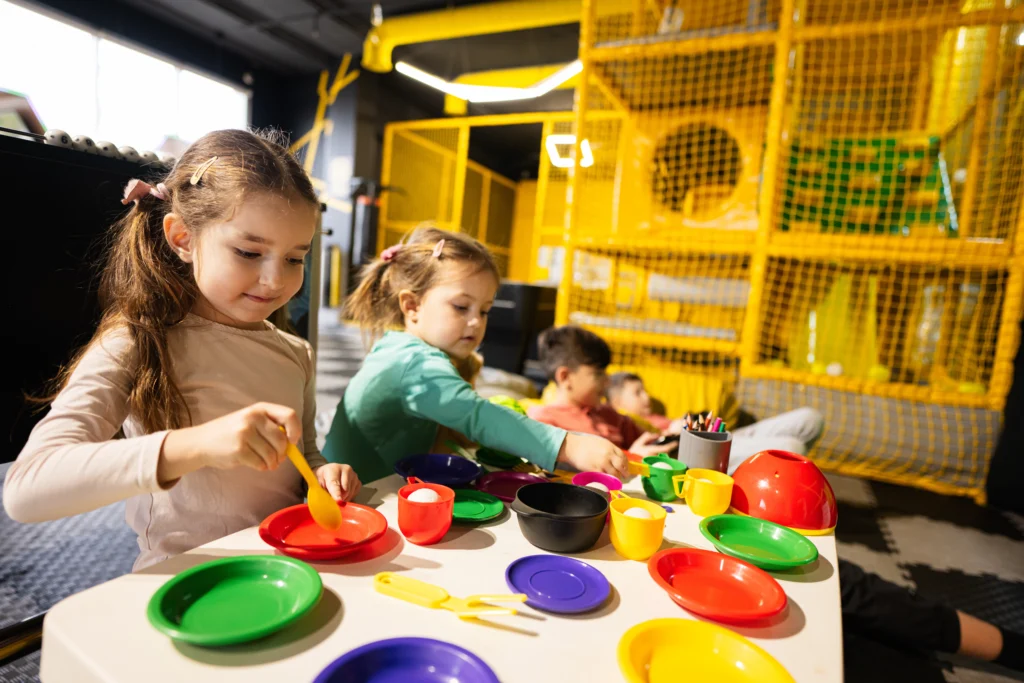
The Holistic Child Development Involves the Importance of Sense Experiences in Child Development
The senses are not secondary concepts that are added on board development.
Aids in Forming Affective Cocktails
Sensory balance makes children relax their nervous system and overcome large emotions.
Enhances Brain Development
Sensory stimulation enhances neural links which aid concentration, memorizing and learning.
Improves Focus and Behavior
Properly exposed children in terms of sensory input are in a position to focus and participate in their activities.
Develops a Body Awareness and Develops Confidence
Activities of movement of the toddler promote coordination, balance and self-trust.
Enhances Parental-Child Interaction
Emotional safety and trust are developed in mindful parenting in sensory play.
The advantages are significant to the Holistic Child Development process.
Central Elements of an Apartment With an Appealing Sensitive Space
Creating a relaxing atmosphere does not presuppose the use of costly tools. It involves willfulness and directness.
Key elements include:
- Light: decreasing strikingly bright or overstimulating light
- Procedural sounds: as much as possible, loud noises should be anticipated
- Such natural textures are fabrics, wood, sand, and water
- Moving skills: climbing, rocking and stretching space
- Serenity areas: rest and control areas
Before being stimulated, a Child Development Specialist will tend to suggest environments that facilitate regulation.
The Regulation With Support of the Sensory Experiences: Step-by-Step
A relaxed sensory atmosphere may be built up.
- Monitor the reaction of your child
Montage on the things that are soothing or stimulates them - Reduce sensory overload
Keep noises, clutters and screens to a minimum - Implement relaxing infant activities
Use such uses as water play, mild movement, or sensual bins - Stare down anticipated sensual tragedies
Give analogous senses experience on a daily basis - Stay emotionally present
Mindful parenting makes children experience feelings of safety
This is a process that promotes emotional stability and education.
Observable Problems and Errors
It is often mistaken that the more stimulation there is the better the development. Due to overload, stress and dysregulation may escalate. The other obstacle is not taking cartoon-level attention to the special sense requirements of a child and imitating standard activities. Other parents are overdependent on screens that overstimulate the nervous system. The answer is to monitor the child, to make the environment less complicated, to manipulate the sensory input on purpose.
Developmental Future Trends in Sensory Child Development
The art of child development is increasingly becoming sensorial.
Emerging trends include:
- Home and classroom music design Lake View High School Schuler Elementary School
- Outdoor activities towards nature
- Less screen time at the early ages
- Child development experts led, child-centered play therapies
External source: Harvard Center on the Developing Child – Harvard. Developing child
Internal source: Find out more about mindful parenting strategies – /resources/mindful-parenting
Desire to Make Your Child Be in a Safer Place?
Even minor alterations in the environment of a child can produce significant changes in the emotional regulation and behavior. Creating a sense thoughtful house contributes not only to tranquility but to concentration, concentration, and togetherness.
Conclusion
Nonverbal senses are significant at the early stages of development. Children are able to feel safe enough to control their environments, explore and be able to learn when the environments are relaxing and purposeful. A Child Development Specialist is aware that the development of a child requires balanced sense stimulation, but not continuous stimulation. Families can create the space that will sustain emotional wellbeing and development through conscious parenting and selection of activities that toddlers can engage in. Tranquil surroundings breed tranquil personalities and that is for life.
FAQs
What influence does use of sensory experiences have on the development of the brain in early stages?
At the early childhood stage, sensory input reinforces neural connections that facilitate emotional regulation, attention and learning.
Among child development specialists, what is the role towards sensory development?
Child Development Specialist assists in the discovery of sensory needs and provides suggestions of environments and activities that promote regulation and growth.
Is it necessary that toddlers have sensory activities?
Yes. Movement, touch, and sound activities during the toddler age assist in the development of the brain and emotional stability.
Is it possible to have excess sensual stimulation?
Yes. Overstimulation may cause stress, anxiety and behavioral problems particularly among young children.
What role does mindful parenting have in sensory regulation?
Present, observant and emotionally safe, mindful parenting is focused on the experience of exploration as kids acquire sensory experiences.