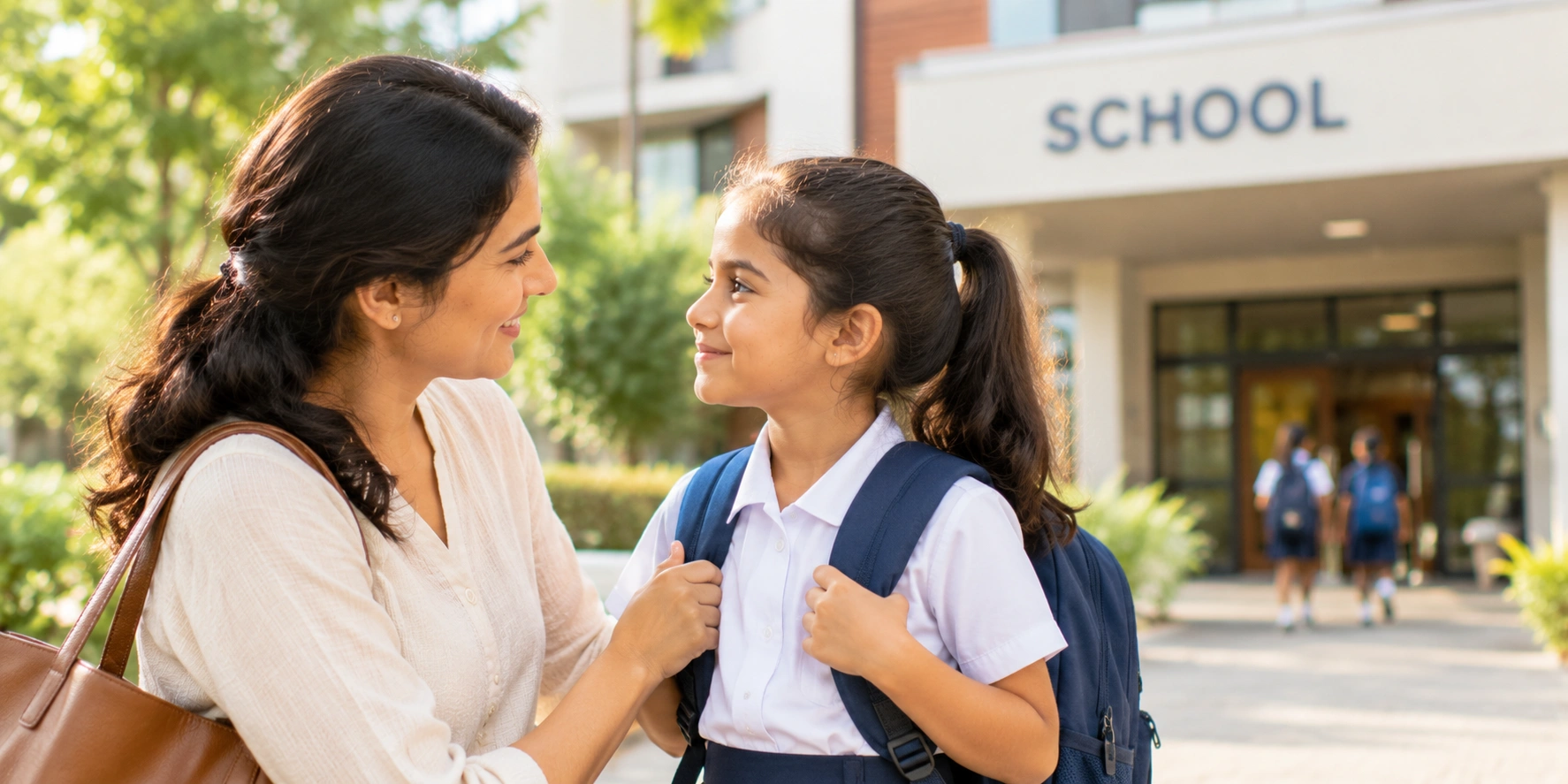


Every child faces challenges while growing up. From handling disappointment and making mistakes to managing friendships and adapting to change, childhood experiences shape how children respond to difficulties later in life. While parents cannot remove every challenge from their child’s path, they can help children develop the emotional skills needed to face challenges with confidence.
Emotional resilience in children is the ability to understand emotions, recover from setbacks, adapt to difficult situations, and continue moving forward. It does not mean children never feel sadness, frustration, or fear. Instead, resilience helps children recognize their emotions and develop healthy ways to cope with them.
Through conscious parenting, parents can create an environment where children feel supported while learning independence, problem-solving, and emotional strength.
What Is Emotional Resilience in Children?

Emotional resilience in children refers to their ability to manage emotional challenges and bounce back after difficult experiences. A resilient child understands that challenges are a natural part of life and believes they have the ability to handle them.
Resilience develops gradually through everyday experiences. When children are allowed to experience challenges while receiving appropriate support, they learn important life skills such as:
- Managing strong emotions
- Adapting to change
- Learning from mistakes
- Developing self-confidence
- Finding solutions to problems
Children are not born with complete emotional resilience. It develops through relationships, experiences, and guidance from caregivers.
Why Emotional Resilience Matters for Child Development
A child’s ability to handle challenges affects many areas of their development, including emotional well-being, relationships, learning, and decision-making.
Children with stronger emotional resilience are more likely to:
Develop Confidence
When children overcome challenges, they begin to trust their own abilities. Each small success teaches them that difficulties can be managed.
Handle Failure Positively
Resilient children understand that failure is not a reflection of their worth. They learn to view mistakes as opportunities for growth rather than reasons to give up.
Build Healthy Emotional Regulation
Resilience helps children identify emotions, express them appropriately, and respond thoughtfully instead of reacting impulsively.
Adapt to Change
Life constantly brings new experiences. Emotionally resilient children are better prepared to adjust to transitions such as changing schools, making new friends, or facing unfamiliar situations.
How Parents Can Build Emotional Resilience in Children
Parents play an important role in helping children develop emotional strength. The goal is not to solve every problem for children but to guide them while allowing them to develop their own coping skills.
1. Allow Children to Experience Challenges
It can be difficult for parents to watch their children struggle. However, protecting children from every challenge can limit opportunities to develop confidence.
Instead of immediately fixing a problem, parents can offer support by asking:
- “What do you think you can try next?”
- “How can we solve this together?”
- “What did you learn from this experience?”
This approach encourages problem-solving and independence.
2. Validate Feelings Before Offering Solutions
Children need to feel understood before they can learn from a situation. When parents acknowledge emotions, children feel supported and become more open to guidance.
For example, instead of saying, “Don’t worry, it is not a big deal,” parents can say, “I understand that this feels disappointing. Let’s talk about what happened.”
Emotional validation teaches children that their feelings are acceptable and manageable.
3. Teach Healthy Ways to Handle Difficult Emotions
Children need practical tools to manage stress, frustration, and disappointment.
Parents can encourage:
- Deep breathing exercises
- Talking about feelings
- Taking breaks when overwhelmed
- Creative activities like drawing or journaling
- Physical movement to release stress
These habits help children develop emotional awareness and self-regulation.
4. Encourage a Growth Mindset
Children who believe their abilities can improve through effort are more likely to approach challenges positively.
Parents can replace statements like:
“You are not good at this.”
with:
“You are still learning, and practice can help you improve.”
A growth mindset helps children see challenges as opportunities rather than obstacles.
The Role of Conscious Parenting in Building Resilience
Conscious parenting focuses on understanding the emotions, needs, and experiences behind a child’s behavior. Instead of only correcting actions, it encourages parents to build connection and awareness.
A parenting coach can help families understand how their responses influence a child’s emotional development. Through conscious parenting approaches, parents learn how to:
- Respond instead of react
- Understand the child’s perspective
- Create emotional connection
- Set healthy boundaries
- Support independence
A conscious parenting course can provide parents with practical tools to strengthen communication, emotional awareness, and trust within the parent-child relationship.
Common Parenting Mistakes That Can Affect Emotional Resilience
While every parent wants the best for their child, certain patterns may unintentionally make it harder for children to develop resilience.
Solving Every Problem Immediately
When parents always step in, children may miss opportunities to learn problem-solving skills.
Avoiding Difficult Conversations
Ignoring emotions or uncomfortable topics can teach children to suppress feelings instead of processing them.
Focusing Only on Results
When children receive approval only for achievements, they may develop a fear of failure. Appreciating effort and progress encourages confidence.
Comparing Children With Others
Comparisons can affect self-esteem. Each child develops skills at their own pace and needs individual support.
Real Life Scenario: Helping a Child Handle Failure
A child participates in a school competition but does not win. The child feels disappointed and says, “I am not good enough.”
A parent focused only on removing the disappointment might say, “You should not feel sad. You did your best.”
However, an emotionally supportive response would acknowledge the feeling first: “I can see that you are disappointed because you worked hard for this.”
The parent can then help the child reflect: “What did you enjoy about the experience? What would you like to improve next time?”
This approach helps the child process disappointment while learning that setbacks are part of growth.
What I Have Observed as a Parenting Coach
As a Parenting Coach, I have observed that many parents want their children to become confident but often try to protect them from every uncomfortable emotion.
Through my work with families, I have noticed that children develop stronger emotional resilience when parents shift from controlling outcomes to supporting emotional growth. When children are allowed to make mistakes in a safe environment, they become more confident in their ability to handle challenges.
I have also seen that small changes in everyday communication can create meaningful differences. A child who feels heard and supported becomes more willing to express emotions, ask for help, and face difficulties with greater confidence.
— Vedangi Brahmbhatt
Conclusion
I believe raising emotionally resilient children is about preparing them for life, not creating a life without challenges. Children need opportunities to experience difficulties while knowing they have a supportive foundation to return to.
Through conscious parenting, parents can help children understand emotions, learn from experiences, and develop confidence in their abilities. In my journey as a Parenting Coach, I have seen how emotional connection, patience, and mindful responses can help children grow into emotionally strong individuals.
When we support children with empathy and awareness, we give them the tools they need to navigate challenges with courage, confidence, and resilience.
If you’d like more personalised guidance, Vedangi Brahmbhatt’s Conscious Parenting Course offers practical strategies for creating routines that support calmer, more connected family life.
Frequently Asked Questions
Q1. What does emotional resilience mean in children?
A. Emotional resilience in children is the ability to manage emotions, recover from setbacks, adapt to challenges, and move forward with confidence.
Q2. How can parents help children become emotionally resilient?
A. Parents can build resilience by validating emotions, encouraging problem-solving, allowing healthy challenges, and providing consistent support.
Q3. What habits strengthen resilience in children?
A. Habits like expressing feelings, practicing mindfulness, learning from mistakes, developing problem-solving skills, and maintaining positive self-talk strengthen resilience.
Q4. How do setbacks help children develop confidence?
A. Setbacks teach children that mistakes are part of learning. Overcoming challenges helps them trust their abilities and develop confidence.
Q5. When should parents seek guidance from a parenting coach?
A. Parents can seek guidance from a parenting coach when they need support understanding their child’s emotions, improving communication, or building healthier parenting approaches.