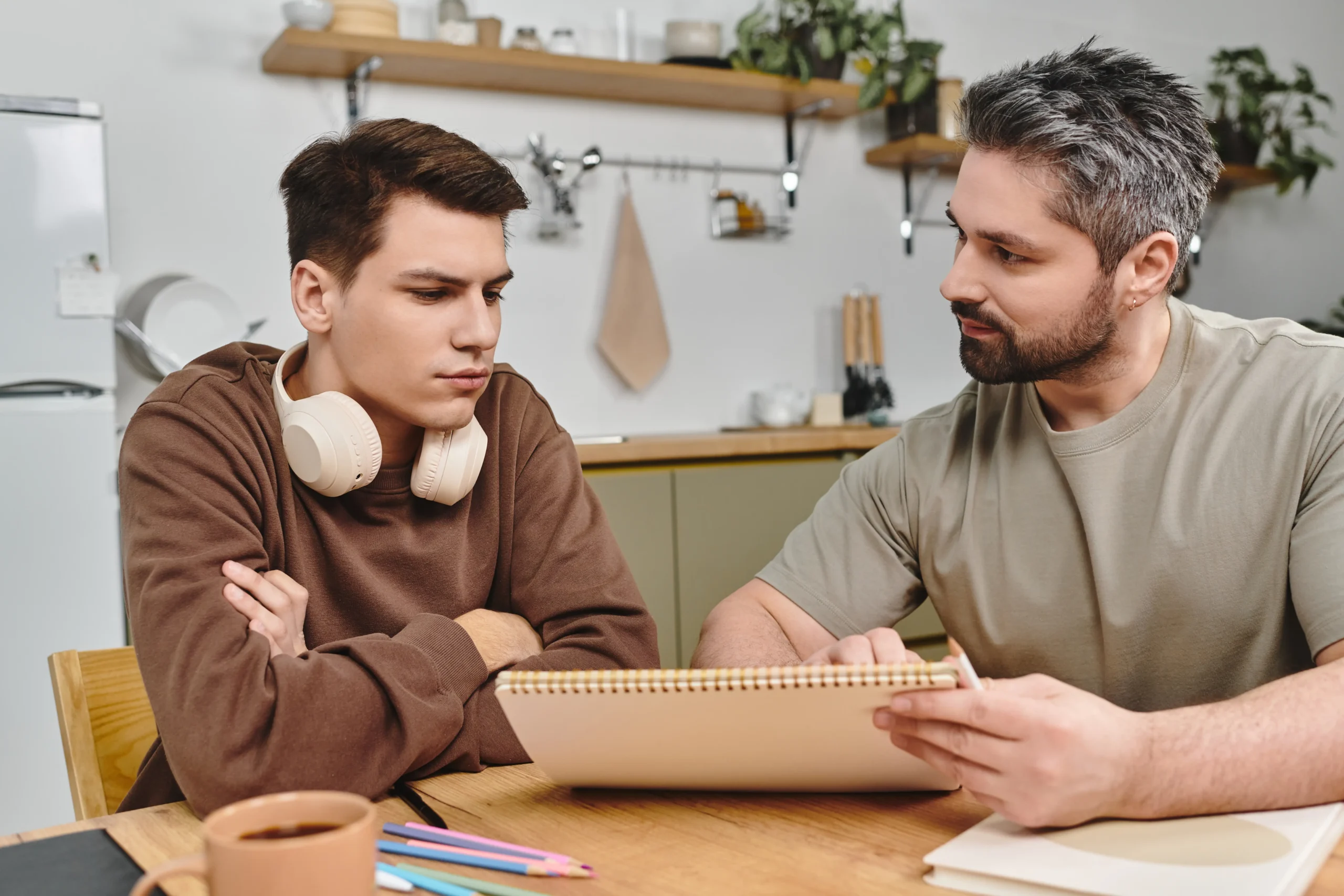


What would you do if your child came home from school unusually quiet, avoided talking about their day, or suddenly refused to attend school? As a parent, you might wonder whether something is wrong, whether you should intervene, or whether your child needs time to work things out independently.
Discovering that your child is being bullied can bring up fear, anger, sadness, and even helplessness. You want to protect them, but you may not know how to respond without making the situation more overwhelming.
The first step is to help your child feel safe, heard, and supported. Finding effective child bully solutions involves more than telling children to stand up for themselves. It requires understanding what is happening, taking appropriate protective action, and helping children rebuild their sense of confidence and emotional security.
Quick Answer: What Should Parents Do When Their Child Is Being Bullied?
When your child is being bullied, listen calmly, reassure them that they are not to blame, and ask gentle questions to understand what happened. Avoid dismissing their feelings, blaming them for the situation, or immediately confronting the other child without understanding the circumstances.
If the bullying is ongoing or involves threats, physical harm, harassment, or intimidation, contact the school and work with responsible adults to establish a clear safety plan. Document incidents when appropriate and follow up to ensure the behavior stops.
A conscious parenting approach combines emotional connection with practical action. Your child needs to know that you believe them, that they do not have to handle bullying alone, and that adults will take their safety seriously.
Key Takeaways
- Listen to your child without judgment and acknowledge their feelings.
- Make it clear that being bullied is not their fault.
- Investigate repeated incidents and communicate with the school when necessary.
- Teach assertive communication without expecting your child to solve bullying alone.
- Watch for changes in mood, behavior, sleep, or school attendance.
- Focus on restoring emotional safety and confidence rather than simply teaching your child to be tougher.
Understanding the Emotional Impact of Bullying
Bullying involves unwanted aggressive behavior, a real or perceived power imbalance, and repetition or the potential for repetition. It can be physical, verbal, relational, or conducted through digital platforms. Not every disagreement between children is bullying, but repeated intimidation, humiliation, or exclusion deserves attention.
A child dealing with a bully may experience confusion, embarrassment, loneliness, or fear of making the situation worse. Some children speak openly about what is happening, while others become withdrawn, irritable, or reluctant to discuss school.
Children may also remain silent because they worry that their parents will overreact, contact the other child’s family immediately, or take away their independence.
This is why a parent’s response to bullying matters. If children feel blamed or dismissed, they may become less willing to share future concerns. When they feel heard and protected, they have a stronger foundation from which to seek help and participate in decisions about what happens next.
The goal is not to make children responsible for stopping someone else’s harmful behavior. It is to help them feel supported while adults take appropriate steps to address the situation.
How to Respond When Your Child Tells You About Bullying
1. Listen Without Rushing to Fix the Situation
Your first reaction may be to ask who was involved, why it happened, and what your child did in response. These questions can be useful later, but beginning with an interrogation may make a distressed child feel overwhelmed.
Instead, create space for your child to speak at their own pace.
You might say:
- “I’m glad you told me.”
- “That sounds really upsetting.”
- “You don’t deserve to be treated that way.”
- “I’m here to help you figure out what happens next.”
Avoid questions such as “Why didn’t you fight back?” or “What did you do to make them angry?” These can unintentionally suggest that your child is responsible for the bullying.
Listen carefully, ask open-ended questions, and clarify what happened without pressuring your child to provide every detail immediately.
2. Assess the Situation and Prioritize Safety
Once your child feels heard, gently explore what has been happening. Ask whether the behavior has occurred before, where it takes place, whether anyone else witnessed it, and whether your child feels safe returning to that environment.
If there are injuries, threats, stalking, sexual harassment, serious intimidation, or immediate danger, prioritize protection and seek appropriate assistance without delay.
For school-related bullying, contact the teacher, school counselor, or designated administrator. Share specific details, including dates, locations, messages, and the names of witnesses when available. Ask what measures will be taken to protect your child and how progress will be communicated.
For cyberbullying, preserve relevant messages or screenshots, use platform reporting tools, and review privacy and blocking options. If the behavior includes credible threats or other potentially criminal conduct, seek appropriate local assistance.
Children should not be expected to manage serious or repeated bullying independently.
3. Help Your Child Practice Assertive Responses
When it is safe to do so, practicing simple responses can help children feel more prepared for uncomfortable interactions.
For example, a child who is repeatedly teased might practice saying, “Stop. I don’t like that,” and then moving toward a trusted adult.
You can role-play possible situations at home without making the exercise feel like a test. Ask your child which responses feel comfortable and realistic.
It is equally important to explain that walking away, staying near supportive peers, or seeking adult help are valid choices. A child does not have to confront a bully directly to demonstrate courage.
Assertiveness can help children communicate boundaries, but it does not guarantee that bullying will stop. Adults remain responsible for responding to harmful behavior and maintaining safe environments.
4. Rebuild Confidence Through Everyday Connection
Bullying can affect how children see themselves. They may begin to believe that something about their personality, appearance, interests, or abilities makes them deserving of mistreatment.
Help your child separate another person’s behavior from their own worth.
Continue making time for activities that bring them enjoyment, whether that means playing a favorite sport, spending time with a trusted friend, pursuing a creative interest, or enjoying relaxed family time.
Notice their strengths without making every conversation about bullying. You might say, “I appreciate how honestly you told me what happened,” or “You deserve friendships where people treat you with respect.”
If distress persists or begins affecting school attendance, sleep, eating, mood, or daily functioning, consider seeking support from a qualified mental health professional.
A Conscious Parenting Perspective: Connection Before Correction
Conscious parenting encourages parents to become aware of their emotional reactions while remaining responsive to their child’s needs.
When you discover that your child is being bullied, anger and the desire to act immediately are understandable. However, a highly emotional response can sometimes make a child feel responsible for managing their parent’s feelings, too.
Taking a moment to regulate yourself does not mean delaying necessary protection. It means approaching the situation with enough clarity to listen, assess risks, and make thoughtful decisions.
Connection, not control, means involving your child in age-appropriate conversations about next steps while taking responsibility for their safety. Ask what they are most worried about, explain the actions you plan to take, and consider their concerns about possible retaliation.
You may not be able to control how other children behave, but you can help your child experience home as a place where they are believed, respected, and supported.
7 Practical Child Bully Solutions Parents Can Start Using
- Create a regular opportunity to talk. Use relaxed moments, such as a walk or a shared activity, to make conversations easier.
- Reassure your child that they are not to blame. Make it clear that no disagreement or personal difference justifies bullying.
- Record repeated incidents. Keep a factual record of what happened, when it occurred, and who was involved. Save relevant digital evidence.
- Identify trusted adults. Help your child name a teacher, counselor, family member, or other responsible adult they can approach when they need help.
- Develop a safety plan. Discuss where your child can go, whom they can contact, and how they can seek help if another incident occurs.
- Stay in communication with the school. Ask for specific protective steps and arrange a follow-up to review whether the behavior has stopped.
- Monitor emotional well-being. Check in gently about how your child is feeling and seek professional support if distress continues or interferes with daily life.
A Common Misconception: Should I Teach My Child to Be Tougher?
Parents sometimes worry that intervening will make their children dependent on adults. Others believe that children must learn to defend themselves without help.
However, resilience does not mean tolerating mistreatment or managing every difficult situation alone.
Children can learn to set boundaries, solve age-appropriate problems, and ask for support while adults address bullying. These abilities complement one another.
Avoid telling your child to ignore everything, retaliate, or simply toughen up. Ignoring a minor provocation may sometimes be useful, but persistent bullying often requires adult involvement.
The right response depends on the child’s age, the nature of the behavior, the level of risk, and the support available. Your child should never have to prove their strength by remaining in an unsafe situation.
An Illustrative Family Scenario
Imagine that ten-year-old Aarav starts complaining of stomachaches before school. One evening, he tells his mother that a group of classmates has repeatedly mocked his appearance during lunch.
His mother feels angry and wants to confront the children immediately. Instead, she takes a breath and says, “I’m sorry this has been happening. Thank you for telling me. You don’t deserve to be treated this way.”
She asks Aarav what happened, whether he feels safe at school, and whether he is worried about the behavior continuing. Together, they identify a teacher he trusts.
His mother then contacts the school, shares the specific incidents, and asks about steps to prevent further harassment. She checks in with Aarav over the following days and encourages him to continue activities he enjoys.
This hypothetical scenario illustrates how emotional reassurance and practical intervention can work together. Aarav is not expected to solve the problem alone, and his mother does not dismiss his feelings or allow her anger to determine every next step.
What I Have Observed as a Parent-Child Relationship Coach
As a parent-child relationship coach, I believe that the way we respond when children share painful experiences can influence how comfortable they feel seeking support in the future.
When parents immediately give instructions, question a child’s decisions, or focus entirely on solving the problem, they may unintentionally miss the emotional experience underneath the story.
A child might need practical protection, but they may also need reassurance that they are not weak, that their feelings make sense, and that asking for help is acceptable.
I encourage parents to approach these conversations with empathy and curiosity while remaining prepared to take action. Listening does not replace intervention, and intervention does not replace emotional connection. Children benefit when both are present.
It is also important to remember that every child responds differently. Some speak openly, while others need more time or communicate distress through changes in behavior. Staying attentive without making assumptions can help parents recognize when additional support is needed.
Keep Safety and Connection at the Center
You do not need to have the perfect words when your child tells you about bullying. You need to communicate that they matter, that they are not alone, and that you will take their concerns seriously.
Start by listening without blame. Then assess the situation, involve the appropriate adults, and agree on practical next steps. Continue checking in even after the immediate incident has been addressed.
Helping Your Child Feel Safe, Heard, and Supported
Addressing bullying requires more than one conversation. Children need consistent reassurance, practical protection, and opportunities to rebuild their confidence.
If you are finding it difficult to navigate your child’s emotions, communicate effectively during challenging situations, or strengthen your parent-child connection, Vedangi Brahmbhatt’s conscious parenting guidance can help you explore supportive approaches tailored to your family’s needs.
Reach out to learn more about available coaching support and how you can work toward a more connected, emotionally supportive relationship with your child.
Frequently Asked Questions
Q1. What should I do first if my child is being bullied?
A. Listen calmly, reassure your child that the bullying is not their fault, and ask whether they feel safe. If the behavior is repeated or serious, contact the appropriate school staff or other responsible adults.
Q2. How can I help my child deal with a bully?
A. Help your child identify trusted adults, practice assertive communication when safe, and develop a plan for seeking help. Do not expect them to stop serious or persistent bullying on their own.
Q3. Should I contact the parents of the child who is bullying my child?
A. Start by contacting the school or the responsible organization when the bullying occurs in that setting. Direct contact with the other child’s parents may be appropriate in some circumstances, but avoid confrontations that could escalate the situation. Follow established reporting procedures and prioritize your child’s safety.
Q4. How can parents respond to bullying without making the situation worse?
A. Listen without blame, gather specific information, and explain what actions you plan to take. Involve appropriate adults, consider your child’s concerns about retaliation, and follow up to check whether the behavior has stopped.
Q5. When should I seek professional help for a child experiencing bullying?
A. Consider professional support if your child experiences persistent anxiety, sadness, withdrawal, sleep difficulties, school avoidance, or other changes that affect daily life. Seek immediate assistance if your child is in danger or expresses thoughts of self-harm.