

A mindfulness-based approach to emotional regulation.

The secret of healthy parenting and child development lies in emotional control. The peaceful way of manipulation of emotions that the parents are just teaching the children to do so as well. The modern world is full of stress and people are more inclined towards reacting to the same- however, mindfulness is the clue to avoiding a gap. Emotional awareness and Conscious parenting should also teach families to gain a sense of understanding, strength and peace at home. Parenting and Emotional Regulation What Is Emotional Regulation in Parenting? It is possible to define Emotional regulation as the capacity of the child to interpret, to be able to express and to be able to deal with emotions. It starts with its parents, who demonstrate how one needs to react to frustration, disappointment and stress. The grown-ups do not lose their composure and children learn the balance of composedness. Mindfulness helps the parents to be without judgement around the feelings. They do not respond and leave space by allotting time to reason on how to respond. That is a little disparity, which brings faith and emotional security at home. Mindfulness and its role in Emotional Development Process. The passions are fruitful educators. Children have been taught through a conscious thinking process that everything about the feeling is good, even the painful one. The children would have developed better in the Emotional intelligence in child development aspect as parents are not corrective and responsive. By listening to the child, the parent would make the children feel that this parent is aware of him or her rather than passing judgments on him or her. The relationship aids in the control of behaviour and strengthens communication. Research indicates that Benefits of mindful parenting for child development would result in self control improvement and reducing anxiety would be reduced between parents and children. The advantages of Mindful Parenting to Child Development. Child development does not occur in the family alone as the Benefits of mindful parenting for child development. They also educate children to become healthier in their relationship, more focused and are more stable in emotional maturity. How to Be Mindful and Self-Aware to Be a Parent. It is these enhanced parenting practices of Self-awareness exercises for better parenting that aid in changing stressful situations to connection and understanding situations. Doing Unconditional Love in Tough Times. The most scrupulous parent becomes frustrated. Practicing unconditional love in challenging parenting situations during trying times of parenting entails the ability to be emotionally at hand when one least anticipates being available. Love is not an agreement–it is guaranteed. They should promise the children about love and they should not be punished first when they are misbehaving. It is this constant, which makes their nervous system to relax and learning and empathy to substitute fear and guilt. This model will be internalised among children in the long-term because children will learn to express emotions in a safe way. Conclusion The parent and the child are changed in the responsible emotion management approach. By means of Conscious parenting, Self-awareness exercises for better parenting, and Emotional regulation kids, couples can learn to be tolerant and understanding of each other. All the pauses, breathing exercises and displays of compassion are the manifestations of emotional intelligence in life. Mindfulness is not perfection but rather a more aware house that is brought to a moving state resulting in a less tense connected home. Follow Vedandi Brhambhatt on Instagram and YouTube, for daily insights, mindful parenting tips, and expert guidance on raising emotionally balanced children. FAQs What is emotional regulation among children? The fact that children are able to distinguish, and capable of dealing with emotions, which they acquire as parental guidance is a question of tranquility and sanity. To what extent can mindfulness be applied in parenting? Consciousness and attendance caused a parent to act deliberately rather than acting impulsively in case of stress. The question is what are the self awareness steps that can enable him to become a better parent? These include mindful breathing, journalizing and reflection in order to be aware of emotional stimuli and balanced communication. How shall I get placed to be in such a position to love without conditions in a conflict? Before proceeding to tackle the matter of behaviour, remain calm, pay attention to your child and assure them that you love them since this will provide them with emotional stability.Why is emotional intelligence important in the development of children? It makes them tougher, caring and empathetic and these attributes help the children to conquer the challenges in life with some degree of confidence.
The Science of Connection: How Attunement Shapes a Child’s Brain
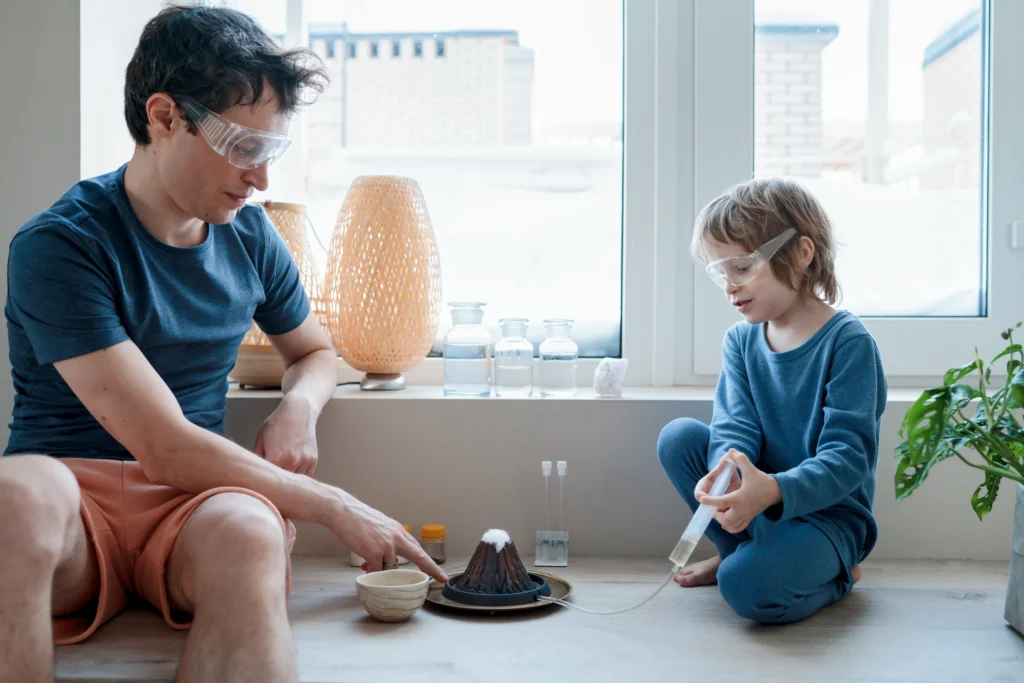
Any parent would wish for his /her child to feel that he/she loves him/her, is confident and safe. But there is something beyond affection, and this is the delicate emotional attachment, which is called attunement that impresses a lot on the growth of the brain of a child. A Child Development Specialist explains the sensitivity of parents towards kids so that neural processes can be triggered to process the emotional regulation, learning and empathy. It is during this process whereby the ground work of holistic development shall be made where the emotional and cognitive development thrives simultaneously. Meaning of Attunement as a Child Development Process? Attunement can be described as the capabilities of a parent to identify and respond to the emotional state of a child in a precise and friendly way. By replicating the manifestations, tone and requirements of your child, the emotion centres of the brain, predominantly the limbic system begin to associate security with human interconnection. This association is similar to a stabiliser in childhood. The child learns to deal with feelings, trust relationships. Children have a high level of stress response in their brain without attunement, and this translates to the inability to control feelings in their adulthood. The significance of Attunement in the Growing Wholeness. The emphasis of holistic parenting is made on the growth of the mind, body and emotion together. The most suitable one is Attunement as it integrates emotional intelligence in child development, social understanding, and resilience to everyday life. Emotional Safety: Sound emotional reaction strengthens the child with respect to feeling secure and being a part of the family. Cognitive Development: Secures are more specialised and even investigate more assuredly the establishment of wholesome neural connectivity. Social Intelligence: When children are made to feel that they are heard, they grow to be problem solvers, cooperative and emphatic. This is not done at perfection but at consciousness and presence. It is of small deliberate connections which are repeated daily. The Psychological Intelligence of Child Development. A lot of emotional intelligence in child development begins with children observing the way their parents demonstrate their emotions. When calming down in expressing feelings, the children are taught how to use emotional words and control. They understand that they need not fear anger, sadness, or frustration and they are all normal human emotions that can be directed safely. In the majority of situations when parents conduct attunement, they watch their children grow kinder and self-reliant. This supports the Child Autonomy Parenting in which the children learn to make decisions and resolve the problems and are conscious of being emotionally present. Positive Discipline of Toddlers Strategies. Punishments do not necessarily need to be detached. Positive discipline strategies for toddlers strengthen discipline without fear. The relation between this and attunement is the following: Wait to respond: Emotional control is through breathing in order to react to the misbehaviour. Pre-fixation on the check: Nursing sensitivity to a child (I can see that you are upset) prepares the stage to learning. Redirect: It is not necessary to punish, just offer this person a choice and turn the situation into a learning experience. Such responses enable children to identify discipline with growth as opposed to humiliation that is the foundation of perception and toughness. Connexion Building on the principle of daily responsiveness. Even simple behaviour is vital and makes one more sensitive to emotions looking at the child when she is playing, not talking, speaking with the same voice as your child. As time goes by, the brain learns such regularities where it comes to control emotions and have a relationship that can be counted upon. Attunement, in the situation of parents, is also related to self-awareness. The more you are less nervous, and the more you are balanced, the more your child will like it. This self control evolves to the invisible rope that provides the emotional and secure attachment in the world. Conclusion The process of holistic development occurs based on the science of connection known as attunement. When nurtured by parents in the presence rather than perfection, emotional intelligence, resilience, and trust are developed. Both Child Autonomy Parenting and Positive discipline strategies for toddlers, all the actions of conscious connection influences the forming brain. You are a conscious, loving, caring person and not only are you raising a child, you are raising a whole, emotionally intelligent person. Visit Vedandi Brahambhatt on Instagram and YouTube to read daily posts, tips on mindful parenthood and professional advice on how to bring up an emotionally balanced child. FAQs What is attunement as far as parenting is concerned?Attunement is the ability to recognise the emotional attentions of your child and respond to it and through this process creates trust and emotional assurance. How can emotional intelligence affect childhood development?It introduces children to feelings, builds empathy, is able to cope with the challenges without stress, which improves social and cognitive growth. What are among the parenting self awareness practices?Meditate and observe what occurs, document the distressing condition that you have experienced, or rethink the reaction that you have had towards the activities of your child. The question is what is the role of attunement in holistic development?It is a connection of emotional aspects, social aspects and intellectual growth, upon which a Holistic Child Development is based. Which are the effective behavioural discipline strategies when handling toddlers?Confirm emotions, softer refocus action, and practice unwavering responses to educate/train emotional control through connection.
The Rational Case of Conscious Parenting Not being Effective with Being Perfect.

The process of raising a child may resemble an unending chase of perfection. Parents in social media tend to scroll through idealised life and are pressured to meet unrealistic standards. Conscious parenting reverses that story. It diverts focus off the perfect performance and puts it into the here and now and the honesty of the moment. It does not encourage perfection; but, instead, it calls you to observe your emotions and what your child really requires. What Is Conscious Parenting? Conscious parenting refers to bringing up kids with conscious thought. It explains to parents to take time before making decisions and to be able to choose the kind of answer that is thought of and not one that is made out of reason. It is not that of obedience but the understanding of why a child acts in a certain manner. There is no need to command a child, it means being connected. Conscious awareness practices make parents aware that their responses determine the emotional environment of the family. They are in charge of themselves and their emotions, which makes them develop a safe, honoured, and valued house. The significance of Conscious Parenting. Children develop into secure, confident individuals when the feelings of the people are interpreted. Emotional intelligence, trust and resilience are all developed in Conscious parenting. It forms families in which children are able to express themselves without being afraid of being judged. Conscious parenting helps the families to remember that progress is better than perfection. The Conscious Parenting Techniques: The Home Implementation. Becoming an attentive parent is not something dramatic. It begins with little, intentional practices on a daily basis. Pause before you react. Breath when a child does something that you get activated by. That is the time to take it and react without haste. Speak with curiosity. Inquire about the feelings of your child rather than being quick to correct him. Use conscious discipline for parents. Discipline is a lesson, not some form of control. Establish regulations of respect and safety. Show self-awareness. By making an apology, you explain to the child that it is more about growth than being right. These habits also facilitate conscious co-parenting where both parties can share values, and constantly communicate even during a conflict. This togetherness makes children feel permanent and secure. This section represents How to implement conscious parenting techniques at home effectively through empathy, curiosity, and consistent practice. The Truth About Imperfection. Conscious parenting acknowledges that nobody is an ideal parent- that is alright. Both parent and child go through the learning cycle of which mistakes are part of the learning. Relinquishing perfection creates room to associate, empathise and be genuine. A mature parent understands that love is concerned with understanding and acceptance as opposed to control. The real indicators of this approach are being present, attentive and calm when the times are tough. Conclusion Being conscious with parenting is not what one should attain. It transforms self-criticism into sympathy and establishes healthier relationships in the family based on trust. Connection starts with consciousness and conscious transformation. Children learn that through learning rather than mastery. This is what Conscious parenting entails. Visit Vedandi Brahambhatt on Instagram and YouTube to read daily posts, tips on mindful parenthood and professional advice on how to bring up an emotionally balanced child. FAQs So what is the purpose of conscious parenting?It seeks to establish families that are emotionally sensitive wherein parents and children connect with each other in empathetic, trusted and efficient communication. What do you mean by the difference between conscious discipline of parents and traditional discipline?It is based on directions and knowledge and not punishment, which makes children responsible and sensitive emotionally. Does conscious co-parenting exist following separation?Yes. It promotes cooperation and emotional stability among children in the event of parents having separated. Which are the conscious parenting methods to be applied at home?Begin with little things: become a good listener, take time to speak to someone, and show emotions in their true form to demonstrate maturity. Can conscious parenting be applied at any age?Absolutely. It is useful to both young children and teenagers because it facilitates communication as well as emotional intelligence.
Explaining the neuroscience of attachment and how everyday presence rewires the brain.
The human brain is interrelated and therefore in early childhood. Every look, every word, every touch on part of a parent establishes the neural patterns of emotional intelligence and trust. Neuroscience has proven that the regular affectionate availability can even physically change the brain of a child to respond to stress, safety and relationships. This makes attachment not only an emotional concept, but a biological concept that lies in the core of the Holistic Child Development. Knowledge of Attachment With Neuroscience. The emotional linkage that forms between the child and its parent is referred to as attachment and arises as an outcome of day to day attention and empathy. When a child is calm, secure, and open, then the brain will generate serotonin and oxytocin which are the chemicals linked to serenity and joy. It is a supportive family environment that ensures that the limbic system which is the emotional and balancing of the child develops in stability and not in fear. Conversely, the unpredictable care activates processes of stress, which the brain learns to be awake rather than being in a relaxed state. This is the reason the presence in daily life is more important than each of the parenting acts. Children and EI: The Reason to Be Emotionally Intelligent. The process through which a child develops emotional intelligence in child development begins when the children see how their caregivers are handling emotions. Parents also display the skill to name and manage emotions by not responding reactively to their children. The more the parent thinks as the child does and ascertains it, the more are the neural pathways strengthened in the sphere of caring and self-awareness. This is a resilience formation of these minor and repetitive experiences. Emotional learning cannot be taught in the lessons, but experiences of lived interactions is the opportunity to receive and understand feelings. Empathy, Respect and Compassion in Parenting. Respectful parenting and Empathy and Compassion Parenting focus on the interpretation of the feeling that a child acts in the manner and do not punish them immediately. This will help the child to feel instead of being judged. Individual parents who act in a manner that makes use of empathy inculcate the same to kids. This helps in building empathy and compassion in young children resulting in creating emotional stability and greater sensitivity to the society. Difficult Times of Parenting Unconditional Love. True growth is made in difficult circumstances. Unconditional Love Parenting means that you have to be emotional even when you are frustrated with the child. This is what neuroscience demonstrates and helps in managing the amygdala of the child, which is the centre of the brain of fear, so that the child becomes less fearful and more trusting. The Practicing unconditional love in challenging parenting situations can include the unconditional love shown by the parents in the challenging situations of parenting by: This type of behaviour informs the brain of the child: love is not withheld in a time of stress. This, with time, reinstates emotional memory which is a lesson in security and not fear. Family Relationship and Day to Day Companionship. Small repetitive gestures of existence are beyond perfection. Activity in a group like meals, reading or a weekly Family Meeting helps children develop association of being attached with being safe. It is the mirror neurons of the brain that are involved in these instances and that the parent-child emotions are aligned. Teamwork and knowledge is generated through this spirit of togetherness. The formation of long-term wellbeing is built at the level of families that make a conscious slowdown and devote time to each other that forms the neural conditions. Trust happens to be the design of presence. Conclusion Attachment is not an event it is the science of day-to-day connection. Parents not only influence the emotional level but the brain also organises itself with the help of empathy, respect, and Unconditional Love Parenting. The process of developing the child holistically involves minute gestures of consistent love in order to establish neural interconnections and emotional security. Having that, parents do not just create a child, they create that child brain to learn to love, to trust and prosper as well. Visit Vedandi Brahambhatt on Instagram and YouTube to read daily posts, tips on mindful parenthood and professional advice on how to bring up an emotionally balanced child. FAQs What is the neuroscience behind attachment?The trust and the emotional intelligence in child development of the early childhood is enhanced because the parts of the brain involved in safety and regulation are triggered by the attachments. How does the presence affect the development process of a child?Connexion also assists in the construction of neural networks that govern emotions and the level of stress and improves wellbeing over the long run. What do we mean under respectful parenting?It is an approach technique that entails compassion, communication, and comprehension in a bid to make children feel that they are treasured and secure. How can children in families be empathised?In order to express empathy, involve in collective activities, listen and encourage open communication during Family Meeting and family interaction.Is unconditional parenting love relevant?Even during the conflict, stable love reforms the brain to enable it to adjust to the strength and trains children on the idea of being emotionally stable through Unconditional Love Parenting.
Addressing the myth of “doing it right” and embracing progress over perfection.

Contemporary parenting can be described as a trial. Parents compare with others, they make impossible ideals projected by the society, social media and even themselves. The reality is that we can never have an ideal parent. The real thing that is important is mindful parenting, the fact that one can remain present, self-aware, and empathetic when parenting a child. Once the pressure of doing things right is taken off, we create room to develop, bond, and be true in our relationships with our children. What Does Progress Over Perfection Have to Do with Parenting? Progress over perfection implies that parenting is not a perfect act, rather it is a lifelong process. Errors do not turn you into a bad parent, but humans are. Practising Parenting with Intentionality ensures that everything you do is not on autopilot. Rather than attempting to correct all the situations, be available, thoughtful, and receptive. This model establishes emotional security and trust as the children are shown that love is not about being perfect, but being present and being honest. The Self-Awareness in Parenting. Conscious growth as a parent is based on self-awareness. It enables you to be aware of what in your life excites your emotions, and in what way to respond, but not to react. You, with the help of the Self-Awareness Parenting, can detect any beliefs or patterns that have been inherited and have become outdated in your relationship with your child. Do some basic Self-awareness exercises for better parenting to become more parenting effective write in your journal after a bad day, stop yourself before you respond or talk about your feelings. Such practises will make you stay calm and in touch with yourself even during very overwhelming situations. Children acquire emotional intelligence when the parents demonstrate self-awareness. They learn to recognise feelings and fail to make mistakes in an empathetic way instead of a shameful way. Parenting With Perfection, Empathy and Compassion. Children do not need good parents, but sensitive ones. Empathy and Compassion Parenting makes you look past the behavior and the need or emotion behind it. As an example, a tantrum can no longer be disobedience, it can be a cry to comprehend. Once empathy is your new set point, your house is no longer a house of correction. Children grow in environments where they are comfortable to fail, express and learn. Disbusting the Myth of Doing It Right. The parenting myth is based on comparison and fear. Each child and family situation is different. What may work in one situation may not work in another situation. By concentrating on improvement, you end up being liberated from the phantasm of control. Parenting is no longer about showing but developing together. It is not about knowing it all but about being there when needed, despite the hard times. Every error will be a chance to build the resilience and emotional strength model. Conclusion The mothering process is not a performance, it is a relationship which is developed through presence and awareness. By adopting progress and not perfection, you will be opening the gateway to mindful parenting that is based on empathy, self-awareness, and compassion. Every day, you have an opportunity to be more Parenting with Intentionality and amuse Growth, not only your own but also your child. Stop being a perfectionist about doing it right and start the beautiful, ugly process of becoming a mindful parent. Visit Vedandi Brahambhatt on Instagram and YouTube to read daily posts, tips on mindful parenthood and professional advice on how to bring up an emotionally balanced child. FAQs What is mindful parenting? It is the habit of being available, attentive and non judgmental when dealing with your child and not trying to control his emotions, but to understand. What is the purpose of self-awareness among parents? It assists parents to identify patterns of emotions and react in a calm manner to improve communication and emotional stability in the house. What are low-level self-awareness activities towards effective parenting?Attempt to spend time journaling every day, take time to react and ponder on the emotional triggers after a difficult episode with your child. A description of Parenting with Intentionality?It is being intentional and conscious about raising children rather than an automatic reaction.What will be the effects of empathy on parenting?Empathy enables you to feel what your child is feeling and this enhances trust and an emotional secure environment is formed.
Parenting an Anxious Child: Conscious Strategies for Support

Rearing a nervous child is difficult and more so when a child is filled with worry and fear about daily life occurrences. The feeling of anxiety among children is becoming a widely accepted phenomenon that should be understood, empathized with, and addressed with sound solutions. To those families in the USA who are going through this process, having a mindful approach to the process will turn challenges into a growth opportunity. Vedangi Brahmbhatt is an established child development expert, who assists parents in their quest to be the responsible parent by creating empathy, clear communication, and order in their family life. This blog provides practical and heart-based ideas on how to support and empower your anxious child and achieve family harmony. 1. Create a Safe and Predictable Environment with Routine and Toddler Activities Anxious children perform well in situations where they are familiar with them. Creating routine schedules and foreseeable activities with toddlers, can also decrease instability that causes anxiety. Regular meal times, play and rest create a comforting rhythm of structured days. Provide areas of silence where children may escape when they are overwhelmed. Such little forms of predictability give the foundation to emotional stability and also assist in raising emotional control children require. 2. Practice Nonviolent Communication and Active Listening Parenting Fearsome children do not feel visible or comprehended. Nonviolent communication should assist parents to convey understanding without judging them and allowing the children to feel safe to share their fears. This connection is further enhanced by active listening parenting wherein parents do not ignore feelings. The use of family meetings provides a platform where there can be unrestricted discussions and shared problem-solving. Through these practices children also learn to express themselves and this is important in dealing with anxiety and gaining self confidence. 3. Integrate Mindful Parenting and Positive Discipline Strategies Mindful parenting will enable the parents to be attentive and responsive without falling into anxiety traps. The use of modeling calmness allows children to learn how to control themselves. Positive discipline strategies, like rewarding the effort and cooperation of toddlers, instill the feeling of accomplishment instead of shame and fear. Cultivating the holistic development of the child implies a balance between cognitive, emotional and social development with the care – such as in creative play, movement or art that is attuned to the principles of mindful, conscious parenting. Conclusion: Empower Your Anxious Child with Conscious Compassion To bring up an anxious child, a person needs to be patient, alert and implement enlightened methods that lead to recovery and development. Reflective practices, interaction and conscious punishment make children self-reliant and bond family members. The customized counseling provided by Vedangi Brahmbhatt provides special advice to overcome anxiety with love and professionalism. Do not forget to subscribe to us on Instagram, and YouTube to be informed of useful information and parenting tips. Here is the tip: Do mindfulness exercises with each other at the same time every day, such as deep breathing or visualizing, to establish the state of calmness and connectedness. To see our recent press releases as well as the news, visit our recent press releases. Visit vedangibrahmbhatt.com for courses, books, and consultations to support your mindful parenting journey with love and expertise.
Conscious Co-Parenting After Divorce or Separation

Introduction Divorce or separation is normally one of the hardest transitions in life that causes emotional turmoil and shifts among all members of the family. It is understandable that parents would be concerned about the effect on the children. However, with a deliberate co-parenting, you can develop stability, empathy and resilience- and the well-being of your child has to be the priority. The road can be varying in every family, however in Vedangi Brahmbhatt, we provide parents throughout the USA with time tested, understanding approaches in the peaceful post-divorce parenting. 1. Prioritize Nonviolent Communication and Active Listening The relationship that a co-parenting relationship can be built on is that of nonviolent communication. Despite the separation, it is still possible to communicate with your co-parent in a sensible way before placing the respect and needs of your child first. Active listening parenting leads to improved tension-free communication between both adults and children as well as understanding of each other. Family meetings (meetings even when parents live in different houses) are among the supports, which permit the open communication possibilities and enable children to share their emotions regarding transitions. The exchange of information regarding school, everyday life and even the activities of toddlers makes sure that the children feel secure and assisted regardless of their location. 2. Support Emotional Regulation for Kids and Adults In case of divorce, children usually have problems with depressive and happy moods. As the conscious parent it is good to make kids learn the necessary emotional regulation kids require not only with words, but also with serenity in energy and stable routine. Security and confidence are developed through mindful transitions between homes, justification of how children feel and predictability in the discipline such as positive discipline (instead of punishment) with toddlers. Self-care and emotional regulation are also important when it comes to adults. Use the work of professional resources and best parenting books as a tool and validation. In some cases, consulting a child development expert would be helpful in offering specific assistance to special family situations. 3. Foster Holistic Child Development with Consistency and Collaboration The healthy post-divorce families are dedicated to the process of full child development, not merely emotional, but cognitive, social, and physical. Regular anticipations on either side (such as how to use screen time, eat, and sleep) reduces the ambiguity in children. In states like Conscious Co-Parenting NJ, the success of co-parents has been achieved through the reduction of differences in routines, rules, and even holiday routines. Exchanging materials about the methods of co-parenting that can be adopted at home and frequent visits between parents can facilitate the difficulties and establish mutual trust. Conclusion: Divorce is a chapter, and not the story. Through caring, dialogue, and mindfulness, one can establish a base of happiness, recovery, and development by the co-parenting process. When children grow up with love, predictability and the consistent availability of parents who are concerned with them, they thrive. Vedangi Brahmbhatt has specialized consultations which enable families to flourish post transition. Also, keep in mind to follow us on Instagram, and YouTube in order to get continuing tips and resilience stories. Hint: Tally a co-parenting journal- exchange notable ideas, times and experiences between homes to make the life of your child as smooth as possible. To see our most recent press releases, please visit the following address:To learn more and start your healing co-parenting journey, visit vedangibrahmbhatt.com and explore our resources, courses, and consultation services.
Raising a Highly Sensitive Child: What You Need to Know

Introduction Rearing a highly sensitive child is a special and fulfilling experience that is accompanied with its pleasures and struggles. Such children have a strong sense of empathy, high level of intuition and heightened sensitivity and therefore they are more sensitive to the environment they are in, but are also prone to overwhelm. Since you are the conscious parent, it is important to be aware of the sensibilities of your child and apply nurturing principles to grow and acquire strength in the fast-paced world. Under the direction of Vedangi Brahmbhatt, an expert child development expert, this blog provides insights to the USA family in need of knowing, supporting, and empowering their highly sensitive child through practical and empathetic tools. 1. Recognize Sensitivity as a Strength, Not a Weakness Highly sensitive children are usually not understood, especially in a place where emotional expression is not appreciated. Such children can be very sensitive to sensory activities (such as loudness or rough clothes), the alteration of routines, or even slight change in the dynamics of the family. Mindful parenting proposes that we embrace these qualities instead of suppressing them. Thanks to proper toddler activities, taking into consideration sensory preferences and emotional comfort (gentle play, quiet time, art, walks in nature), parents can make sensitive kids prosper. 2. Use Nonviolent Communication and Positive Discipline Sensitive children require discipline–not by inflicting severe punishments on them or yelling at them. Nonviolent communication is a technique that is centered on empathy, validation, and direction of behavior using soft boundaries. The positive discipline practices with the toddlers, including the ability to provide clear options and kind of reminders, can develop confidence instead of fear. Family meetings when all family members are free to show their emotions are a great practice of active listening parenting and conflict resolution. Hearing and understanding the sensitive children will help them gain strong emotion regulation ability. 3. Foster Holistic Child Development and Conscious Co-Parenting Rearing a highly sensitive child requires taking care of his/her mind, body and spirit. This demands a comprehensive approach to child development, including creative, physical and reflective activities, making environments feel secure, and allowing the child to have time off. There must be conscious co-parenting particularly in families where the people may react differently to sensitivity. Establishing regular habits, exchanging materials such as the most effective parenting books, and discussing the strategies on how to apply the techniques of conscious parenting at home openly will get both parents on the same page. Conclusion: It can be most rewarding to bring up a very sensitive child. These children flourish in a safe haven which is formed by compassion, mindfulness and routine. Individualized understanding and assistance may guide the parents to customize solutions to special challenges, which leads to the sense of security and strength in later life. To get professional assistance and materials, look at the consultations and courses created by Vedangi Brahmbhatt and aimed at conscious families. You should not forget to follow us on Instagram, and YouTube to receive updates, professional advice, and parenting inspirations. Hint: Do sensory check-ins- ask your child what it feels like to their bodies in experiences or whereabouts. Such frequent feedback assists in developing trust and understanding. To see the current news and updates, visit our recent press releases. Visit vedangibrahmbhatt.com for more resources, courses, and expert consultations—helping sensitive children flourish in every family.
Gentle Parenting vs. Conscious Parenting: What’s the Difference?
Introduction The paradigm of parenting has evolved greatly with families in search of models that are not just behavior oriented but those that are deeply concerned with the inner worlds of children that are involved with the emotional growth of such children. Gentle parenting and conscious parenting is one of the most discussed nowadays. It is necessary that parents in the USA are aware of the distinction between these philosophies to be able to make a decision that matches their values and needs of their child. I assist families in acquiring the knowledge and the resources necessary to support interconnected parenting in the present modern era at Vedangi Brahmbhatt with my backgrounds as a specialist in child development. Traced in this blog, I unfold each of these styles, how either has some special advantages, plus how either can come to the rescue of your family, in the daily toddler play, as well as in the difficult emotional situations. 1. The Foundation: What Sets Gentle and Conscious Parenting Apart? Kindness, respect, and empathy are the key elements of any interaction between a parent and his or her child, which is the foundation of gentle parenting. It is concerned with non-punitive discipline, empathy and encountering the children at the level they are feeling. When parents use the style, they are likely to revert to positive discipline with toddlers that are not based on shame/fear but on teaching rather than correcting. The conscious parent on the other hand is a self-conscious being, and an intended being. Conscious parenting can be defined as the act of sensitizing to triggers or emotional pattern and experience in order to respond rather than react to a child. It often incorporates practices like attentive parenting, daily self-reflection, and living in the moment to help the families to interrupt negative patterns and heal together. 2. Communication and Emotional Growth The two methods consider the significance of a non-violent communication and verify it in daily non-disrespectful conversations. Conscious parenting however, takes a step further to ask the parents to look into the nature of their emotional response. Active listening parenting is a strategy that helps a conscious parent not only to validate his or her child but also to be attentive to his or her own feelings and past damages that can be aroused. The two methods promote family gatherings to generate collaboration, trust and problem solving competence. These meetings are also being connected to the families where each individual is always welcomed to be open and engage in the working process of creating the family agreements and conflict resolution. 3. Holistic Child Development and the Role of Co-Parenting Gentle parenting and conscious parenting are differentiated such that both are committed to the holistic growth of the child such as emotional, cognitive and social growth. However, conscious parenting is particularly brilliant when it comes to the long-term outcomes, both in terms of generation. Through openness and mutual healing, the whole family system turns into a strong and healthy one. Conscious co-parenting enables the families to become united in values, emotional intelligence and teamwork in all parenting activities as well as regularities. These strategies can be easily incorporated into the routine, day-to-day life of toddler, as well as challenging transitions. The result? Children who grow with emotional self-control, confidence and inner security. Conclusion: Choosing the Right Path for Your Family It is true that the principles of gentle parenting and conscious parenting are similar, however, self-awareness and healing are the crucial distinction. Gentle parenting focuses on the child’s present experience, while conscious parenting encourages parents to reflect and grow continually. Together, they create a family culture of lifelong learning and empathy. My products and services are personal consultative work and materials offered to families seeking to further develop their parenting practice with the help of a professional. Get inspired, learn parenting tips, and stay updated on the latest mindful family living news. Follow me on Instagram, and YouTube. A little tip of mine here: you must begin small, it means for you to think of a single thoughtful moment a day and be attentive to your responses and how your parent child relationship starts to change. In order to see our recent press releases, visit the following page. We believe that empowered parenting at Vedangi Brahmbhatt is based on informed choices. You can access mindful and conscious education, books, and personalized guidance on your conscious journey by visiting vedangibrahmbhatt.com. Gentle Parenting vs. Conscious Parenting: What Is the Difference?
The Connection Between Mindfulness and Peaceful Parenting

Introduction The present-day parenting of the modern world may be overwhelming, especially in the course of meeting the daily chores, emotional control, and meeting the needs of a child. Peaceful parenting does not mean finding some quick fixes to our issues- it is a journey of building a mental existence in our minds and in our families. Mindfulness as the conscious parent learns is the secret of responding and not reacting to difficult times and creating a place of safety, empathy and respect. Being a well-established child development professional who provides my services to families in the USA, I would support the benefits of mindful parenting as life-changing. As a part of this blog, I will discuss how the secret to harmonious relationships, healthy children, and family harmony is mindfulness. 1. Mindful Parenting Enhances Emotional Regulation Kids Need One of the most noticeable consequences of mindfulness is that it may help control the emotions of a person, not only in the parents but in children as well. Self-reflection and sleep are ways of daily life that can allow parents to address stressful toddler behavior in a non-stressed fashion. Children grow well in harmonious families where giant emotions are handled with patience, insight and instruction. Mindfulness also increases the ability of a parent to implement positive techniques of punishing toddlers- creating pleasant boundaries that instruct, rather than reprimand. Such thoughtful approaches yield sense of security, and confidence over time and this allows children to be emotionally street smart throughout their lives. 2. Family Meetings and Active Listening Parenting Promote Connection Mindfulness of parenting will start by being a full presence- listener; listening and affirming the voice of every group member. The connection of this nature is offered due to frequent family meetings. These meetings facilitate the free dialogue of emotions, difficulties and rules even on an informal level. Parenting at home through active listening enables parents to exhibit empathy and respect, a factor that reduces conflict and leads to increased trust. Listening actively assists the children to share and strengthen self-esteem and instills discipline as a team effort rather than a contention. 3. Holistic Child Development Is Fueled by Mindfulness Whole child development and mindfulness are similar. Peaceful parenting is not merely a behavior, as it builds all of the child developmental facets, such as emotional, cognitive, social, and moral. Parents should choose toddler activities that facilitate mindful engagement (outdoor play, meditation, or storytelling) to help children develop curiosity and compassion. Besides, parents can apply mindfulness to strengthen conscious co-parenting, increasing awareness of partnership, communication, and shared goals for the family’s well-being. It is a unified practice, which keeps the stress level under control, since there is harmony in life above individual interaction. Conclusion: Unlock Peaceful Parenting Through Mindfulness Mindfulness is not an objective but a habit that you practice on a daily basis and this transforms the parental experience. The awakening of awareness and emotional control and bonding will allow the parents the keys of peaceful parenting to every member of the family. One of the ways to start practicing these conscious steps is to research my expert resources, consultations, and courses aimed at helping every modern family on its mindful path. Don’t forget to follow me on Instagram, and YouTube. for motivation and practical parenting tips. Hack: Have a conscious morning every morning- inhale two times and make a purpose- take about a calm, interrelating day. You can find our recent news and updates in the latest press releases. My project, Vedangi Brahmbhatt, helps modern families discover peace through mindfulness. Explore my courses, books, and personalized service to your mindful parenting process visit vedangibrahmbhatt.com.