

Screen Time for Kids: How Much Is Too Much?

Your three-year-old hands you the iPad. Again. It’s 4:47 PM and dinner hasn’t started and you have one work email left and the screen is right there and you know what happens next. You hand it over. That moment is the whole conversation. Not the number of hours. Not the apps. The moment you hand it over and feel just a little worse than you did five minutes earlier. If that feeling is happening more often than it used to, your kid’s screen time is probably too much. Not because of a rule. Because of what your gut is telling you. Thus, this guide offers practical parenting tips on screen time, written by a conscious parenting coach where patterns, approach & solutions will give you the way to deal with your kid. What “Too Much” Actually Looks Like Forget the hour count for a second. The real signal is behavior. If your kid melts down when the screen turns off, that is too much. If your kid stops playing pretend and only wants screens, that is too much. If your child’s vocabulary, sleep, or ability to focus has noticeably changed over the last six months, that is too much. The clinical guidance does exist. The American Academy of Pediatrics broadly suggests: The guidelines provide a helpful starting point, but your child’s behaviour is the clearest indicator of whether screen time is working for your family. Both deserve attention. Why Screen Time Hits Differently for Different Kids Not every kid responds to screens the same way. Two children, same household, same hours, and one is fine and one is dysregulated for three hours after. The difference is temperament, plus how the screen is being used. 1. Sensory sensitivity. Kids with greater sensory sensitivity often crash hard after fast-paced shows or bright animation 2. Content type. Algorithm-driven short-form (TikTok-style, autoplay YouTube) tends to be more stimulating and may encourage repeated viewing through rapid rewards and autoplay. 3. Co-viewing vs solo. A parent watching alongside changes the experience completely. Solo, headphones-on screen time can become deeply absorbing, making transitions more difficult. So the same hour can be wildly different. A parent and a kid watching Bluey together and laughing at the same bits, that is a connected hour. A kid alone on autoplay YouTube Shorts for the same hour, that is something else. The Conscious Parenting Frame on Screens Conscious parenting is not anti-screen. It is an anti-reaction. You make screen decisions with intention, not with guilt and not with panic. Three principles that hold up: 1. Decide the screen rules when nobody is asking for screens. Late in the morning might be the time to set the rule. Not 4:47 PM with a meltdown brewing. 2. The rule applies to you too. A parent using their phone next to their child is teaching the same lesson the kid would learn from a screen. Modeling beats lecturing every time. 3. Replace the screen with something specific. “Less screens” does not work as an instruction to a four-year-old. Replacement is more powerful than removal. What to Do When It Is Already Too Much Most parents who land on this page already suspect they are over the line. The good news is that many families notice meaningful improvements within two to three weeks when they stay consistent. 1. Audit the actual baseline. Track screen hours for three days. Honestly. The number will be higher than your guess. 2. Tell your child what is changing and why. Even a four-year-old can understand: “We’re going to use screens a little less. It might feel difficult for a few days, and that’s okay. We’ll get through it together. I love you.” 3. Replace the highest-use slot with something physical or social. If the afternoon is the screen slot, that is the slot to fill with a park visit, a friend visit, a craft project, or even just outdoor time. 4. Hold the line for the cranky days. Days 2 through 5 are the worst. The meltdowns are real. In many cases, the screens were masking underlying frustration or difficulty with transitions. 5. Re-set the rule at the new lower level. For many families, within two weeks the new routine starts to feel more natural. Kids are more adaptable than parents give them credit for, when the parent is consistent. The hardest part is not the kid. It is the parent. We use screens as our break, and the reset costs us our break too. That is real. Five Common Screen Time Mistakes I See in My Practice 1. Using screens as the only off-switch. When every overwhelm gets screen time, kids never learn other regulation tools. 2. Background TV all day. Even when the kid is not “watching,” the constant audio and visual input can interrupt play, language development, and family connection. 3. Phones at meals. Family meals are one of the strongest connection rituals in childhood. Phones at the table dilute it across years of small dinners. 4. Negotiating screen time in real time. “Five more minutes” turns into thirty. The rule has to be pre-set so the moment of asking is not the moment of deciding. 5. Guilt-driven reactions. A parent who feels guilty about yesterday’s three hours often overcorrects today with zero, then breaks by 4 PM. Sustainable beats perfect, every time. If you recognise three or more of these, you have not failed. You are in the most common parenting moment of this decade. The fix is calmer than you think. Age-Banded Quick Reference Age Recommended daily limit What works What does not 0-18 months None except video chat physical contact, talking, music Background TV, solo screens 18-24 months Limited co-viewed High-quality slow shows, parent narrating Algorithm-driven content, autoplay 2-5 years Up to 1 hour Familiar show, co-viewed, predictable YouTube Shorts, TikTok, unfamiliar app 6-9 years Individual limits agreed upon by the family. Pre-decided slot, varied content, family viewing Hidden devices, unrestricted access 10+ years Family-agreed limits Conversations about content, gradual autonomy Bedroom
How to Handle Toddler Tantrums Without Yelling – A Step-by-Step Guide

You go to the store with your 3 year old child, and he wants a toy. You say no and all of a sudden they’re on the floor, screaming, crying, throwing themselves around. Everyone’s staring. Your face is hot. You want to yell. But you don’t. Rather, you inhale. You crouch down. You stay calm. In no time at all, the storm disappears. This isn’t magic. It is knowing what tantrums are and how to stop tantrums by being calm, rather than chaotic, when dealing with them. What’s Actually Happening During a Tantrum A tantrum is NOT manipulation or misbehaviour. Your kid’s nervous system is overloaded. Their front part of the brain (thinking part) doesn’t function properly. Amygdala (Alarm System) is yelling. For the time being, they simply cannot listen to your rationale. How they feel: Does it feel as though you are here with me? Am I safe? Are you able to deal with this? You say: Yes, you’re safe, because you are calm. Yes, I’m able to take care of this. I’m here. This parenting guide offers parents step-by-step techniques to help them handle their child’s tantrums without yelling. Step-by-Step Guide to Handling Tantrums Without Yelling STEP 1: Take a Pause of Your Own Reaction (15 seconds) As soon as you notice you are getting angry: You have to regulate in order for your child to regulate. STEP 2: Check Safety First off: Has your child been harmed? Are there hazards? Gently move them away from furniture if they are flapping about in danger. Safety, judgement free! STEP 3: Let go of the past and the future (don’t forget them) This is crucial. It is not necessary that your child understand logic at this time. They need YOU. Sit nearby. Stay calm. Keep to a minimum on talking. You are the comforting word: “I’m here. You’re safe. This will pass. STEP 4: Provide Physical Comfort (if desired) Some children are seeking to be carried. Some require a bit of space, but not a lot. Go with the flow of your child. In the event of their wishing to be detained: No need to say a word – your body is relaxed doing all the work. If they want space: STEP 5: No talking (negotiating) or explaining during the tantrum Right now is not the time for logic. They can’t hear it. Don’t say: These give rise to feelings and shame. STEP 6: Storm passes (usually 5-15 minutes) Toddler tantrums will usually pass. Of course, your child will settle down when his/her nervous system gets back to normal. You will know you are successful when you see: reduced crying, breathing rate decreases, they start to focus again. Calm – Connect (not correct). Once they’re calm: NOT: “You don’t listen, you see what happens? (This is shaming.) Correct and then Teach Later (After Connection). Scripts to Use During Tantrums When they’re overwhelmed: If they are requesting something you have said ‘no’ to: While they are kicking/throwing objects: Once they have calmed down: If this is the case, you can then explain that you don’t have to (so the answer is no). Why Yelling Makes It Worse When you yell: When you stay calm: What If You Do Yell? (You’re Human) You can find the times when you yell. That’s normal. Repair later: I was yelling at you and that was not ok, I was frustrated, it’s my job to manage and I’m sorry. Can we hug?” This brings the message: Things go wrong, they can be fixed, and relationships matter. Key Takeaway: Toddler tantrums are not behaviours to be punished. They’re too much on overwrought nerves to cope with. The most important is you, you are in control, the most important, more important than any discipline technique you are, you are here, presence is non-threatening, calm. Your toddler will learn to regulate quicker as you go through your efforts to keep him calm during tantrums. The more comfortable you will feel in your home. These toddler tantrums solutions help parents understand emotions better while learning how to stop tantrums without fear, shame, or yelling. Follow us on Instagram and YouTube, for ongoing insights into conscious parenting and emotional development.
What Is Conscious Parenting? A Complete Guide for Parents

Conscious Parenting: A Simple Definition So what is Conscious Parenting? The parent guide to the full Prep-Year 4 curriculum. It’s an early-morning commute. Your 6 year old will not help with getting dressed. The first thing you think to do is shout. However, you’re held back by something. Take a pause. Breathe. Then get down to their level and ask, ‘What is making this difficult for you today?’ This little pause, this little wondering, this little not controlling, this little not knowing, this little connection is the art of conscious parenting. Well, what is it? How is it different than the approach you were taken? A simple definition of conscious parenting. Parenting with awareness and intention is Conscious Parenting. It’s about: It is a matter of not being perfect. It’s about the here and now. What Conscious Parenting IS NOT So before we dive deeper, let’s first understand that conscious parenting is not (as there’s a lot of confusion): It is NOT permissive: “Do anything you like, I’m not going to stop you. Boundaries are certainly a part of conscious parenting! You say no, you have your limits. However, you do it with empathy and explanation. It is NOT gentle parenting lite: Gentle parenting is frequently lacking in any kind of firmness. Conscious Parenting is about EMPATHY AND Boundaries. It’s NOT letting your child control you: Bed time and screen time are not at your child’s discretion. You do. However, you engage them and make them feel part of it and give them the “why. It’s NOT about guilt: If you yelled yesterday, conscious parenting is not about drowning in guilt! It’s a process of fixing and learning. The Three Pillars of Conscious Parenting 1. Presence (Not Perfection) Be yourself; don’t try to be the perfect parent. Listen when your child is talking; don’t plan what to say. If they cry, don’t be too hasty to correct it, sit with them. The presence is: I am here with you! Your feelings matter. You matter. 2. Connection Before Correction Your initial response to your child’s misbehaviour is to correct. The conscious parent does it the other way around: Correct second, connect first. Rather than: “Stop that now! Try: “I notice you are upset, what is going on? Relationships are developed through Connection. Correction is the teaching of the lesson. 3. Self-Awareness Your child pushes a button. You yell. Then you feel bad about yourself. Conscious Parenting will have the question: What button was pushed? What are the sources of that trigger? (Many times it will be from your own childhood.) Once you know what triggers you are, you can control them. Then you respond to your child, rather than react. Practical Conscious Parenting Techniques 1. Rhythm & Routine Children feel safe when life is predictable. Same bedtime. Consistent morning sequence. Familiar dinner ritual. Life with rhythm means kids are regulated. They are aware of what is to be expected. The less to be surprised, the less the meltdown. 2. Co-Regulation (Calming Together) Toddler’s having a temper tantrum. Do not isolate them, sit next to them. Stay calm. You’re gentle, and that’s contagious. Slowly they learn to regulate you out of the picture. This lets them know that “Big feelings are okay. I can handle them. You’re here with me. 3. Asking Curious Questions rather than Criticism Rather than: “Why do you have to make things so dirty? Try – I notice toys are everywhere. What happened?” Questions invite reflection. When criticism is given, it will shut kids down. 4. Repair After Yelling You lost it. You yelled. Now what? Come back to your child (when everyone is settled) and say: “I yelled at you this morning, that’s not OK. I was frustrated and that is my job to deal with, I am sorry. How do you feel? Repair educates: adults make mistakes, accountability is key, relationships heal. 5. Emotional Naming What I see is that you’re disappointed. “You’re angry about that, aren’t you? Emotions are named and emotional literacy is taught. Children are aware that feelings are named. Feelings are manageable. Why Conscious Parenting Matters (Especially Now) We are raising children in a digital, high stress world. The competition in the university is fierce. Social media is a source of anxiety. Children’s thoughts and emotions are big with things that are big. Conscious parenting affords them: Getting Started – One Small Step Don’t try and change your parenting style overnight. First with 1 practice: It’s the little changes that make a great difference over the years. Key Takeaway: Conscious parenting is parenting conscious! It’s looking at your child through the lens of curiosity, behaving intentionally and creating a strong relationship for connection and boundaries. This isn’t about being the ideal parent. It’s the present parent, the one your child knows is there for them at all times, even in the worst of times. That’s the basis of a family that is emotionally resilient. Follow us on Instagram and YouTube, for ongoing insights into conscious parenting and emotional development.
Transforming Worry into Grounded Confidence Through Awareness Practices
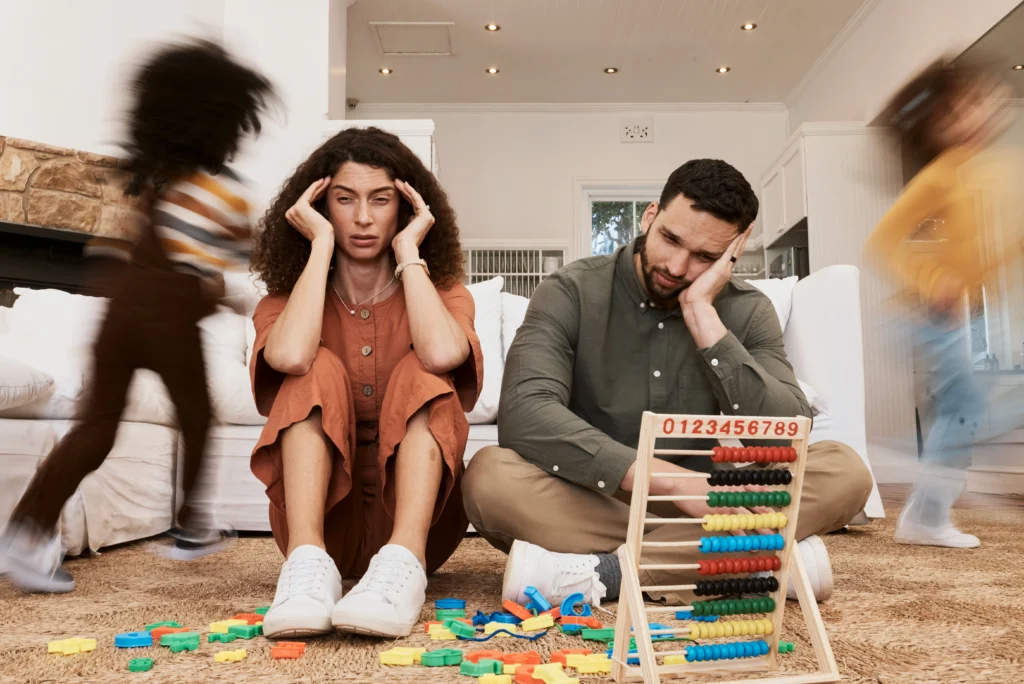
A Conscious Parent’s Path to Emotional Stability Worry is part of parenting. You worry about your child’s health. You worry about school performance. You worry about friendships, safety, and the future. In today’s world with constant news alerts, social media comparison, and rising anxiety statistics it’s easy for worry to become the background noise of family life. But worry does not have to run the show. As a Child Development Specialist, I often guide families through one core shift: awareness transforms anxiety into grounded confidence. When parents practice mindful parenting, they move from reactive worry to intentional presence. Across the United States, parental stress levels have gone up significantly in recent years. The American Psychological Association reports that many parents rank their stress higher than the general population. And when parents carry that chronic anxiety, children absorb it whether we realise it or not. The solution is not to eliminate concern. The solution is to regulate it. Let’s explore how awareness practices can help. 1. Separate Protective Instinct from Projected Fear Worry often feels like love. And sometimes it genuinely is. But there is a real difference between protecting your child and placing your own unresolved fears onto them. Protective instinct says: “Let me teach you how to cross the street safely.” Projected fear says: “You’re not capable. I’ll do it for you.” This is where the conscious parent steps back and honestly reflects. Ask yourself: “Is this about my child’s readiness — or my own discomfort?” Understanding the Benefits of mindful parenting for child development, research tells us that children who are given age-appropriate autonomy build stronger executive functioning skills and higher resilience over time. Confidence grows when children feel trusted. 2. Regulate Your Nervous System First Children co-regulate with adults. When a parent is tense, children mirror that tension without even trying. This is exactly why building Emotional Regulation Kids need starts with adult regulation first. Try this awareness practice: Before reacting to a stressful moment, take one slow inhale for four seconds and exhale for six. It sends a signal of safety to your nervous system. This simple grounding technique fits naturally within Nonviolent Communication, where we respond from a place of clarity rather than emotional overflow. When practising Active Listening Parenting, swap urgent correction for genuine curiosity: Instead of: “You’ll mess this up.” Try: “What’s your plan? I’m here if you need me.” Worry shrinks when trust grows. 3. Create Structures That Support Confidence Grounded confidence does not mean chaos. It means intentional structure. Here are three practical tools for How to implement conscious parenting techniques at home: A. Weekly Reflection Time A short Family Meeting gives children space to voice challenges before they grow. It cuts through guesswork and unspoken assumptions. B. Encourage Decision-Making Early Simple Toddler Activities like choosing between two snacks or picking a bedtime story quietly build decision-making confidence from a young age. C. Use Guidance Over Threats Trade fear-based discipline for Positive discipline strategies for toddlers. This means holding clear boundaries while keeping empathy in the room. For example: “I won’t let you hit. Let’s find another way to show you’re upset.” Families practising conscious co-parenting find that consistent emotional messaging genuinely lowers anxiety in children. Parents exploring Conscious Co-Parenting NJ approaches often notice more stability when both caregivers model grounded behaviour together. Structure provides security. Awareness provides calm. Real-Time Parenting Context Modern parenting carries new stressors: Academic competition Social media comparison Safety concerns amplified by 24/7 news cycles Limited community support systems CDC reports show increased emotional dysregulation trends among children in recent years. More often than not, this connects directly to heightened family stress at home. That is why Holistic Child Development matters now more than ever. Emotional skills have to be nurtured right alongside academics, not treated as secondary. Many families are turning to coaching, therapy, and Best Parenting Books to build awareness-based habits. The shift is real: conscious parenting is replacing fear-driven control. A Personal Reflection Worry once felt like proof that I cared deeply. But then I noticed something, chronic worry communicates doubt, not love. When I began practising mindful parenting, something genuinely shifted. I was calmer. My child was calmer. Decisions started feeling collaborative rather than combative. Grounded confidence does not come from knowing the future. It comes from trusting your own ability to move through it. Conclusion: Confidence Is Built, Not Forced Turning worry into grounded confidence starts with awareness. Here’s a simple practice to try today: The next time you feel anxious about your child’s future, pause and ask yourself: “What skill can I teach right now instead of trying to control the outcome?” Shift from fear to preparation. From anxiety to guidance. From urgency to presence. If you would like deeper support in building emotionally resilient family dynamics, explore our consultations and learning programs at https://vedangibrahmbhatt.com/. Follow us on Instagram and YouTube, parenting expertise. For the latest news and updates, click here to view our recent press releases and stay connected with our work. Worry tightens. Awareness steadies. And grounded parents raise grounded children.
How to Stop Parenting from Fear

Choosing Connection Over Control Every parent has felt it. The fear that your child might fall behind. The fear they won’t be resilient enough. The fear they’ll make the “wrong” friends. The fear that one mistake could shape their entire future. Fear is natural. It is protective. It is something every one of us carries. But when fear quietly takes the wheel in our parenting, it begins reshaping our tone, our expectations, and our connection with our children in ways we don’t always notice. As a Child Development Specialist, I tell families this regularly: parenting from fear creates control; parenting from awareness creates confidence. The goal was never to eliminate fear. The goal is to make sure it stops making decisions for you. Across the United States, parents are dealing with academic pressure, social media exposure, safety concerns, and growing anxiety among children at every age. According to CDC data, youth anxiety and emotional dysregulation have climbed steadily in recent years, and many parents are responding by tightening their grip even further. Here’s how to start moving from fear based reactions toward mindful parenting that’s genuinely grounded in trust. 1. Recognize What Fear Sounds Like Fear based parenting is sneaky. It tends to show up dressed as responsibility. It sounds like: “Because I said so.” “You’ll never succeed if you keep doing that.” “What will people think?” “You can’t handle that yet.” But underneath every one of those statements sits a much quieter belief: “If I don’t control this, something bad will happen.” This is the moment the conscious parent learns to catch themselves. Ask honestly: “Am I responding to what my child actually needs, or am I responding to my own anxiety?” The Benefits of mindful parenting for child development are well documented. Children raised in emotionally responsive homes tend to grow into people with stronger problem solving skills, healthier self esteem, and a real capacity to handle stress. Fear shrinks the space children need to grow. Trust opens it back up. 2. Regulate Before You Redirect Children borrow our nervous systems. That is not a metaphor. It is how it actually works. Correcting from panic teaches anxiety. Guiding from a steady, calm place teaches stability. This is the reason Emotional Regulation Kids develop traces back to us first. Harvard’s Center on the Developing Child has long pointed to co regulation as a cornerstone of emotional resilience in young children. When your child makes a mistake, the shift is small but the difference is enormous. Move away from: “What were you thinking?!” toward something like: “What happened? Help me understand.” This is Active Listening Parenting lived out in a real moment, and it reflects the spirit of Nonviolent Communication, where we separate what a child did from who they are. Fear based parenting is obsessed with outcomes. Conscious parenting stays with the process. 3. Replace Control with Structure and Dialogue Letting go of fear based parenting does not mean letting go of boundaries. It means holding them differently. Good structure actually makes both parents and children feel safer, not more exposed. Some practical starting points for How to implement conscious parenting techniques at home: A. Hold Regular Check-Ins A weekly Family Meeting creates a consistent, calm space where children can say what’s bothering them before it builds into something bigger. B. Encourage Age-Appropriate Independence Simple Toddler Activities built around small choices, picking an outfit, choosing a book, teach children that their preferences matter and that they’re capable. C. Use Teaching, Not Threatening Trade fear based punishment for Positive discipline strategies for toddlers and older children. Firm boundaries and genuine empathy can absolutely coexist. Something as straightforward as: “I won’t let you speak disrespectfully. Let’s try again.” When families practice conscious co-parenting, caregivers who stay consistent with each other remove a lot of the insecurity that fuels power struggles at home. Parents looking into Conscious Co-Parenting NJ approaches regularly notice that when communication aligns, behavioral conflict drops. Structure gives children safety. Fear just teaches them to be afraid. Real-Time Parenting Reality We are raising children in a culture built for comparison. Every milestone gets posted, measured, and ranked. Academic pressure starts earlier than it ever did. Scary news cycles run constantly. Parenting from worry has never felt more justifiable. And yet, child psychology research keeps pointing to the same uncomfortable finding: overprotective, fear based homes often produce more anxious children, not fewer. This is why Holistic Child Development is worth taking seriously, because emotional, cognitive, and social growth all need room at the table. More parents are looking toward therapy, coaching, and the Best Parenting Books to interrupt patterns that were handed down to them. The shift happening across the country is real: awareness is gradually replacing control. A Personal Reflection Fear has a very convincing voice. “If I don’t push harder, they’ll fall behind.” “If I don’t step in, they’ll fail.” But most real growth I’ve witnessed in children happened when a parent stepped back with trust rather than forward with control. Space allows resilience to form. Small failures teach children what they’re actually made of. A parent who stays calm when things feel uncertain shows a child what courage looks like up close. That quiet shift is what mindful parenting really is at its core. Conclusion: Choosing Trust Over Anxiety This isn’t about pretending risks don’t exist. It’s about meeting them with intention instead of panic. One thing to try today, before anything else: The next time you feel the urge to correct your child, stop for just a second and ask: “Am I protecting them right now, or am I trying to control what happens?” That question, when you really sit with it, changes things. If you would like deeper guidance on conscious parenting and emotional growth, explore our consultations and learning resources at https://vedangibrahmbhatt.com/. Follow us on Instagram and YouTube, for ongoing parenting insights and expert guidance. For the latest news and updates, click here to view our recent press releases and stay connected with our work.
Recognizing Triggers as Invitations for Personal Growth

What Your Child’s Behavior Is Really Reflecting Back to You There is a quiet truth in parenting that most of us only discover after the fact: The moments that frustrate us the most often have very little to do with our child and everything to do with us. Maybe it’s the eye roll. The backtalk. The tantrum in public. The refusal to listen. And suddenly, your reaction feels far bigger than the moment ever called for. As a Child Development Specialist, I have seen this play out more times than I can count. Parenting is not just about guiding children. It is about noticing our own emotional triggers and choosing growth over reaction. This is the heart of mindful parenting, awareness before action. Across the United States, more families are beginning to explore emotional intelligence, trauma informed approaches, and Holistic Child Development. The shift is genuinely powerful: parenting becomes less about control and more about consciousness. Let’s look at how recognizing triggers can become one of your most valuable tools for personal growth. 1. Triggers Reveal Unfinished Stories A trigger is not a weakness. It is information. When your child ignores instructions and you feel a surge of intense anger, pause and honestly ask yourself: “What does this remind me of?” More often than not, our triggers trace back to childhood experiences, being unheard, overly criticized, or expected to be perfect at all times. When our child challenges authority, it can quietly activate old beliefs we carry about respect or control. This is where the conscious parent steps in. Instead of reacting with: “Because I said so!” Try: “I’m feeling frustrated. Let’s talk about what’s happening.” This models of Emotional Regulation Kids are still working to develop. Research from Harvard’s Center on the Developing Child shows that children build emotional resilience when the adults around them regulate themselves first. Understanding the Benefits of mindful parenting for child development, we see that children raised in emotionally aware homes show stronger self control, deeper empathy, and lower stress levels overall. Your trigger is a doorway. 2. Emotional Regulation Begins With You Children do not learn emotional control from lectures. They pick it up from watching the people closest to them. If we yell when we’re overwhelmed, they yell. If we pause and breathe, they slowly begin to learn that too. Practicing Active Listening Parenting during heated moments genuinely changes the emotional climate of a home. When a child says “It’s not fair!” instead of brushing it off, try reflecting it back: “You’re feeling upset because it doesn’t feel fair.” This fits naturally with Nonviolent Communication, which puts empathy ahead of blame every single time. Families who practice conscious co-parenting also tend to see less emotional escalation because consistent responses create a sense of safety for children. For those exploring Conscious Co-Parenting NJ, shared emotional language across both households significantly lowers stress for kids. The trigger becomes a training ground for emotional mastery. 3. Turning Reaction Into Reflection Modern parenting stress is real. CDC data continues to show rising anxiety and emotional dysregulation in children, shaped in part by family stress, screen exposure, and constant overstimulation. That’s why understanding How to implement conscious parenting techniques at home matters so much right now. Here are three practical tools worth trying: A. The Pause Ritual When triggered, take one slow breath before saying anything. That small pause alone can interrupt reactive patterns before they take over. B. Weekly Emotional Check-Ins A simple Family Meeting gives both children and parents a calm space to share feelings before things bubble over. C. Structured Connection Time Spend time in simple Toddler Activities that involve turn taking, problem solving, and cooperation. These everyday moments quietly build emotional resilience and reduce rivalry over time. These approaches also align with Positive discipline strategies for toddlers, where discipline is really about teaching skills rather than creating fear. Triggers soften when connection grows stronger. Real-Time Parenting Reality in the U.S. Today’s parents are juggling work demands, digital overload, and very little community support. Emotional exhaustion makes every trigger feel bigger. Many families are turning to therapy, coaching, and the Best Parenting Books to build self awareness. What they often discover is that parenting is far less about fixing children and far more about healing the patterns we inherited. This is where Holistic Child Development and parental growth become the same journey. When we shift from: “Why is my child doing this?” to: “What is this teaching me?” we take our power back. A Personal Reflection I remind parents of this regularly: triggers are not interruptions. They are invitations. When your child tests your patience, they may be showing you exactly where you need more gentleness. When they resist control, they may be nudging you to look at your own rigidity. When they express big emotions, they may be quietly teaching you something about emotional freedom. This is the deeper layer of mindful parenting. Your child is not testing you. They are revealing you. And that awareness, once you have it, changes everything. Conclusion: Growth Begins With Awareness Recognizing triggers as invitations for growth is honestly one of the most courageous things a parent can do. Here is one simple practice to try today: The next time you feel emotionally activated, quietly ask yourself: “Is this about now, or is this about something older?” That one question can shift everything from reaction to reflection. If you would like deeper guidance on emotional awareness and conscious parenting, explore our consultation services and learning resources at https://vedangibrahmbhatt.com/. Follow us on Instagram and YouTube, for weekly insights and more expert guidance and real-life parenting tools. For the latest news and updates, click here to view our recent press releases and stay connected with our evolving work. Parenting is not just raising a child. It is raising your own awareness. And that is where true transformation begins.
Parenting Through Inner Healing: What Your Child Is Teaching You

A Conscious Parent’s Journey Toward Growth There is a moment many parents don’t talk about. It’s not the cute first steps or the first day of school.It’s the moment your child’s behavior triggers something in you — anger, helplessness, shame, impatience — and you realize the reaction feels bigger than the situation. That moment is not failure. It is feedback. As a Child Development Specialist, I have seen that children often mirror the emotional work we haven’t yet done. Parenting becomes less about controlling behavior and more about healing patterns. This is the heart of mindful parenting, understanding that raising a child also means raising ourselves. Across the United States, more parents are exploring emotional awareness, therapy, and Holistic Child Development. The shift is powerful: we are moving from reactive parenting to reflective parenting. Let’s explore what your child might be teaching you. 1. Your Triggers Are Clues, Not Character Flaws If your child’s tantrum feels unbearable, ask yourself:“What does this remind me of?” Many adults were raised in environments where emotions were dismissed or punished. So when our child cries loudly or expresses anger freely, it can feel threatening not because it is wrong, but because it’s unfamiliar. This is where the conscious parent pauses. Instead of:“Stop crying right now.” Try:“I notice I’m feeling overwhelmed. Let’s both take a breath.” This shift models Emotional Regulation Kids need to learn. Research from Harvard’s Center on the Developing Child shows that children build emotional resilience through co-regulation with calm adults. If you’re wondering about the Benefits of mindful parenting for child development, studies show that emotionally attuned parenting lowers anxiety, improves academic performance, and strengthens long-term attachment. Your child is teaching you emotional presence. 2. Repair Is More Powerful Than Perfection We all lose our patience sometimes. Inner healing does not mean never reacting it means returning and repairing. After a heated moment, say:“I shouldn’t have yelled. I was frustrated, but I’m working on responding differently.” This models accountability and aligns with Nonviolent Communication where we express feelings without blame. Through Active Listening Parenting, children learn that conflict doesn’t break connection. It deepens it. Families who practice conscious co-parenting often find that when caregivers repair openly, children feel safer and sibling relationships improve as well. For parents exploring Conscious Co-Parenting NJ, consistent emotional language across households significantly reduces behavioral tension. When we repair, we teach resilience. 3. Your Child Reflects the Environment, Not Just Their Personality Many parents ask:“Why is my child so emotional?” Often the better question is:“What is happening in our emotional ecosystem?” Children absorb stress — work tension, marital strain, digital overload, rushed mornings. CDC data shows rising emotional dysregulation trends among children post-pandemic, linked to household stress levels. That’s why How to implement conscious parenting techniques at home matters deeply. Simple practices create profound shifts: These small rituals strengthen Holistic Child Development by integrating emotional, social, and cognitive growth. If you’re exploring Positive discipline strategies for toddlers, remember: discipline means teaching, not punishing. It is guidance, not fear. Your child’s behavior is often communication. Real-Time Reflection: The Parent’s Inner Work Across the U.S., parenting culture is shifting. More families are seeking support through coaching, therapy, and Best Parenting Books. There is increasing awareness that breaking generational patterns requires courage. When you feel triggered by your child’s independence, defiance, or big feelings, it may be revealing: Parenting becomes an invitation to examine those beliefs. This is the deeper layer of mindful parenting. A Personal Reflection I often tell families: your child is not here to obey you. They are here to grow — and to help you grow. The moments that stretch you are not interruptions. They are instruction. When your child refuses to share, they may be teaching you boundaries.When they cry loudly, they may be teaching you emotional honesty.When they question rules, they may be teaching you flexibility. This is the quiet transformation of the conscious parent. Conclusion: Healing Alongside Your Child Parenting through inner healing is not about becoming perfect. It’s about becoming aware. Here’s a simple practice you can begin today:The next time your child triggers you, pause and ask yourself,“Is this about them or is this touching something older in me?” That question alone can transform your response. If this resonates, explore our consultation services and learning resources at https://vedangibrahmbhatt.com/ to deepen your journey. Follow us on Instagram and YouTube, for ongoing insights into conscious parenting and emotional development. Don’t forget to follow us on Instagram and YouTube for more practical tools and thoughtful conversations. For the latest news and updates, click here to view our recent press releases and stay connected with our evolving work. Your child is not just growing up.They are growing you. And that is one of the most sacred parts of parenting.
Turning Sibling Rivalry into Emotional Literacy Opportunities

Helping Brothers and Sisters Grow Through Conflict Sibling rivalry is one of the most common concerns I hear from parents across the United States. The arguing, the competition, the constant “That’s not fair!” can feel genuinely exhausting some days. But what if sibling conflict isn’t actually a problem to eliminate, but an opportunity to build emotional intelligence? When approached through mindful parenting, sibling rivalry becomes one of the richest environments for teaching empathy, communication, and emotional regulation. As a Child Development Specialist, I’ve watched how ordinary disagreements between brothers and sisters can strengthen, not damage, lifelong bonds when handled with care. Let’s look at how to turn rivalry into emotional literacy. Why Sibling Conflict Is Developmentally Normal Research from the Journal of Family Psychology shows that siblings argue on average 3 to 8 times per hour in early childhood. That sounds like a lot, but it’s completely normal. Children are actively figuring out boundaries, fairness, identity, and how to negotiate with another person. Conflict between siblings is often about: Competing for attention Developing autonomy Learning social rules Practicing emotional expression This is where Holistic Child Development begins, not in perfect harmony, but in guided conflict. 1. Pause the Problem-Solving — Start with Emotion Naming When siblings fight, most parents want to fix things right away. But emotional literacy starts before solutions ever enter the picture. Instead of: “Stop fighting. Say sorry.” Try: “I see two kids who are really frustrated. Let’s figure out what each of you is feeling.” This supports Emotional Regulation Kids are still learning. When children can name what they feel, things like jealousy, being left out, anger, embarrassment, their brains begin connecting logic with emotion. Using Nonviolent Communication, you can walk them through it: “You wanted the toy, and you felt upset when it was taken.” “You felt hurt when your sister didn’t include you.” This models Active Listening Parenting and helps children feel understood before anyone moves toward correction. 2. Use Conflict as a Mini Emotional Classroom Sibling rivalry is honestly a built-in practice ground for real life skills. Here’s how to turn arguments into emotional literacy lessons: A. Teach Perspective-Taking Ask: “What do you think your brother was feeling?” Perspective-taking builds empathy, which is one of the most important skills a child will ever develop. B. Encourage Collaborative Problem Solving Rather than handing down a solution, ask: “What would feel fair to both of you?” This fits naturally with Positive discipline strategies for toddlers and older children too. C. Hold Regular Check-Ins A weekly Family Meeting gives siblings a calm, predictable space to talk through recurring tensions. When families practice conscious co-parenting, consistent messaging around fairness and empathy tends to reduce competition at home. Parents exploring Conscious Co-Parenting NJ approaches often notice real improvements in sibling cooperation once both caregivers start modeling emotional consistency. 3. Shift from Comparison to Individual Strengths Comparison is honestly one of the biggest triggers of sibling rivalry there is. Statements like: “Why can’t you be more like your sister?” push children toward competition rather than connection. Highlighting individual growth works so much better: “I see how hard you worked on that.” “You’re really patient with puzzles.” When parents practice How to implement conscious parenting techniques at home, they naturally move away from comparison and toward encouragement that feels personal. Research from the American Psychological Association shows that children who feel uniquely valued are far less likely to compete aggressively for parental approval. This is one of the real Benefits of mindful parenting for child development, it reduces rivalry by building genuine self-worth. Real-Time Parenting Reality in the U.S. Modern families carry pressures that previous generations simply didn’t face: Increased screen time leading to overstimulation Smaller family networks and less extended-family support Higher stress levels in dual-working households CDC data shows increased emotional reactivity among young children post-pandemic, making sibling conflicts sharper and harder to manage. That’s why building emotional literacy at home matters so much right now. Structured Toddler Activities that involve turn-taking, cooperative play, and emotion labeling can quietly reduce daily power struggles in a big way. Parents who try parenting courses, coaching, or pick up the Best Parenting Books often share that sibling dynamics shift noticeably once the way people communicate at home starts to change. A Personal Reflection I say this to families often: siblings are each other’s longest relationships. How they learn to handle conflict at five years old often shapes how they handle disagreements at twenty-five. When we step into rivalry with calm guidance rather than frustration, we teach: Emotional awareness Boundary setting Repair after conflict Empathy in action That is the essence of the conscious parent. Conclusion: Conflict Is a Classroom Sibling rivalry isn’t something to suppress. It’s something to steward. The next time your children argue, try this: Instead of choosing sides, get down to eye level and say, “Help me understand what happened.” You’ll be surprised how quickly children shift from shouting to sharing when they feel genuinely heard. If you’d like deeper guidance on building emotionally resilient family relationships, explore our consultations and learning resources at https://vedangibrahmbhatt.com/. Follow us on Instagram and YouTube, for weekly insights on parenting and emotional development. And don’t forget to follow us on Instagram and YouTube for more practical strategies and real-life tools. For the latest news and updates, click here to view our recent press releases and stay connected with our work. Sibling rivalry is not the opposite of love. Handled consciously, it becomes the training ground for it.
The Sibling Connection: Encouraging Empathy Between Brothers and Sisters

Turning Everyday Conflict into Emotional Intelligence If you have more than one child, you’ve probably seen it up close — the competition, the comparisons, the dramatic “That’s not fair!” moments that seem to come out of nowhere. Sibling dynamics can genuinely feel overwhelming. One minute they’re laughing together like best friends. Next, they’re in a full-blown argument over who got the bigger slice of pizza. But here’s something most parents don’t hear enough: sibling conflict is not a sign that something is wrong. It is actually one of the most powerful training grounds for emotional growth a child will ever have. As a Child Development Specialist, I say this to families all the time siblings are each other’s very first long-term relationship. When parents guide those moments with intention, the daily disagreements stop feeling like fires to put out and start feeling like opportunities to grow empathy, cooperation, and emotional regulation. Through mindful parenting, we really can transform rivalry into resilience. Why Sibling Conflict Is Developmentally Healthy Research published in the Journal of Family Psychology shows that siblings in early childhood may have multiple minor conflicts per hour. I know that sounds exhausting. But it is completely normal. Children are actively learning: Boundary setting Fairness Negotiation Emotional expression This is a crucial part of Holistic Child Development. Rather than jumping in to stop every single disagreement, our real job as parents is to coach through it. This is exactly where the conscious parent steps in, not as a judge handing down verdicts, but as a calm guide helping children find their way through. 1. Teach Emotional Literacy First, Solutions Second When siblings argue, the instinct for most parents is to fix it immediately: “Give it back.” “Say sorry.” “Share nicely.” But emotional intelligence begins with naming feelings, not rushing past them. Try something like this instead: “I see two kids who are really upset right now. Let’s figure out what each of you is actually feeling.” This supports Emotional Regulation Kids are still developing. When children can put words to things like jealousy, frustration, or disappointment, the sheer intensity of the conflict starts to shrink on its own. Using Nonviolent Communication, you might say something as simple as: “You wanted a turn and felt frustrated when it didn’t happen.” This is the heart of Active Listening Parenting — children feel genuinely heard before they are corrected. The Benefits of mindful parenting for child development run deep: stronger empathy, less aggression, and better peer relationships. And it all starts right at home. 2. Avoid Comparisons — Highlight Individual Strengths One of the quickest ways to pour fuel on sibling rivalry is comparison. Most parents don’t realize they’re even doing it. Phrases like: “Why can’t you be more like your brother?” plant seeds of insecurity that grow into real competition over time. Try recognizing individual growth instead: “I noticed how patient you were today.” “You really worked hard on that.” When parents explore How to implement conscious parenting techniques at home, the focus naturally shifts to effort over comparison. That shift alone reduces jealousy and helps children build confidence that comes from within. Structured Toddler Activities built around cooperative play, things like building something together or shared art projects, also teach teamwork from a surprisingly young age. 3. Create Safe Spaces for Open Dialogue Empathy cannot grow in a space where children feel emotionally unsafe. It just can’t. A weekly Family Meeting can genuinely change the atmosphere in a home. It gives everyone a structured, calm place to talk through things that felt difficult during the week. Try asking: “What’s something that felt unfair this week?” “How can we support each other better?” Families practicing conscious co-parenting often find that when both caregivers use consistent emotional language, sibling tension quietly drops. Parents exploring Conscious Co-Parenting NJ strategies regularly share that cooperation improves when both households model the same conflict resolution tools. Positive discipline strategies for toddlers also help set boundaries that are firm and respectful at the same time: “I won’t let you hit. You’re angry. Let’s find another way to show that.” This protects both children while still honoring what the child is feeling inside. Real-Time Parenting Reality in the U.S. Modern family life comes with pressures that previous generations simply didn’t face: Increased screen time leading to reduced face-to-face problem solving Smaller support systems Higher parental stress levels According to CDC data, emotional dysregulation in children has increased in recent years, shaped in part by the environment children are growing up in today. That is exactly why intentional sibling coaching matters more now than it ever has before. Many families are finding support through consultations, workshops, and the Best Parenting Books that speak to where they actually are. Conscious awareness is replacing the outdated “just stop fighting” approach that most of us grew up with. A Personal Reflection I remind parents of this often: siblings will most likely know each other longer than anyone else in their entire lives. How they learn to handle conflict right now, in these ordinary, messy, everyday moments, will quietly shape how they manage friendships, partnerships, and even workplace relationships decades from now. When we respond with calm coaching instead of frustration, we teach: Emotional awareness Perspective-taking Repair after conflict Empathy in action That is the quiet, lasting power of mindful parenting. Conclusion: From Rivalry to Relationship Sibling conflict is not the opposite of love. It is the classroom for it. Here is one simple thing you can try today: The next time your children argue, get down to eye level and ask each child to describe what the other might be feeling before anyone jumps to a solution. Perspective-taking builds empathy faster than forced apologies ever will. I have seen it work in family after family. If you would like deeper support in building emotionally resilient sibling relationships, explore our consultation services and learning resources at https://vedangibrahmbhatt.com/. Follow us on Instagram and YouTube, for weekly parenting insights. Don’t forget to follow us on Instagram and
Balancing Respect and Boundaries While Staying Child-Centered

Raising Confident Children Without Losing Authority Many parents today are caught in a quiet dilemma. We want to be gentle.We want to be respectful.We want to raise emotionally secure children. But we also want our children to listen, follow limits, and develop discipline. Somewhere between authoritarian parenting and permissive parenting lies a powerful middle ground — one that balances structure with empathy. This is the foundation of mindful parenting and the philosophy of the conscious parent. As a Child Development Specialist, I often tell families: respect without boundaries creates insecurity, and boundaries without respect create fear. The goal is both. Across the United States, parenting culture is shifting. According to the American Psychological Association, modern parents report higher stress levels than previous generations, often because they’re trying to “get it right.” The good news? Research consistently shows that children thrive in environments that combine warmth and structure — a hallmark of Holistic Child Development. Let’s explore how to balance both effectively. 1. Redefine Respect: It Goes Both Ways Traditionally, respect in parenting meant obedience. Today, we understand respect differently. Respect means: This does not remove authority. It refines it. For example, instead of saying:“Because I said so.” Try:“I understand you don’t like this limit. The rule still stands.” This approach supports Emotional Regulation Kids are still developing. Children feel heard without being in charge. The Benefits of mindful parenting for child development include higher emotional intelligence, stronger parent-child attachment, and better long-term cooperation. Respect builds trust. Trust increases cooperation. 2. Boundaries Create Safety, Not Control Children test limits not because they want power — but because they seek clarity. When boundaries are inconsistent, children feel uncertain. When boundaries are firm and calm, children feel secure. Here’s how to implement healthy limits through How to implement conscious parenting techniques at home: A. State Limits Clearly “I won’t let you hit.” B. Validate the Emotion “You’re really angry.” C. Offer an Alternative “Let’s stomp your feet instead.” This aligns with Positive discipline strategies for toddlers and older children alike. Discipline means teaching, not punishing. Using Nonviolent Communication, we separate behavior from identity. Instead of labeling the child (“You’re rude”), we address the action (“That tone felt disrespectful. Let’s try again.”). This is also where Active Listening Parenting becomes powerful. Listening does not mean agreeing — it means acknowledging. 3. Stay Child-Centered Without Becoming Child-Led Child-centered parenting means considering the child’s developmental stage, emotional needs, and temperament. It does not imply giving up structure. Basic Toddler Play that offers choice within a setting — Red shirt or blue shirt? — develops independence without anarchy. Shared responsibility is formed through regular Family Meeting check-ins. Ask: What are some of the rules that are making our home peaceful? In conscious co-parenting families, the boundaries of caregivers are aligned and bring about no confusion. Parents who have considered Conscious Co-Parenting NJ tend to have better consistency with the homes who have similar expectations. Children are happy when their adults are consistent. Real-Time Parenting Context Children of today are growing up in a world of: Constant digital stimulation Academic pressure Social media comparison Less outdoor and unorganized play. There is still increasing anxiety and emotional responsiveness among children, according to CDC data. This renders balanced parenting all the more significant. Parents are becoming more and more resorted to coaching, workshops, and Best Parenting Books to learn how to be empathetic and structured at the same time. The point is evident: the warmth and limits are not the opposite, but they are companions. Suppose that, as it is thought: Non-coercive kindness = permissiveness. Hardness and coldness = authoritarian control. Warmth + firmness = emotionally secure leadership This is a middle way which promotes Holistic Child Development, fostering emotional intelligence with responsibility. When children experience respectful authority, they internalize discipline rather than fear it. A Personal Reflection I often remind families: your child does not need a friend. They need a steady guide. We display self-control when we remain composed when we have limits. Listening as we impose our regulations, we educate dignity. Love does not have boundaries.They are expressions of it. This is the quiet strength of mindful parenting. Conclusion: Structure with Compassion There is no perfect way to balance respect and boundaries. It involves intent. The following is just one of the basic practices you can attempt today: The following time you establish a limit, inquire, Am I able to maintain this boundary without agitation and in a dignified manner? When the answer is yes, it means that you are a grounded authority leader. Need additional help in developing a more emotionally even-handed family dynamics? Check out our consultations and learning programs at https://vedangibrahmbhatt.com/ Follow us on for weekly parenting insights. Don’t forget to follow us on Instagram and YouTube for practical tools and expert guidance. For the latest news and updates, click here to view our recent press releases and stay connected with our work. Respect builds connection.Boundaries build security.Together, they build confident children.