

How to Help Your Child with Big Feelings and Not Act Fast

If you are a parent, you have seen all of your child’s feelings. Tears for the wrong bowl. Being upset at bed time. Or mad when they have to share. In those hard times, it is easy to act fast. But what if you chose to help, not just act? As a Child Development Specialist, I have helped many parents in the U.S. and other places use mindful parenting. This way helps you be calm even when your child is not. I will show you how to deal with your own feelings and help your child with their big feelings. This helps you both feel close and helps with emotional regulation. 1. Pause First, Act Later It may sound easy, but to pause first is a big help. Big feelings can come from a need. They may be hungry or tired. Or there is too much going on. When a child’s head is full of big feelings, they can’t think well. They need to feel safe and close to you. As the conscious parent, your job is not to fix the feeling. Your job is to be calm with them. Try this: Put your hand on your heart when your child is upset. Count to five in your head. This can help calm your body down so you can show them how to be calm. 2. Show You See, Don’t Make It Small Did you ever say, “It’s not a big deal”? Then the big feelings got worse. That is because to them, it is a big deal. Active Listening Parenting is when you say back what your child feels. You can say it even if the feeling seems too big. This is the base of Nonviolent Communication. You show you see their feeling. You don’t make them feel bad or wrong now. You teach your child that feelings are okay. You show them it is safe to show how they feel. This helps with emotional regulation kids can learn for life. 3. Make Rules with Love Being kind does not mean there are no rules. Kids do well when they have rules, more so when rules are set with love. Example: “It is okay to be mad, but it is not okay to hit. Let’s use our words or take a break.” This is part of positive discipline strategies for toddlers. You teach, not punish. You are still the conscious parent. You lead, but you don’t force. Over time, this makes Holistic Child Development. They learn about feelings, and they learn to care, talk, and be strong. A Look at Parents Now A 2023 report from the American Psychological Association said that 7 out of 10 parents in the U.S. say they act on their feelings in hard times with their kids. But kids whose parents are calm and kind have been shown to feel good about who they are. They do better in school. They are good with other kids. That is the real power of how to implement conscious parenting techniques at home. It is not just for now. It is for how they grow and feel for a long time. To End: Helping is the New Way No one is a perfect parent. We all have times when we use a loud voice or feel it is all too much. But each time you are close is a time to teach your child. You can teach them that feelings are not to be feared. They are for us to know more. Tip: Put a “Feelings Chart” on your fridge. It helps your child name their feeling. It gives you a picture to help you start a calm talk. Don’t forget to follow us on Instagram, and YouTube for more ideas and help to raise kids who are smart about feelings. For new news, click here to see our new press releases.
How to Respond to Your Child’s Big Emotions Without Reacting

If you’re a parent, you’ve probably witnessed the full spectrum of your child’s emotions—tears over the wrong cereal bowl, frustration about bedtime, or anger when asked to share a toy. And in those heated moments, it’s tempting to react. But what if, instead of reacting, we responded with intention? As a Child Development Specialist, I’ve guided hundreds of parents in the U.S. and beyond to embrace mindful parenting—an approach that empowers you to show up with calm even when your child can’t. In this blog, I’ll share how to manage your own triggers and respond thoughtfully to your child’s emotional storms, promoting connection and emotional regulation for both of you. 1. Pause First, React Later It might sound simple, but pausing before responding is one of the most transformative parenting tools. Big emotions often stem from unmet needs, hunger, fatigue, or overstimulation. When a child’s brain is flooded with emotion, they aren’t ready for logic or lectures. They’re looking for safety and connection. As the conscious parent, your job isn’t to fix the emotion—it’s to be a calm presence during it. Try this: Place your hand on your chest when your child is upset and silently count to five. This grounding technique helps regulate your nervous system so you can model calm. 2. Validate, Don’t Minimize Have you ever said, “It’s not a big deal,” only to watch your child’s tantrum escalate? That’s because, to them, it is a big deal. Active Listening Parenting involves reflecting your child’s feelings, even if they seem exaggerated. This is the foundation of Nonviolent Communication—validating without shaming or correcting right away. You’re teaching your child that emotions are okay, and that they are safe to express them. By doing this, you promote emotional regulation kids can internalize for life. 3. Set Boundaries with Empathy Responding with compassion doesn’t mean being permissive. Children thrive on boundaries, especially when set with love. Example: “You’re allowed to be angry, but it’s not okay to hit. Let’s use words or take a break.” This approach aligns with positive discipline strategies for toddlers—teaching without punishment. You’re still the conscious parent, but you’re guiding instead of controlling. Over time, this creates Holistic Child Development, where emotional intelligence grows alongside empathy, communication, and resilience. Real-Time Parenting Insight According to a 2023 report from the American Psychological Association, 70% of parents in the U.S. admit to reacting emotionally during conflicts with their children. However, children whose parents consistently respond with calm and empathy are shown to have higher self-esteem, improved school performance, and better peer relationships. That’s the real power of how to implement conscious parenting techniques at home—it’s not just about the moment; it’s about long-term emotional development. Conclusion: Responding is the New Reacting No parent is perfect—we all have moments when we raise our voices or feel overwhelmed. But each moment of connection is a chance to teach your child that emotions are not something to fear, but something to understand. Tip: Keep a “Feelings Chart” on your fridge. It helps your child identify what they’re feeling, and it gives you a visual cue to help start a calm conversation. Don’t forget to follow us on Instagram, and YouTube for more insights and expertise on raising emotionally intelligent kids. For the latest news and updates, click here to view our recent press releases.
Helping Your Child Develop Self-Regulation Skills

We’ve all been there—your child is mid-meltdown in the grocery store aisle, or maybe they’re lashing out at a sibling after a long school day. It’s in these challenging moments that the magic of self-regulation can make all the difference. And while emotional control may not come naturally to kids (or adults!), it is a learned skill—and one that begins at home. As a Child Development Specialist, I often remind parents that our job isn’t to create perfect children, but to model and guide them toward emotional intelligence. In this blog, we’ll dive into what self-regulation really means, why it’s essential, and how to help your child build it in everyday life. 1. Start Early with Routine & Predictability Self-regulation is the ability to manage one’s emotions, behavior, and energy levels in response to a situation. It begins with a sense of structure and security. a. Use Toddler Activities to Teach Patience Simple games like “Simon Says” or puzzles teach children to wait, listen, and follow directions. These fun exercises lay the foundation for impulse control. b. Schedule Regular Family Meetings Carve out time each week to talk about feelings, conflicts, and achievements. Giving kids a voice helps them name their emotions and feel validated, while reinforcing routines and mutual respect. c. Consistency Creates Calm Children thrive on predictability. Mealtime routines, bedtime rituals, and morning check-ins are all gentle ways to reinforce calm and prepare them to self-regulate during transitions. 2. Be a Role Model of Regulation Whether we like it or not, our children are always watching. How we handle stress teaches them how to handle theirs. a. Embrace Mindful Parenting Take a deep breath before reacting. Pause when you’re angry. These simple acts show children that emotions are okay, but so is slowing down to respond thoughtfully. b. Practice Nonviolent Communication Instead of “Stop yelling,” try “I hear you’re upset, let’s talk about it calmly.” Language shapes reality. Reframing correction with kindness helps teach your child better coping strategies. c. Encourage Active Listening Parenting When your child is venting, resist the urge to interrupt or problem-solve right away. Just listen. You’d be surprised how powerful your undivided attention can be in de-escalating big emotions. 3. Teach Regulation Through Connection Children learn to regulate when they feel connected, seen, and safe. a. Build Skills with Play Games that involve waiting turns, following rules, or role-play (like doctor or restaurant) encourage empathy and cognitive control—cornerstones of emotional regulation kids need. b. Promote Holistic Child Development Focus on the whole child—emotionally, socially, and cognitively. Sleep, diet, physical activity, and safe relationships all contribute to a child’s ability to regulate themselves. c. Explore Resources Like Best Parenting Books Books like “The Whole-Brain Child” or “No-Drama Discipline” offer evidence-based techniques that align with how to implement conscious parenting techniques at home and support positive discipline strategies for toddlers. Real-Time Insight According to the CDC, children with strong self-regulation are 2x more likely to perform well in school and develop healthy relationships. But only about 40% of U.S. children under 6 demonstrate age-appropriate self-regulation skills. This underscores the need for early, intentional support. Conclusion: It Starts With You Self-regulation doesn’t develop overnight. But with patience, empathy, and the conscious parent mindset, you can help your child thrive emotionally and socially. Your presence and guidance matter more than perfection ever could. Tip: Create a “calm corner” in your home—a soft space with books, sensory toys, or calming visuals. Let it be your child’s safe place to self-regulate. Don’t forget to follow us on Instagram, and YouTube for more insights and expertise. For the latest news and updates, click here to view our recent press releases.
The Power of Positive Discipline: Teaching Without Punishment

As a Child Development Specialist, I’ve had countless parents sit across from me and whisper the same fear: “I don’t want to be harsh, but I don’t know what else works.” It’s a vulnerable confession—and one that many of us can relate to. The good news? You don’t need punishments to teach your child effectively. In fact, positive discipline strategies for toddlers and older children offer a more compassionate, connected, and science-backed path forward. Positive discipline isn’t permissiveness. It’s structure with empathy. It’s about teaching children how to behave, rather than punishing them for missteps. Here’s how. 1. Connection Before Correction The heart of mindful parenting is presence. Children are more likely to cooperate when they feel seen, heard, and safe. That’s why connection must come before correction. Think of positive discipline as a long-term strategy for relationship-building, not short-term compliance. Instead of yelling “Stop that!” try using Active Listening Parenting tools like, “I see you’re frustrated. Let’s figure this out together.” This approach promotes Emotional Regulation Kids need to thrive—teaching them that all feelings are welcome, but not all behaviors are okay. 2. Set Clear, Consistent Boundaries Positive discipline is firm and kind. It’s not about letting children do whatever they want—it’s about offering age-appropriate boundaries in a way that still honors their dignity. Try creating visual routines for Toddler Activities, or hosting regular Family Meetings to discuss household rules collaboratively. These practices not only make expectations clear but foster a sense of autonomy and responsibility—both key components of Holistic Child Development. When you shift from punishing to teaching, children feel less shame and more motivation to cooperate. And you, as the conscious parent, feel more confident and connected. 3. Model What You Want to See Children learn more from what we do than what we say. That’s why practicing Nonviolent Communication and showing emotional self-regulation in our own reactions is so essential. If we want children to speak respectfully, we must model it. If we want them to apologize sincerely, we must do the same. This isn’t always easy. But embracing conscious co-parenting means reflecting on our own upbringing and being intentional about the behaviors we pass on. The more aware we become of our triggers, the easier it is to respond with grace and not reactivity. And when mistakes do happen? Use them as learning moments. Positive discipline encourages repair over punishment, growth over guilt. Real-Time Research: Why This Matters According to a 2022 study by the American Academy of Pediatrics, children exposed to consistent positive discipline strategies demonstrate 40% fewer behavioral issues and stronger executive functioning than those subjected to punitive methods. When parents learn how to implement conscious parenting techniques at home, children gain long-term skills in empathy, decision-making, and conflict resolution. Conclusion: Discipline as a Teaching Tool If discipline means “to teach,” then let’s teach with love. Let’s give our children tools, not threats. Let’s raise future adults who know not just what to do, but why it matters. Tip: The next time your child acts out, try a “cool-down moment” rather than a timeout. Sit with them. Name their feelings. Co-regulate. You’ll be surprised how quickly connection becomes the greatest corrector.Don’t forget to follow us on Instagram, and YouTube for more insights and expertise.For the latest news and updates, click here to view our recent press releases.
Why Your Child’s Behavior Is a Reflection of Your Inner World

Have you ever noticed your child acting out just as you’re feeling overwhelmed, anxious, or disconnected? It’s not a coincidence. As parents, we are our children’s first environment, and often, their behaviors mirror our internal emotional climate. Understanding this reflection is a cornerstone of mindful parenting—and embracing it can transform your parenting journey into a healing one for both you and your child. As a Child Development Specialist, I’ve worked with countless families navigating this dynamic. The moment a parent begins to turn inward, asking “What is this behavior trying to show me about myself?”, that’s when real breakthroughs happen. Let’s explore how your child’s behavior is a reflection of your inner world—and how you can shift that dynamic with awareness, tools, and compassion. 1. Emotions Are Contagious: Your Calm Is Their Calm Children are incredibly sensitive to emotional energy. If you’re feeling anxious, frustrated, or emotionally unavailable, your child may respond by acting out, withdrawing, or becoming overly clingy. These behaviors aren’t random—they’re responses to an environment they don’t yet know how to verbalize. This is where emotional regulation kids begins—with us. Instead of immediately correcting their behavior, pause and check in with your own body. Are you tense? Distracted? Exhausted? Naming and soothing your own emotion is step one in shifting theirs. This is the benefit of mindful parenting for child development—when we stay grounded, our children feel safer, and their behaviors naturally stabilize. 2. Behavior as Communication: What Are They Really Saying? Behavior is a child’s primary way of communicating unmet needs. If your toddler is throwing tantrums every night at dinner, it might not be about the food—it could be about craving more connection with you. When we take time for intentional connection, such as toddler activities like play-based storytelling or creative expression, we begin to meet those unspoken needs. Tools like Active Listening Parenting can help decode what lies beneath the behavior. Instead of “Why are you being so difficult?”, ask, “What are you trying to tell me right now?” This shift from control to curiosity is what the conscious parent embraces—and it’s often the doorway to healing not just your child’s struggle, but your own childhood echoes as well. 3. Conscious Parenting Changes the Legacy Many of us grew up in homes where emotions were dismissed or discipline meant punishment. But today, parents are empowered to break those cycles. With positive discipline strategies for toddlers, you can set firm, respectful boundaries while preserving emotional connection. For example, saying “I won’t let you hit, but I’m here to help you with your big feelings” teaches both limits and love. And when both caregivers commit to conscious co-parenting, it creates consistency, emotional safety, and powerful modeling for your child. If you’re navigating this with a partner, our Conscious Co-Parenting NJ consultation services are designed to help both of you show up with clarity and unity. Real-Time Insight: The Science Behind the Reflection According to a 2022 study in the Journal of Child Psychology and Psychiatry, children of parents who practice mindful parenting exhibit significantly fewer behavioral issues and higher emotional intelligence. Furthermore, open discussions during regular family meetings foster resilience, communication skills, and mutual understanding within the household. Conclusion: Heal Yourself, Help Your Child Thrive Your child is not trying to give you a hard time—they’re having a hard time. And often, it’s a reflection of our own unspoken emotional landscape. But with curiosity, self-awareness, and a commitment to how to implement conscious parenting techniques at home, you can break old cycles and co-create a more peaceful, connected family experience. Tip: Next time your child acts out, pause and ask: “What’s happening within me right now?” This small moment of reflection can lead to powerful transformation. Don’t forget to follow us on Instagram, and YouTube for more insights and expertise. For the latest news and updates, click here to view our recent press releases.
How to Raise Emotionally Intelligent Children?

In today’s fast-moving world, being book-smart is no longer enough. What truly sets children up for a successful and fulfilling life is their emotional intelligence—the ability to recognize, understand, and manage their own emotions while empathizing with others. And like any skill, emotional intelligence isn’t something kids are just born with—it’s something they learn. As the conscious parent, raising emotionally intelligent children means prioritizing connection over correction and curiosity over control. It’s about equipping your child with the emotional tools they need to thrive in relationships, school, and eventually, the workplace. Whether you’re parenting toddlers or teenagers, this beginner-friendly guide—grounded in science, compassion, and mindful parenting—will walk you through how to begin nurturing emotional intelligence right from home. 1. Name It to Tame It: Teach Emotional Awareness The first step in raising emotionally intelligent kids is helping them identify and label their emotions. This may seem simple, but many adults still struggle to do this clearly. When we support children in naming their emotions, we give them the power to express, understand, and eventually regulate them. Try this: As child development specialists affirm, emotion labeling activates the thinking brain (prefrontal cortex) and soothes the emotional brain (amygdala). This “name it to tame it” concept helps children feel seen and teaches them that all emotions are valid—even the tough ones. And when your child does open up, respond with active listening parenting—reflect back what you hear without fixing or minimizing. 2. Model Emotional Regulation and Repair Your child learns how to manage emotions not from what you say—but from what you do. That’s why the conscious parent begins with self-awareness. Do you shut down when angry? Raise your voice when overwhelmed? These are teachable moments—not just for your child, but for you. Show them that emotions aren’t something to fear or avoid. How to model regulation: This level of emotional transparency builds trust and safety, especially in families practicing conscious co-parenting. Whether you live under the same roof or are co-parenting across two homes (like the model in Conscious Co-Parenting NJ), consistency in emotional modeling matters. Repairing and reconnecting regularly—especially during family meetings—also fosters holistic child development by teaching children that mistakes don’t define us and that relationships can recover and grow. 3. Encourage Empathy and Problem-Solving Emotional intelligence isn’t just about handling your own emotions—it’s about responding to others with empathy. Start early by helping kids step into someone else’s shoes. When conflicts arise between siblings or friends: You can also practice this skill proactively during role-play, stories, or community experiences. Encourage your child to help a friend in need, donate toys, or comfort someone who is sad. These habits reinforce the benefits of mindful parenting for child development, where compassion becomes second nature. And when they face tough situations—like losing a game, being excluded, or failing a test—support their growth by focusing on solutions rather than blame. Use positive discipline strategies for toddlers and older children to teach boundaries with kindness: Final Thoughts: Raising Hearts as Well as Minds At the end of the day, what we want most for our kids isn’t just that they succeed—but that they feel whole, connected, and confident in who they are. Emotional intelligence is the cornerstone of that wholeness. By raising emotionally intelligent children, we raise future adults who know how to love, lead, listen, and live with integrity. And that starts with us—one conversation, one breath, one moment at a time. At Vedangi Brahmbhatt, we’re here to walk with you on this journey of heart-first parenting. Whether you’re just starting out or already diving into deeper emotional work, remember: you don’t have to be perfect—you just have to be present. Emotional Intelligence Tip: Create a “Feelings Corner” at home—a cozy space with emotion flashcards, sensory toys, calming music, and a journal. It becomes a safe zone for your child to cool off and connect with their feelings. Stay Connected: For more tools, emotional coaching tips, and parenting insights: 👉 Follow us on Instagram, and YouTube For the latest news and updates, click here to view our recent press releases.
Spare Me: Teaching Your Kids to Change a Tire

There’s something empowering about knowing how to solve a problem when life throws you a curveball—or in this case, a flat tire. Changing a tire may not be something taught in most schools, but it’s a life skill every young adult should have in their toolbox. Whether it’s your teen heading out for their first solo drive or your preteen tagging along on errands, showing them how to change a tire is about more than tools and technique. It’s about building confidence, responsibility, and self-reliance—core values we nurture as the conscious parent. In this post, we’ll guide you through how to teach this essential skill while embedding it into a mindful parenting framework, encouraging hands-on learning, emotional regulation, and long-term resilience. 1. Start With the Why: Empowerment Through Real-World Readiness Before you even pop the trunk, talk to your child about why this skill matters. Teens, especially, are more likely to engage when they understand the relevance. This is also a chance to spark a deeper conversation around safety, self-reliance, and being a prepared adult. Consider using active listening parenting to ask: You’re not just teaching a task—you’re modeling how to approach life with calm, clarity, and confidence. These are skills rooted in holistic child development, and they’re just as valuable in the garage as in the classroom. If your parenting journey includes conscious co-parenting, consider collaborating with your co-parent to ensure your teen gets equal opportunities to learn life skills from both households—consistency in these teachings reinforces responsibility across the board. 2. Turn Tire Changing Into a Teachable Moment Once your child understands why it matters, make the lesson hands-on. Teens retain more when they physically do the task themselves. Choose a safe environment—like your driveway or a quiet parking lot—and walk through the steps together: Step-by-Step Breakdown: Use the opportunity to build your child’s mechanical vocabulary, boost problem-solving confidence, and reinforce composure under pressure. It’s the perfect application of how to implement conscious parenting techniques at home—teaching responsibility through active participation, not lectures. Pro tip: Practice this as a family. Make it part of a weekend “life skills day” alongside other activities like budgeting, grocery shopping, or laundry folding—especially if you’re still in the stage of guiding through toddler activities. This normalizes learning and cooperation across all ages. 3. Normalize Mistakes and Celebrate Growth Chances are, your child might drop a lug nut, struggle to position the jack, or feel nervous about the process—and that’s okay. Instead of jumping in with correction, pause and use nonviolent communication and validation: When you frame the experience as a safe space to make mistakes and learn, you activate the benefits of mindful parenting for child development—resilience, grit, and an internal sense of capability. Celebrate their effort more than the outcome. Whether they master it on the first try or fumble their way through, what matters is that they tried. This approach reinforces emotional safety, confidence, and the idea that they’re never alone in learning new things. If your family uses family meetings, bring up the topic afterward. Ask your teen what they learned, how they felt, and what they’d want to teach someone else about the process. These conversations reinforce skill retention and encourage reflection. Final Thoughts: Tools, Trust & Tire Changes Raising capable, confident kids isn’t just about teaching them algebra or packing the perfect lunchbox. It’s about giving them the tools to face real life—even if that life looks like a flat tire on a rainy road someday. As the conscious parent, when you create time for practical skills like changing a tire, you’re instilling much more than a mechanical routine. You’re passing down empowerment, independence, and calm under pressure. So the next time your teen heads out for a drive, you’ll both know: they’ve got this. Tip of the Day: Keep a laminated step-by-step tire change guide in the glove compartment. Include a flashlight, gloves, and a small towel in the trunk to make the process easier, especially at night. Stay Connected: Want more content on raising independent, emotionally intelligent kids through practical skills? 👉 Follow us on Instagram, and YouTube For the latest news and updates, click here to view our recent press releases.
The Children on the Bus Go… How to Prepare Your Kids for the World of Bus Riding
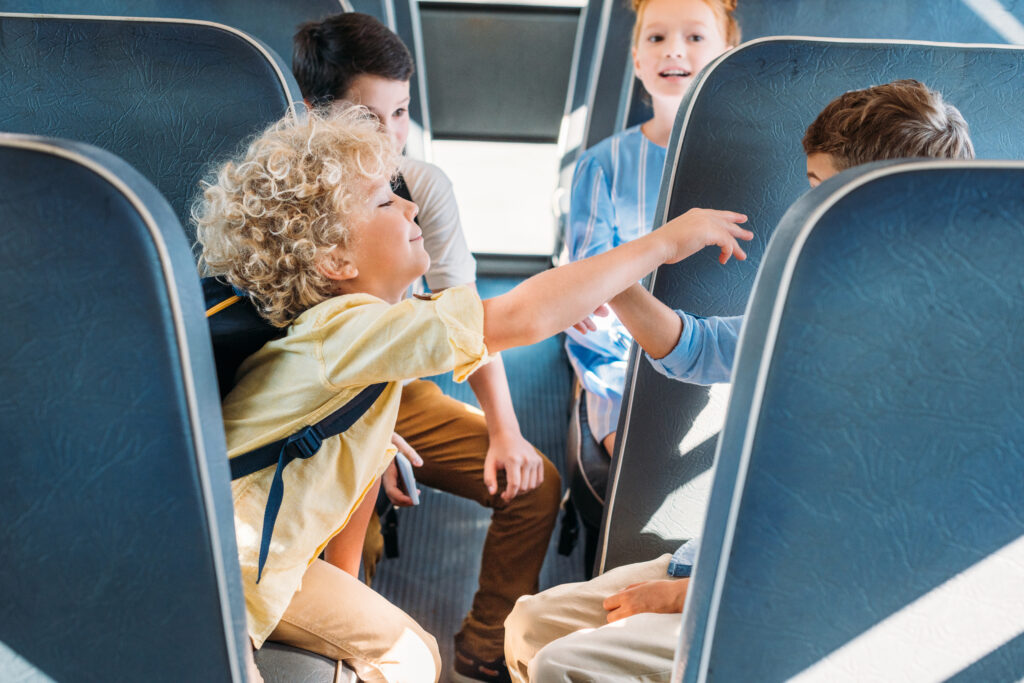
The first time your child climbs onto a school or city bus without you, it feels like a major milestone—and for good reason. Whether it’s a yellow school bus rolling through your neighborhood or a public transit ride to a summer camp, learning to navigate the bus system is an important step toward independence. As the conscious parent, your goal isn’t just to make sure your child knows where to sit. It’s to equip them with the emotional, social, and practical skills they need to ride with confidence, courtesy, and safety. In this post, we’ll explore how to prepare kids of all ages for the world of bus riding using tools from mindful parenting, trauma-informed guidance, and practical strategies supported by child development specialists. 1. Start With Basics: Safety, Structure & Predictability Before anything else, your child needs to know what to expect. The bus can be noisy, crowded, and overstimulating—especially for younger children who thrive on routine and predictability. Help your child feel secure by: For toddlers or early school-age children, consider using role-play as a toddler activity to act out bus scenarios. Pretend to be the driver or another passenger and practice polite phrases like: These early lessons help build social confidence and are supported by the benefits of mindful parenting for child development, where experiences are scaffolded step-by-step, helping kids build trust in themselves and their environment. 2. Foster Emotional Readiness Through Connection Even older children may feel nervous about taking the bus alone. This is where emotional regulation kids learn at home plays a critical role. A child who knows how to identify and name their feelings is more likely to ask for help when they need it. Use active listening parenting before and after the first few rides: Normalize the full range of experiences. If something didn’t feel right—maybe someone said something unkind or they felt overwhelmed by the noise—validate those emotions without judgment. You can also bring this up during a regular family meeting, where each member shares highs and lows of the week. This safe space helps kids develop trust and emotional vocabulary, which can be invaluable in unpredictable social settings like a school bus. And if you’re navigating two households, conscious co-parenting practices like consistent communication and shared expectations (as modeled by Conscious Co-Parenting NJ) can help reduce confusion or stress for kids riding different buses on different days. 3. Equip Them With Practical Tools & Social Awareness While the bus is a great place to gain independence, it’s also a mini society. Your child needs to learn more than just logistics—they need to know how to be a good bus citizen. Teach them: Using techniques from nonviolent communication, practice how to speak assertively but kindly. For example: You’re not just raising a child who can get from point A to point B. You’re raising a human who knows how to respect others, communicate clearly, and act responsibly. This approach also echoes how to implement conscious parenting techniques at home, by guiding your child to reflect on choices and consequences—not through control, but through collaboration and learning. Final Thoughts: The Ride Is as Important as the Destination Preparing your child for the world of bus riding is about more than logistics. It’s about trust, confidence, and connection. When you blend practical prep with emotional support, you’re not just sending your child onto a bus—you’re helping them step into the world with readiness and resilience. As a parent or caregiver, these everyday transitions are opportunities to model grace, kindness, and problem-solving. It’s one more way to lean into your role as the conscious parent, helping your child grow in both freedom and responsibility. Bus Tip of the Day Pack a “bus comfort kit” with your child: a small book, tissues, mints, a worry stone, or a calming fidget. These simple items can make a big difference during longer or stressful rides. Stay Connected: Want more guidance on school transitions, child confidence, or emotional resilience? 👉 Follow us on Instagram, and YouTube For the latest news and updates, click here to view our recent press releases.
No Means No: Teaching Consent to Your Teen

They grow up so fast—from curious toddlers asking “why?” to teens exploring independence and relationships. As the conscious parent, you’ve likely guided your child through toddler activities, taught them emotional regulation, and modeled respect at home. But as they transition into young adulthood, a new and essential conversation emerges: informed consent. Talking about consent isn’t just a “sex talk.” It’s a lifelong skill about respect, boundaries, and communication. It’s about raising people who understand that their body is their own—and so is everyone else’s. In a world where mixed messages and peer pressure are everywhere, consent must be taught not as a warning, but as a value. Whether your young adult is heading to high school, college, or navigating their first serious relationship, here’s how to empower them with clarity, courage, and compassion. 1. Teach Consent as an Ongoing, Affirmative Practice Consent is not a one-time “yes” or “no.” It’s an ongoing, enthusiastic, mutual agreement—and it can be withdrawn at any time. Make sure your young adult understands: This approach mirrors the foundation of nonviolent communication: listening, checking in, and valuing the other person’s autonomy. In your everyday conversations, use real-life examples and media moments to ask: These discussions also reinforce the benefits of mindful parenting for child development, even as your child steps into adulthood. When you make consent about empathy and awareness—not just rules—you raise someone who leads with emotional intelligence. 2. Normalize Talking About Boundaries at Every Age Believe it or not, the consent conversation begins long before dating. It begins when you ask your toddler, “Do you want a hug?” or respect their “no” when they don’t want to be tickled. These early moments shape how kids view bodily autonomy—and that lesson grows with them. If you’ve already been practicing positive discipline strategies for toddlers, you’ve laid the groundwork. But it’s never too late to start. Use active listening parenting to model respect for boundaries: During family meetings, create a safe space to discuss emotions, relationships, and values. You might even role-play scenarios involving peer pressure or unclear boundaries. As uncomfortable as it may seem, this openness is critical to how to implement conscious parenting techniques at home—especially for teens navigating dating apps, parties, and complex social dynamics. 3. Equip Them With Real-World Tools and Language Teaching consent also means giving your child the language to assert themselves—and to respect others. That’s where confidence and clarity come in. Help them practice saying: You’re not scripting them—you’re preparing them. As a child development specialist would confirm, repeated exposure to respectful communication boosts emotional confidence and reduces the likelihood of coercive behavior in relationships. It’s also important to discuss how alcohol or drugs can impair consent. According to the CDC, nearly 1 in 5 women experience rape or attempted rape in college—and most incidents involve someone the victim knows, often under the influence. This makes it crucial to talk about how intoxication eliminates the ability to give proper consent, regardless of someone’s initial response. These conversations are not about fear—they’re about self-respect, protection, and responsibility. Final Thoughts: Respect Is the Real Romance Teaching your young adult about informed consent isn’t a checkbox. It’s an evolving dialogue rooted in trust, modeling, and emotional integrity. When you approach this topic with compassion and openness, you normalize respect. You raise someone who understands that “no” isn’t rejection—it’s a boundary. And you empower them to become not only safe and respectful in their relationships—but also courageous enough to advocate for others. At Vedangi Brahmbhatt, we believe these lessons start at home and ripple outward. From bedtime routines to first crushes, every moment is an opportunity to build trust, emotional literacy, and personal power. Consent Talk Tip: Create a “Consent Code” together—5 guiding principles for respectful relationships. Post it somewhere visible. Let your child personalize it, then revisit it during check-ins or family meetings. Stay Connected: For more parenting insights, emotional tools, and workshops designed for today’s families, follow us on: Instagram and Youtube.For the latest news and updates, click here to view our recent press releases.
Mom in the Mirror: Developing Healthy Body Positivity for Your Children

She watches you tug at your jeans.He hears you sigh when you skip dessert.They notice when you hide from the camera. Whether we mean to or not, our children are always absorbing how we talk about ourselves—and our bodies. As the conscious parent, we strive to create a home filled with love, resilience, and emotional well-being. That includes helping our kids develop a positive body image—and it often begins not with what we tell them, but with what we tell ourselves. In today’s appearance-driven world, body positivity is more than a movement—it’s a conscious parenting priority. It’s tied to holistic child development, emotional regulation, and how our children grow into self-assured, compassionate adults. Here’s how to foster body positivity in your children, starting with what they see in you. 1. Watch Your Words—Especially About Yourself Children mirror their parents’ language. If we constantly talk about needing to lose weight, pinching our waist, or labeling food as “bad,” our kids internalize those messages—about their bodies and about what bodies should look like. This is where mindful parenting becomes crucial. Instead of criticizing your reflection, model appreciation: This doesn’t mean pretending to love everything about your body—it means reframing how you speak to yourself out loud. Use nonviolent communication with yourself and your kids: speak with kindness, not judgment. Children raised with self-compassionate caregivers are more likely to adopt those same thought patterns themselves. If you’re co-parenting, ensure your values are mirrored across both households by using conscious co-parenting principles (such as those taught in Conscious Co-Parenting NJ) to align on messaging and reinforcement. 2. Celebrate Function Over Form Instead of complimenting kids only on how they look (“You’re so cute!”), shift the focus to what their bodies do. This is especially important during early development and toddler activities, when language and self-image are being formed. Say things like: This aligns with the benefits of mindful parenting for child development—you’re reinforcing value based on effort, capability, and feeling, rather than appearance. It supports emotional regulation kids need to handle body changes, peer feedback, and the digital world’s unrealistic standards. These habits build internal resilience that lasts longer than any external praise ever could. 3. Create Safe Spaces to Talk About Body Image Early Start age-appropriate conversations as soon as your child becomes aware of appearance. Even something as simple as a sibling pointing out a round belly or a TV character’s size can be a teaching moment. Use active listening parenting during these moments. Ask: Create space in your weekly family meeting to bring up body image, media influence, or even characters in books. Speaking of which, many of the best parenting books today include resources to help guide body-positive conversations and teach acceptance across cultures, abilities, and sizes. Also, model media literacy. Discuss filters, Photoshop, and unrealistic beauty standards in ads and shows. Teach your kids that bodies are not trends. 🪞 Final Thoughts: The Mirror Isn’t the Problem—The Message Is If your child grows up seeing a mom (or dad) who appreciates their body, treats it with respect, and doesn’t equate worth with weight or looks, that’s a revolution. Developing body positivity at home doesn’t require perfection. It requires presence. It requires being the example—not the exception—of self-love in action. As a child development specialist, I’ve seen the power of these shifts ripple through generations. Because when we change the way we see ourselves, we change how our children see themselves too. 💡 Body Positivity Tip: Create a “Gratitude Mirror” in your child’s room. Each morning, take turns sharing one thing you love about your body and why. Start simple: “I love my hands—they help me paint!” 📱 Stay Connected: Want more support on parenting, emotional wellness, and raising resilient, confident kids? 👉 Follow us on Instagram, and YouTube 📰 For the latest news and updates, click here to view our recent press releases.