

The Rational Case of Conscious Parenting Not being Effective with Being Perfect.

The process of raising a child may resemble an unending chase of perfection. Parents in social media tend to scroll through idealised life and are pressured to meet unrealistic standards. Conscious parenting reverses that story. It diverts focus off the perfect performance and puts it into the here and now and the honesty of the moment. It does not encourage perfection; but, instead, it calls you to observe your emotions and what your child really requires. What Is Conscious Parenting? Conscious parenting refers to bringing up kids with conscious thought. It explains to parents to take time before making decisions and to be able to choose the kind of answer that is thought of and not one that is made out of reason. It is not that of obedience but the understanding of why a child acts in a certain manner. There is no need to command a child, it means being connected. Conscious awareness practices make parents aware that their responses determine the emotional environment of the family. They are in charge of themselves and their emotions, which makes them develop a safe, honoured, and valued house. The significance of Conscious Parenting. Children develop into secure, confident individuals when the feelings of the people are interpreted. Emotional intelligence, trust and resilience are all developed in Conscious parenting. It forms families in which children are able to express themselves without being afraid of being judged. Conscious parenting helps the families to remember that progress is better than perfection. The Conscious Parenting Techniques: The Home Implementation. Becoming an attentive parent is not something dramatic. It begins with little, intentional practices on a daily basis. Pause before you react. Breath when a child does something that you get activated by. That is the time to take it and react without haste. Speak with curiosity. Inquire about the feelings of your child rather than being quick to correct him. Use conscious discipline for parents. Discipline is a lesson, not some form of control. Establish regulations of respect and safety. Show self-awareness. By making an apology, you explain to the child that it is more about growth than being right. These habits also facilitate conscious co-parenting where both parties can share values, and constantly communicate even during a conflict. This togetherness makes children feel permanent and secure. This section represents How to implement conscious parenting techniques at home effectively through empathy, curiosity, and consistent practice. The Truth About Imperfection. Conscious parenting acknowledges that nobody is an ideal parent- that is alright. Both parent and child go through the learning cycle of which mistakes are part of the learning. Relinquishing perfection creates room to associate, empathise and be genuine. A mature parent understands that love is concerned with understanding and acceptance as opposed to control. The real indicators of this approach are being present, attentive and calm when the times are tough. Conclusion Being conscious with parenting is not what one should attain. It transforms self-criticism into sympathy and establishes healthier relationships in the family based on trust. Connection starts with consciousness and conscious transformation. Children learn that through learning rather than mastery. This is what Conscious parenting entails. Visit Vedandi Brahambhatt on Instagram and YouTube to read daily posts, tips on mindful parenthood and professional advice on how to bring up an emotionally balanced child. FAQs So what is the purpose of conscious parenting?It seeks to establish families that are emotionally sensitive wherein parents and children connect with each other in empathetic, trusted and efficient communication. What do you mean by the difference between conscious discipline of parents and traditional discipline?It is based on directions and knowledge and not punishment, which makes children responsible and sensitive emotionally. Does conscious co-parenting exist following separation?Yes. It promotes cooperation and emotional stability among children in the event of parents having separated. Which are the conscious parenting methods to be applied at home?Begin with little things: become a good listener, take time to speak to someone, and show emotions in their true form to demonstrate maturity. Can conscious parenting be applied at any age?Absolutely. It is useful to both young children and teenagers because it facilitates communication as well as emotional intelligence.
Parenting as a Spiritual Practice

Parenting a child does not just imply childhood upbringing, it is rather more about growing with a child. Each and every moment of joy, distress and experience brings to mind something in our inner world. In that light parenting may be a spiritual practice invitation to become more conscious, less judgmental and harmonious. The minute we get rid of control, reactiveness, we open up a space to be connected and grow in the actual sense. Parenting as Spiritual Journey Learning. Spiritual parenting encourages intimacy, in comparison to perfection. It is quite consistent with conscious parenting that conditions parents not to react to their emotions. Each issue would be a learning experience and a spiritual healing process. The practice given is about the need to be conscious when communicating and the need to be aware of the emotional needs of your child. Along this line, Attachment parenting practices and respectful parenting propose that parents should foster emotional security instead of authority. Trusting and accepting relationships are created when we replace dominance with empathy. Parenting is meditation therefore in the day to day life in which love, knowledge, and patience guides every action. Spiritual Parenting is relevant due to its role in character making of children and their family. When parents are not frustrated, they can show emotions of calmness and compassion by undergoing emotional moments. This strengthens emotional bonds other than advancing mental and spiritual development of children. Core Benefits Allows Self regulation and empathy through Co-regulation Parenting, to ensure that the children are able to portray the composed demeanour and behaviour. Creates a deeper understanding through Active Listening Parenting whereby the child feels like he or she is heard. Comes to be a strong person as now life can be considered as a course in patience and love. The pay offs of the said benefits outlive through generations- children raised in such a level of knowledge do emerge as emotionally mature, self-aware individuals. How to implement conscious methods of parenting at home. The next step in introducing spirituality in upbringing is mindfulness in mundane activities. The uses of How to implement conscious parenting techniques at home include the following: Pause before responding. Also take a break and take time to breathe and then react to the activities of your child. Validate emotions. This creates trust without necessarily judging them, being aware of their feelings. Set gentle boundaries. Replacement of punishment by empathy using the Gentle parenting methods for dealing with tantrums. Reflect afterward. Ask yourself the question, what the circumstance is teaching you in connection with your responses. These minor corrections inject everlasting emotional peace in the family. Focusing On overcoming normal obstacles. Spiritual parenting does not involve being perfect but being conscious. In case of stressful or exhausting circumstances, there may be the appearance of old habits and inherited patterns of parenting. Instead of being guilty, learn to practise self-compassion and remember that the more an individual does it, the more he/she becomes aware of it. The other manner in which a parent could be assisted is through the Parenting Workshops where tools and perspective could be obtained. Such programmes offer an effective practice that can assist in the process of control of emotions and the conscious practice of conscious co-parenting in that way that both caregivers share similar values of empathy and mindfulness. Conclusion Raising children is a self-discovery when used as a spiritual practice. All tantrums, cuddling, and silence are the time to form something in love and life. Conscious parenting can be used to remind us that we desire to relate and not to control. As we raise the hearts of our children we are raising our own. Visit Vedandi Brahambhatt on Instagram and YouTube to read daily posts, tips on mindful parenthood and professional advice on how to bring up an emotionally balanced child. FAQs How does conscious and spiritual parenting correlate?It is compassionate and caring, and it transforms the usual parenting into the religious growing and healing process. Could it be that the two parents are doing this at the same time?Yes, with conscious co-parenting, the parents can reach the point of mutual understanding in their feelings that creates a balanced atmosphere for the child. What would I do when tantrums are occurring?Use Gentle parenting methods for dealing with tantrums– stop, relax, and respond to the child with expression instead of taking impulsive decisions. Parenting seminars, would they help in spiritual development?Absolutely. Parenting Workshops offer insights of emotional mindfulness, conscious communication and family harmony instruments. Then what is the first step towards spiritual parenting?You will begin by observing your responses and training presence. Awareness is founded on transformation.
How Raising Children Can Deepen Your Connection to Your Higher Self and Purpose

Parenting is not just a process of ensuring a child grows up, it is a reflection that portrays your development. Every encounter, trial, and every moment of loving tells a lot about your inner world. You can learn to be patient, kind and humble by raising children with care. It is more than character-making when these experiences make you one with your great self where intent and harmony find consciousness. Raising Children, a Spiritual Journey. All the parents set out on the trip with the hope that they would produce a good, self-confident and well-adjusted child. What perhaps trends on unnoticed is the way in which this journey also changes the parent. You start becoming aware of your triggers and strengths as you navigate through the emotional, boundary and day-to-day choices. This consciousness is the basis of the Holistic Child Development, in which emotional, mental and spiritual development is cultivated as one. Child Development Specialists and all experts are unanimous on the fact that it takes self-reflection when it comes to conscious parenting. When you know yourself, you will be able to lead your child in a real and stable way. As you start to parent conscientiously, you are bringing up not one child but your consciousness. The Parenthood Emotional Reflecting Mirror. Children are psychological reflections. They tend to respond and demand the way you have unhealed feelings. Whenever a child is frustrated or scared, the kind of reaction you show reflects the level of calmness of your inside. This awareness and appreciation of this relationship enhances emotional intelligence in child development. Core Benefits Develops sympathy and self-identification, as an outcome of mutual development. Enhances emotional intelligence in child development, the children are taught to express and comprehend feelings clearly. Inspires peace within the individual self because parents will know how to control their emotions and then instruct the child. When parents respond rather than react they generate a harmony in family and in oneself. It makes parenting more of a meditation where being is the substitute of control. Coaching Children to grow Consciously through parenting. It is a step by step process to make awareness out of daily interactions. The following is the way to start incorporating spiritual and emotional development into the daily parenting: Observe, don’t control. Child Autonomy Parenting through practice enables children to make age-related decisions as they also gain confidence. Use positive guidance. Implement Positive discipline strategies for toddlers that involve communication and understanding as opposed to punishment. Reflect daily. Having experienced some tension, ask yourself what feeling was evoked and what the moral of this feeling is. Model emotional regulation. Your placid manner will teach theirs, and bring about external and internal balance. Through this dialogue rather than instructing parenting, both the parent and the child grow together by learning. Conquering Inner and Outer Challenges. Child rearing is bound to cause stress, fatigue and one full of doubt. The failures are not these moments, but chances to change. They are the causes of healing the areas of life when approached on the conscious level. Being mindful, patient, and compassionate solidifies your spiritual background and helps you get in touch with your purpose. Sustaining awareness and emotional development may also be assisted by any of the following professionals: Child Development Specialist or reflective parenting communities. They provide means of going through emotional ups and downs and focus on the holistic development of the whole family. Conclusion One of the most spiritual educators in life is upbringing a child with awareness. It challenges you to increase your ability to love, be patient, and understanding. With Holistic Child Development, you no longer bring up a child, but you are becoming a higher person. Parenting is a spiritual process where the self-discovery and cause are interlinked, and as a result, the process of self-discovery is more conscious and connected to the higher self. Visit Vedandi Brahambhatt on Instagram and YouTube to read daily posts, tips on mindful parenthood and professional advice on how to bring up an emotionally balanced child. FAQs Does parenting bring about spiritual growth?Through tackling the adversities, as well as feelings, in a conscious manner, parents become aware and compassionate, identifying with their greater self. What is holistic child development?The concept of Holistic Child Development pays attention to the emotional, mental, physical, and spiritual health of the parent and the child. What is the role of emotional intelligence in parenthood?Child development that is characterised by high emotional intelligence in child development enables parents and children to interpret and control emotions, which enhances stronger attachments. What are the positive discipline strategies of toddlers?Positive discipline strategies for toddlers will promote cooperation by use of empathy and setting boundaries instead of punishments. What is the contribution of child autonomy in parenting?Child Autonomy Parenting assists children to develop independence and decision making abilities whereas parents gain trust and patience.
Exploring the shift from automatic responses to mindful choices in parenting.

Parenting is more of an autopilot process. A child is crying and we re-play it and sometimes we are frustrated and sometimes we are in authority. There is an opportunity for connection in this trend. In the current times we have a number of families who are learning to stop, think and act. It is the process of desensitising to automatic responses and substituting it with conscious one to which turns out to be the basis of conscious parenting whose basis lies in the capacity of being aware of emotions, being empathetic, and having control over them. What Is Conscious Parenting? Conscious parenting may be explained as a method of child rearing in a conscious and emotional manner. It requests parents to be aware of what arouses them and communicate directly and deliberately instead of impulsively. It is also based on respect, growth and emotional security as opposed to obedience which is the element in the traditional practices. The style tends to be identical to the Attachment parenting practices and respectful parenting that is founded on the principles of trust and empathy without punishment. In a way, it improves the development of the relationship between the parents and the kids who are considered to be heard and appreciated. Why Mindful Choices Matter Children will know by the way we manage feelings and not what we say. The conscious choice will assist in turning the day-to-day challenges that tantrums, defiance, and emotional outbursts into the lessons and time of connection. Major Strengths Forms closer emotional attachment through Co-regulation Parenting where the children are allowed to relax as they are given by the parent the sense of stability. When parents are reactive instead of reflective they are instilling emotional intelligence in themselves as a lifetime competence that would play a role in making relationships healthier. Finding Conscious Parenting at Home. A person must take time and learn how to implement conscious parenting techniques at home. The points of starting are the following: This also connects to Gentle parenting methods for dealing with tantrums, where empathy and calm communication replace punishment. Favourable blocks to Mindful and Conscious parenting. Previous behaviours are so backward with ease when sensitised. Automatic eliciting responses are stress, fatigue or pressure of time. It is also the fear of parents that one is soft and therefore, he is lenient. The thing is that soft parenting styles of tantrums settlements are strict and not violent. Borders and pity will not be a danger to authority, but it will develop trust. It is also possible to achieve Parenting Workshops or therapy groups to help the parents re-learn the inherited styles of parenting and can identify the sources of the peaceful communication. It is assumed that these spaces are thought-provoking that allows parents to control their emotions right away. Conclusion The evolutionary process of the eradication of automatic responses to conscious choice is gradual. It must only be patient, kind, not good. Families will be able to establish understanding based and trust based homes when they experience active conscious co-parenting and active emotional involvement. With parents being conscious of their actions, the children grow to be emotionally strong even beyond their childhood and their emotional strength is modelled similarly. Visit Vedandi Brahambhatt on Instagram and YouTube to read daily posts, tips on mindful parenthood and professional advice on how to bring up an emotionally balanced child. FAQs Why then is there conscious parenting?It will include establishing a reciprocity and affectionate attachment between parent and child through mindful or conscious and unconscious reaction. What is the place of co-regulation in the context of tantrums?It makes the children feel safe since the parent is relaxed in his/her body language and the tone of the voice that reduces stress and emotional learning. Is conscious parenting effective with children of later age?Yes. The mindfulness in communication and emotional boundaries come in quite handy to the adolescents, but the style can be introduced at a later stage. Do the parenting workshops work with the beginners?Absolutely. They provide directions, the assistance, which is essential and rehearsal helpful in practising conscious parenting.So now what is the beginning of mindful parenting?The first step is to be self-conscious, learn to become aware of what causes you and count to one breath before responding and remind yourself of the fact that you can be stronger than being in control.
Explaining the neuroscience of attachment and how everyday presence rewires the brain.
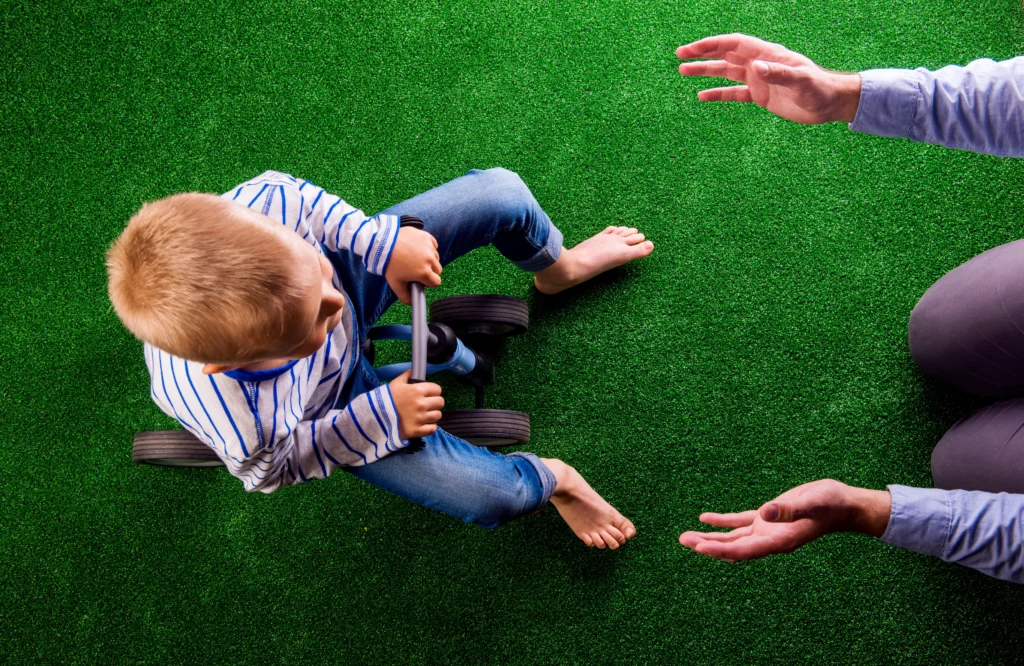
The human brain is interrelated and therefore in early childhood. Every look, every word, every touch on part of a parent establishes the neural patterns of emotional intelligence and trust. Neuroscience has proven that the regular affectionate availability can even physically change the brain of a child to respond to stress, safety and relationships. This makes attachment not only an emotional concept, but a biological concept that lies in the core of the Holistic Child Development. Knowledge of Attachment With Neuroscience. The emotional linkage that forms between the child and its parent is referred to as attachment and arises as an outcome of day to day attention and empathy. When a child is calm, secure, and open, then the brain will generate serotonin and oxytocin which are the chemicals linked to serenity and joy. It is a supportive family environment that ensures that the limbic system which is the emotional and balancing of the child develops in stability and not in fear. Conversely, the unpredictable care activates processes of stress, which the brain learns to be awake rather than being in a relaxed state. This is the reason the presence in daily life is more important than each of the parenting acts. Children and EI: The Reason to Be Emotionally Intelligent. The process through which a child develops emotional intelligence in child development begins when the children see how their caregivers are handling emotions. Parents also display the skill to name and manage emotions by not responding reactively to their children. The more the parent thinks as the child does and ascertains it, the more are the neural pathways strengthened in the sphere of caring and self-awareness. This is a resilience formation of these minor and repetitive experiences. Emotional learning cannot be taught in the lessons, but experiences of lived interactions is the opportunity to receive and understand feelings. Empathy, Respect and Compassion in Parenting. Respectful parenting and Empathy and Compassion Parenting focus on the interpretation of the feeling that a child acts in the manner and do not punish them immediately. This will help the child to feel instead of being judged. Individual parents who act in a manner that makes use of empathy inculcate the same to kids. This helps in building empathy and compassion in young children resulting in creating emotional stability and greater sensitivity to the society. Difficult Times of Parenting Unconditional Love. True growth is made in difficult circumstances. Unconditional Love Parenting means that you have to be emotional even when you are frustrated with the child. This is what neuroscience demonstrates and helps in managing the amygdala of the child, which is the centre of the brain of fear, so that the child becomes less fearful and more trusting. The Practicing unconditional love in challenging parenting situations can include the unconditional love shown by the parents in the challenging situations of parenting by: This type of behaviour informs the brain of the child: love is not withheld in a time of stress. This, with time, reinstates emotional memory which is a lesson in security and not fear. Family Relationship and Day to Day Companionship. Small repetitive gestures of existence are beyond perfection. Activity in a group like meals, reading or a weekly Family Meeting helps children develop association of being attached with being safe. It is the mirror neurons of the brain that are involved in these instances and that the parent-child emotions are aligned. Teamwork and knowledge is generated through this spirit of togetherness. The formation of long-term wellbeing is built at the level of families that make a conscious slowdown and devote time to each other that forms the neural conditions. Trust happens to be the design of presence. Conclusion Attachment is not an event it is the science of day-to-day connection. Parents not only influence the emotional level but the brain also organises itself with the help of empathy, respect, and Unconditional Love Parenting. The process of developing the child holistically involves minute gestures of consistent love in order to establish neural interconnections and emotional security. Having that, parents do not just create a child, they create that child brain to learn to love, to trust and prosper as well. Visit Vedandi Brahambhatt on Instagram and YouTube to read daily posts, tips on mindful parenthood and professional advice on how to bring up an emotionally balanced child. FAQs What is the neuroscience behind attachment?The trust and the emotional intelligence in child development of the early childhood is enhanced because the parts of the brain involved in safety and regulation are triggered by the attachments. How does the presence affect the development process of a child?Connexion also assists in the construction of neural networks that govern emotions and the level of stress and improves wellbeing over the long run. What do we mean under respectful parenting?It is an approach technique that entails compassion, communication, and comprehension in a bid to make children feel that they are treasured and secure. How can children in families be empathised?In order to express empathy, involve in collective activities, listen and encourage open communication during Family Meeting and family interaction.Is unconditional parenting love relevant?Even during the conflict, stable love reforms the brain to enable it to adjust to the strength and trains children on the idea of being emotionally stable through Unconditional Love Parenting.
Addressing the myth of “doing it right” and embracing progress over perfection.

Contemporary parenting can be described as a trial. Parents compare with others, they make impossible ideals projected by the society, social media and even themselves. The reality is that we can never have an ideal parent. The real thing that is important is mindful parenting, the fact that one can remain present, self-aware, and empathetic when parenting a child. Once the pressure of doing things right is taken off, we create room to develop, bond, and be true in our relationships with our children. What Does Progress Over Perfection Have to Do with Parenting? Progress over perfection implies that parenting is not a perfect act, rather it is a lifelong process. Errors do not turn you into a bad parent, but humans are. Practising Parenting with Intentionality ensures that everything you do is not on autopilot. Rather than attempting to correct all the situations, be available, thoughtful, and receptive. This model establishes emotional security and trust as the children are shown that love is not about being perfect, but being present and being honest. The Self-Awareness in Parenting. Conscious growth as a parent is based on self-awareness. It enables you to be aware of what in your life excites your emotions, and in what way to respond, but not to react. You, with the help of the Self-Awareness Parenting, can detect any beliefs or patterns that have been inherited and have become outdated in your relationship with your child. Do some basic Self-awareness exercises for better parenting to become more parenting effective write in your journal after a bad day, stop yourself before you respond or talk about your feelings. Such practises will make you stay calm and in touch with yourself even during very overwhelming situations. Children acquire emotional intelligence when the parents demonstrate self-awareness. They learn to recognise feelings and fail to make mistakes in an empathetic way instead of a shameful way. Parenting With Perfection, Empathy and Compassion. Children do not need good parents, but sensitive ones. Empathy and Compassion Parenting makes you look past the behavior and the need or emotion behind it. As an example, a tantrum can no longer be disobedience, it can be a cry to comprehend. Once empathy is your new set point, your house is no longer a house of correction. Children grow in environments where they are comfortable to fail, express and learn. Disbusting the Myth of Doing It Right. The parenting myth is based on comparison and fear. Each child and family situation is different. What may work in one situation may not work in another situation. By concentrating on improvement, you end up being liberated from the phantasm of control. Parenting is no longer about showing but developing together. It is not about knowing it all but about being there when needed, despite the hard times. Every error will be a chance to build the resilience and emotional strength model. Conclusion The mothering process is not a performance, it is a relationship which is developed through presence and awareness. By adopting progress and not perfection, you will be opening the gateway to mindful parenting that is based on empathy, self-awareness, and compassion. Every day, you have an opportunity to be more Parenting with Intentionality and amuse Growth, not only your own but also your child. Stop being a perfectionist about doing it right and start the beautiful, ugly process of becoming a mindful parent. Visit Vedandi Brahambhatt on Instagram and YouTube to read daily posts, tips on mindful parenthood and professional advice on how to bring up an emotionally balanced child. FAQs What is mindful parenting? It is the habit of being available, attentive and non judgmental when dealing with your child and not trying to control his emotions, but to understand. What is the purpose of self-awareness among parents? It assists parents to identify patterns of emotions and react in a calm manner to improve communication and emotional stability in the house. What are low-level self-awareness activities towards effective parenting?Attempt to spend time journaling every day, take time to react and ponder on the emotional triggers after a difficult episode with your child. A description of Parenting with Intentionality?It is being intentional and conscious about raising children rather than an automatic reaction.What will be the effects of empathy on parenting?Empathy enables you to feel what your child is feeling and this enhances trust and an emotional secure environment is formed.
The Conscious Parent’s Journey: From Reactivity to Reflection
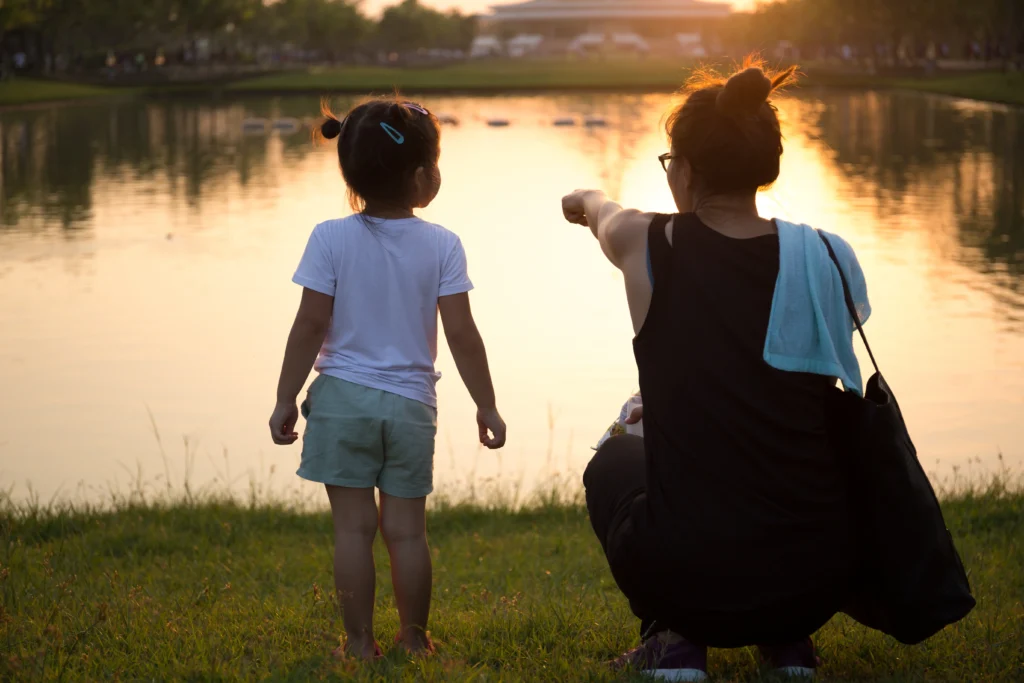
Parenting is full of difficult situations that are prone to induce reactions of impulses based on frustration or stress. As these impulsive reactions are shifted to a reflection, mindfulness, and intentional space, this parent and child relationship is altered. What it has brought is increased harmony, knowledge and a basis to lifelong development. Vedangi Brahmbhatt is an expert in child development who takes families throughout the USA through this conscious journey. In this blog, conscious parenting is demonstrated to be the difference between reaction and reflection, which enables parents to develop empathy, patience, and strong relationships. 1. The Emotional Patterns and Triggers. Awareness is the first step. Parents tend to repeat the patterns they experienced when growing up responding to unresolved emotions or stress triggers. Mindfulness and self-reflection are the means by which conscious parents should be taught to identify such triggers. By using tools like mindful parenting and nonviolent communication, they can pause before reacting. This enables purposeful and relaxed responses that shape emotional control among children. It also serves as a good example in the play and daily interactions of the toddler. 2. Cultivating Active Listening and Empathy Through Family Meetings Connection is enhanced through reflection. Active listening will allow parents to hear not only words but also hidden emotions and desires. Regular family meetings give a structured space for this deep listening and open dialogue. The habit cultivates empathy, lessens misunderstandings, and solves conflicts amicably. It also provides the children with a voice, where they are invited to take part in family decision-making and establish mutual respect and co-creation. 3. Creating a resiliency strategy and holistic development with conscious co-parenting. The conscious style extends the single parenting scenario to the entire family. In cases where conscious co-parenting is applied, the parents will be backing each other to grow and will provide consistent environments that promote the growth of children. By applying reflection and intentional communication, families promote holistic child development—emotional, social, cognitive, and moral growth. Such activities create strong ties, improved relations, and emotional health among all. Conclusion: Transform Your Parenting Journey with Reflection and Mindfulness The conscious parent’s journey from reactivity to reflection benefits every family member. Knowing, feeling, and actively practicing allow you to establish the foundation of further bonding, tolerance, and strength. For personalized guidance on mindful parenting and co‑parenting, explore Vedangi Brahmbhatt’s consultations, resources, and courses. Don’t miss following us in Instagram, and YouTube to get continuously inspired and get advice of professionals. This is my hint: When a difficult parenting situation occurs and you are likely to react, squeeze three deep breaths in between the reaction, they give you time to think and relax. To be informed of the latest updates and press releases, please visit this page.The skills of Vedangi Brahmbhatt enable parents to think mindfully. Education and community Visit vedangibrahmbhatt.com to support and be educated on your conscious parenting journey.
Parenting an Anxious Child: Conscious Strategies for Support

Rearing a nervous child is difficult and more so when a child is filled with worry and fear about daily life occurrences. The feeling of anxiety among children is becoming a widely accepted phenomenon that should be understood, empathized with, and addressed with sound solutions. To those families in the USA who are going through this process, having a mindful approach to the process will turn challenges into a growth opportunity. Vedangi Brahmbhatt is an established child development expert, who assists parents in their quest to be the responsible parent by creating empathy, clear communication, and order in their family life. This blog provides practical and heart-based ideas on how to support and empower your anxious child and achieve family harmony. 1. Create a Safe and Predictable Environment with Routine and Toddler Activities Anxious children perform well in situations where they are familiar with them. Creating routine schedules and foreseeable activities with toddlers, can also decrease instability that causes anxiety. Regular meal times, play and rest create a comforting rhythm of structured days. Provide areas of silence where children may escape when they are overwhelmed. Such little forms of predictability give the foundation to emotional stability and also assist in raising emotional control children require. 2. Practice Nonviolent Communication and Active Listening Parenting Fearsome children do not feel visible or comprehended. Nonviolent communication should assist parents to convey understanding without judging them and allowing the children to feel safe to share their fears. This connection is further enhanced by active listening parenting wherein parents do not ignore feelings. The use of family meetings provides a platform where there can be unrestricted discussions and shared problem-solving. Through these practices children also learn to express themselves and this is important in dealing with anxiety and gaining self confidence. 3. Integrate Mindful Parenting and Positive Discipline Strategies Mindful parenting will enable the parents to be attentive and responsive without falling into anxiety traps. The use of modeling calmness allows children to learn how to control themselves. Positive discipline strategies, like rewarding the effort and cooperation of toddlers, instill the feeling of accomplishment instead of shame and fear. Cultivating the holistic development of the child implies a balance between cognitive, emotional and social development with the care – such as in creative play, movement or art that is attuned to the principles of mindful, conscious parenting. Conclusion: Empower Your Anxious Child with Conscious Compassion To bring up an anxious child, a person needs to be patient, alert and implement enlightened methods that lead to recovery and development. Reflective practices, interaction and conscious punishment make children self-reliant and bond family members. The customized counseling provided by Vedangi Brahmbhatt provides special advice to overcome anxiety with love and professionalism. Do not forget to subscribe to us on Instagram, and YouTube to be informed of useful information and parenting tips. Here is the tip: Do mindfulness exercises with each other at the same time every day, such as deep breathing or visualizing, to establish the state of calmness and connectedness. To see our recent press releases as well as the news, visit our recent press releases. Visit vedangibrahmbhatt.com for courses, books, and consultations to support your mindful parenting journey with love and expertise.
How to Foster a Growth Mindset in Children

It takes more than imparting facts and skills as a parent, it is about raising how children think about things, learning, and themselves. The habit of cultivating a growth mindset among children, the sense that skills are developable through practice and education, prepares resiliency, curiosity, and lifetime achievement. To parents, and particularly to mindful parents, this attitude is a powerful gift that can influence even toddlerhood activities down to schooling and relationships. Vedangi Brahmbhatt, who is a professional development expert in child development, assists families in the USA to raise conscious and nurturing homes in which children can develop holistically. Find below practical ways of promoting a growth mindset within your family. 1. Encourage Effort Over Outcome Being willing to appreciate effort over short-term success is one foundation of a growth mindset. Rather than applauding only results such as good grades or trophies, encourage the process itself- hard work, persistence and problem solving. Provide positive reinforcement when a toddler is engaged in an activity or performing homework. Compliment things such as, I can see that you are trying so much, or It is alright to get it wrong, that is how we learn. Such a change in language makes the children realize that learning is a process rather than a product. 2. Model Resilience and Emotional Regulation Children learn through observing their parents. When you overcome obstacles in a cool and patient manner, you demonstrate key skills in life. Emotional regulation that kids require practicing entails remaining realistic in times of family tragedies and personalizing feelings by employing resources such as nonviolent communication. Beneficial elements such as family meetings in which everyone talks about the positive things accomplished, challenges, and plans can also help build resilience and connectedness. This is also an active listening parenting model, and every family member would feel appreciated and understood. 3. Create a Holistic Environment for Learning and Growth Nurturing the environment not only aids intellectual development but also emotional and social development- the tenets of holistic child development are considered. The motivation is created by designing challenging activities for toddlers that build the skills gently and at the same time encourage creativity. Also, the adoption of positive strategies of discipline on toddlers to instill autonomy and self-control will remind the child that hard work results in development. Parents can be provided with effective methods of maintaining this positive environment by investing in the best parenting books and learning how they could apply the conscious parenting methods in their homes. Conclusion: Inspire Lifelong Growth with Mindful Parenting Nurturing the growth mentality will enable the children to take risks, learn to make mistakes, and live well as curious people. It is through conscious parenting styles adopted by parents that foster such attributes as they build strong and sensitive family relationships. To have individual assistance on child development guidance, explore Vedangi Brahmbhatt consultations, classes, and resources that are offered to conscious parents. Don’t forget to subscribe to us on Instagram, and YouTube to learn more about parenting and get inspired. Daily Tip: Find joy in little things and think about what has been learnt instead of merely accomplishment. This mere practice strengthens growth mindset thinking. To get in touch for our latest news and press releases, follow this link.Visit vedangibrahmbhatt.com for expert guidance and resources to raise resilient, curious, and confident children. #The Connection Between Mindfulness and Peaceful Parenting.
Conscious Co-Parenting After Divorce or Separation
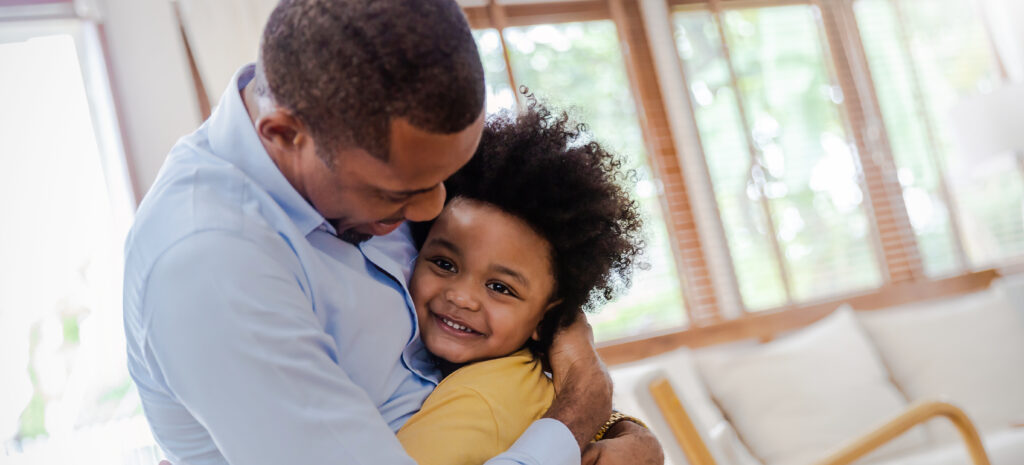
Introduction Divorce or separation is normally one of the hardest transitions in life that causes emotional turmoil and shifts among all members of the family. It is understandable that parents would be concerned about the effect on the children. However, with a deliberate co-parenting, you can develop stability, empathy and resilience- and the well-being of your child has to be the priority. The road can be varying in every family, however in Vedangi Brahmbhatt, we provide parents throughout the USA with time tested, understanding approaches in the peaceful post-divorce parenting. 1. Prioritize Nonviolent Communication and Active Listening The relationship that a co-parenting relationship can be built on is that of nonviolent communication. Despite the separation, it is still possible to communicate with your co-parent in a sensible way before placing the respect and needs of your child first. Active listening parenting leads to improved tension-free communication between both adults and children as well as understanding of each other. Family meetings (meetings even when parents live in different houses) are among the supports, which permit the open communication possibilities and enable children to share their emotions regarding transitions. The exchange of information regarding school, everyday life and even the activities of toddlers makes sure that the children feel secure and assisted regardless of their location. 2. Support Emotional Regulation for Kids and Adults In case of divorce, children usually have problems with depressive and happy moods. As the conscious parent it is good to make kids learn the necessary emotional regulation kids require not only with words, but also with serenity in energy and stable routine. Security and confidence are developed through mindful transitions between homes, justification of how children feel and predictability in the discipline such as positive discipline (instead of punishment) with toddlers. Self-care and emotional regulation are also important when it comes to adults. Use the work of professional resources and best parenting books as a tool and validation. In some cases, consulting a child development expert would be helpful in offering specific assistance to special family situations. 3. Foster Holistic Child Development with Consistency and Collaboration The healthy post-divorce families are dedicated to the process of full child development, not merely emotional, but cognitive, social, and physical. Regular anticipations on either side (such as how to use screen time, eat, and sleep) reduces the ambiguity in children. In states like Conscious Co-Parenting NJ, the success of co-parents has been achieved through the reduction of differences in routines, rules, and even holiday routines. Exchanging materials about the methods of co-parenting that can be adopted at home and frequent visits between parents can facilitate the difficulties and establish mutual trust. Conclusion: Divorce is a chapter, and not the story. Through caring, dialogue, and mindfulness, one can establish a base of happiness, recovery, and development by the co-parenting process. When children grow up with love, predictability and the consistent availability of parents who are concerned with them, they thrive. Vedangi Brahmbhatt has specialized consultations which enable families to flourish post transition. Also, keep in mind to follow us on Instagram, and YouTube in order to get continuing tips and resilience stories. Hint: Tally a co-parenting journal- exchange notable ideas, times and experiences between homes to make the life of your child as smooth as possible. To see our most recent press releases, please visit the following address:To learn more and start your healing co-parenting journey, visit vedangibrahmbhatt.com and explore our resources, courses, and consultation services.