

Parenting Through Inner Healing: What Your Child Is Teaching You
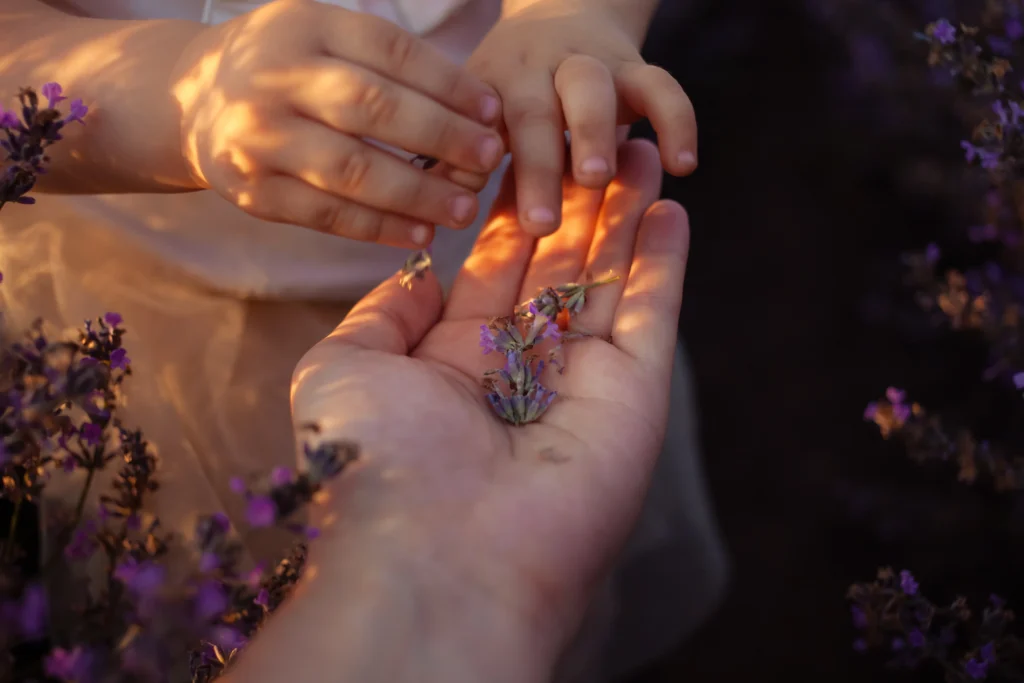
A Conscious Parent’s Journey Toward Growth There is a moment many parents don’t talk about. It’s not the cute first steps or the first day of school.It’s the moment your child’s behavior triggers something in you — anger, helplessness, shame, impatience — and you realize the reaction feels bigger than the situation. That moment is not failure. It is feedback. As a Child Development Specialist, I have seen that children often mirror the emotional work we haven’t yet done. Parenting becomes less about controlling behavior and more about healing patterns. This is the heart of mindful parenting, understanding that raising a child also means raising ourselves. Across the United States, more parents are exploring emotional awareness, therapy, and Holistic Child Development. The shift is powerful: we are moving from reactive parenting to reflective parenting. Let’s explore what your child might be teaching you. 1. Your Triggers Are Clues, Not Character Flaws If your child’s tantrum feels unbearable, ask yourself:“What does this remind me of?” Many adults were raised in environments where emotions were dismissed or punished. So when our child cries loudly or expresses anger freely, it can feel threatening not because it is wrong, but because it’s unfamiliar. This is where the conscious parent pauses. Instead of:“Stop crying right now.” Try:“I notice I’m feeling overwhelmed. Let’s both take a breath.” This shift models Emotional Regulation Kids need to learn. Research from Harvard’s Center on the Developing Child shows that children build emotional resilience through co-regulation with calm adults. If you’re wondering about the Benefits of mindful parenting for child development, studies show that emotionally attuned parenting lowers anxiety, improves academic performance, and strengthens long-term attachment. Your child is teaching you emotional presence. 2. Repair Is More Powerful Than Perfection We all lose our patience sometimes. Inner healing does not mean never reacting it means returning and repairing. After a heated moment, say:“I shouldn’t have yelled. I was frustrated, but I’m working on responding differently.” This models accountability and aligns with Nonviolent Communication where we express feelings without blame. Through Active Listening Parenting, children learn that conflict doesn’t break connection. It deepens it. Families who practice conscious co-parenting often find that when caregivers repair openly, children feel safer and sibling relationships improve as well. For parents exploring Conscious Co-Parenting NJ, consistent emotional language across households significantly reduces behavioral tension. When we repair, we teach resilience. 3. Your Child Reflects the Environment, Not Just Their Personality Many parents ask:“Why is my child so emotional?” Often the better question is:“What is happening in our emotional ecosystem?” Children absorb stress — work tension, marital strain, digital overload, rushed mornings. CDC data shows rising emotional dysregulation trends among children post-pandemic, linked to household stress levels. That’s why How to implement conscious parenting techniques at home matters deeply. Simple practices create profound shifts: These small rituals strengthen Holistic Child Development by integrating emotional, social, and cognitive growth. If you’re exploring Positive discipline strategies for toddlers, remember: discipline means teaching, not punishing. It is guidance, not fear. Your child’s behavior is often communication. Real-Time Reflection: The Parent’s Inner Work Across the U.S., parenting culture is shifting. More families are seeking support through coaching, therapy, and Best Parenting Books. There is increasing awareness that breaking generational patterns requires courage. When you feel triggered by your child’s independence, defiance, or big feelings, it may be revealing: Parenting becomes an invitation to examine those beliefs. This is the deeper layer of mindful parenting. A Personal Reflection I often tell families: your child is not here to obey you. They are here to grow — and to help you grow. The moments that stretch you are not interruptions. They are instruction. When your child refuses to share, they may be teaching you boundaries.When they cry loudly, they may be teaching you emotional honesty.When they question rules, they may be teaching you flexibility. This is the quiet transformation of the conscious parent. Conclusion: Healing Alongside Your Child Parenting through inner healing is not about becoming perfect. It’s about becoming aware. Here’s a simple practice you can begin today:The next time your child triggers you, pause and ask yourself,“Is this about them or is this touching something older in me?” That question alone can transform your response. If this resonates, explore our consultation services and learning resources at https://vedangibrahmbhatt.com/ to deepen your journey. Follow us on Instagram and YouTube, for ongoing insights into conscious parenting and emotional development. Don’t forget to follow us on Instagram and YouTube for more practical tools and thoughtful conversations. For the latest news and updates, click here to view our recent press releases and stay connected with our evolving work. Your child is not just growing up.They are growing you. And that is one of the most sacred parts of parenting.
From Bully to Bestie: How to Help Your Kids Develop a Kindness Toolbox

In today’s fast-paced world, fostering kindness and empathy in children is more crucial than ever. As parents and caregivers, we play a pivotal role in guiding our children toward understanding and practicing compassion. By equipping them with a “kindness toolbox,” we can transform potential negative behaviors into positive interactions, helping them evolve from bully to bestie. Understanding the Importance of Kindness Kindness is more than just polite behavior; it’s a fundamental aspect of holistic child development. Children who learn to be kind from an early age are more likely to develop strong social connections, exhibit better mental health, and contribute positively to their communities. Teaching kindness also enhances emotional regulation in kids, allowing them to manage their feelings effectively and respond to others with empathy. Building the Kindness Toolbox Developing a kindness toolbox involves integrating various strategies and activities that promote empathy, compassion, and positive social interactions. Here are some effective approaches: 1. Model Kind Behavior Children learn by observing adults. Demonstrate acts of kindness in your daily life, whether it’s helping a neighbor or expressing gratitude. This sets a powerful example for your children to emulate. 2. Engage in Role-Playing Scenarios Role-playing different situations can help children understand the impact of their actions. For instance, acting out scenarios where someone is being left out can teach them to recognize and address exclusion. This method aligns with active listening parenting, encouraging children to listen and respond thoughtfully. 3. Introduce Kindness-Focused Activities Incorporate activities that promote kind-heartedness into your routine. For younger children, toddler activities like sharing games or cooperative play can be beneficial. For older kids, community service or creating “kindness cards” for classmates can instill a sense of empathy. Resources like the School of kind-heartedness offer a variety of activities suitable for different age groups. 4. Utilize Educational Tools Books and media play a significant role in shaping a child’s understanding of kindness. Selecting literature from the best parenting books that focus on empathy and compassion can reinforce these values. Additionally, educational programs like the “Learn With Sesame Street” app are designed to help children develop emotional well-being and early learning skills, teaching them about emotions, friendship, and daily routines through engaging activities and stories with beloved characters. 5. Practice Mindful Parenting Being present and attentive to your child’s needs fosters a nurturing environment. Mindful parenting encourages parents to respond rather than react, promoting a calm and supportive atmosphere that naturally cultivates kindness. 6. Implement Nonviolent Communication Teaching children to express their feelings and needs without aggression is crucial. Nonviolent communication techniques can help them articulate their emotions and understand others’ perspectives, reducing conflicts and promoting empathy. 7. Conduct Regular Family Meetings Holding family meetings provides a platform for open communication. Discussing experiences, addressing concerns, and planning toddler activities together can strengthen family bonds and reinforce the importance of kindness within the household. The Role of Schools in Promoting Kindness Educational institutions also play a vital role in nurturing kindness. For example, France has mandated the teaching of empathy in primary schools to address rising individualism and bullying. The curriculum includes identifying emotions and responding empathetically, thereby fostering social skills and self-esteem. Conclusion Equipping children with a kindness toolbox is an ongoing process that requires dedication and consistency. By modeling kind behavior, engaging in empathy-building activities, and fostering open communication, we can guide our children toward becoming compassionate individuals. Tip: Encourage your child to perform one act of kind-heartedness each day, no matter how small. This practice can significantly enhance their empathy and understanding of others.For more insights and resources on fostering kindness and empathy in children, don’t forget to follow us on Instagram, and YouTube.
Gratitude: Cultivating Thankfulness in Children

Gratitude is a powerful emotion that fosters happiness, strengthens relationships, and encourages emotional resilience. Teaching children to express appreciation from a young age helps them develop empathy and a deeper sense of connection to the world around them. While gratitude is often emphasized during the holiday season, it’s a practice that should extend beyond birthdays and Christmas. By incorporating mindful parenting techniques and engaging in thoughtful activities, you can help your child develop a lifelong habit of gratitude. Here’s how to make thankfulness a natural part of their daily life. Why Gratitude Matters in Child Development Gratitude is more than just saying “thank you”—it’s about recognizing and appreciating kindness, experiences, and the people who contribute to our lives. Research in holistic child development shows that children who regularly practice gratefulness experience: As a child development specialist would emphasize, fostering gratitude helps kids develop empathy, patience, and a positive mindset. Encouraging Gratitude After Birthdays and Holidays While birthdays and Christmas bring excitement, they can also create an expectation of receiving rather than giving. Here are some simple ways to shift the focus from gifts to gratitude: 1. Write Thank-You Notes Encourage children to write or draw thank-you notes for gifts they receive. This not only strengthens writing skills but also helps them acknowledge the thoughtfulness of others. 2. Gratitude Reflection Time After a special event, hold a family meeting to discuss the highlights of the day. Ask your child: 3. Giving Back Together Engage in activities that focus on giving rather than receiving, such as donating old toys or making handmade gifts for friends and family. This reinforces the idea that gratitude isn’t just about saying thanks—it’s about sharing kindness. Age-Appropriate Gratitude Activities For Preschoolers (Ages 3-5) For Elementary-Aged Kids (Ages 6-10) Final Thoughts: Creating a Gratitude-Focused Home Gratitude is a habit that can be nurtured through daily practice. By implementing positive discipline strategies for toddlers and emphasizing the benefits of mindful parenting for child development, parents can raise children who are appreciative and kind. For more tips and expert advice, follow us on Instagram and YouTube for engaging content on parenting strategies. Tip: One simple way to encourage gratitude is to model it yourself! Express appreciation for small things in everyday life—your children will follow your lead. For the latest news and updates, click here to view our recent press releases and stay informed. Let’s raise grateful, kind-hearted children—one thank-you at a time.