

Parenting Through Pain: Healing Yourself While Raising Your Children
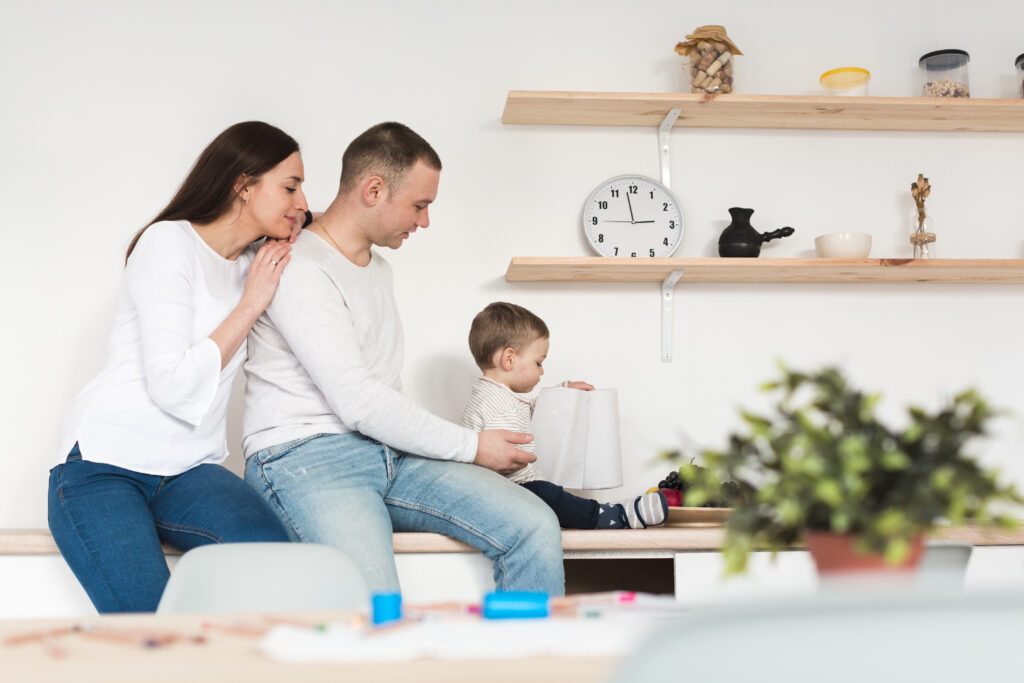
Parenthood has a remarkable way of revealing past wounds we may not even realize we carry. It’s common for unresolved childhood trauma to resurface when we become parents ourselves, as interactions with our children can often trigger memories of pain and hardship. Understanding and processing these triggers is essential, not just for our personal healing, but for the well-being of our children. Parenting through pain is about recognizing the emotional scars we bring into our parenting journey and taking active steps to break the cycle. It’s about being mindful of our reactions, understanding why we feel triggered, and ensuring that our unresolved emotions don’t negatively affect our children’s development. Recognizing Triggers The first step in parenting through pain is learning to recognize your triggers. These are moments when your child’s behavior evokes strong emotional reactions that feel disproportionate to the situation at hand. For example, your child might have a meltdown over a minor issue, and you suddenly feel overwhelmed by anger or sadness. These emotions may stem from unresolved issues from your own childhood—perhaps feelings of being unheard, unsupported, or even abandoned. Acknowledging these triggers doesn’t mean blaming yourself for having them. In fact, becoming aware of them is a powerful first step toward healing. Conscious parenting teaches us to be fully present and to understand the motivations behind our behaviors, helping us to react in a way that fosters growth for both ourselves and our children. Why Triggers Happen Triggers often occur because our children’s experiences mirror situations from our own childhoods. When your child experiences a struggle or an emotion that resonates with your past, it can unconsciously bring up unresolved grief or trauma. For instance, if you grew up feeling neglected, your child’s need for constant attention might trigger feelings of frustration and inadequacy in yourself. In these moments, it’s crucial to pause and reflect on what’s truly happening. Are you reacting to your child’s behavior, or is your response influenced by unresolved pain from your own past? This self-awareness can help prevent emotional reactions from becoming harmful to your relationship with your child. Grieving With Your Kids One of the most powerful aspects of healing while parenting is learning how to grieve with your children. Parent-child bonding often deepens when you allow yourself to be vulnerable and share your emotions in an age-appropriate way. This doesn’t mean overwhelming your child with your trauma but rather modeling healthy emotional expression. For example, if you’ve had a difficult day and feel sadness or frustration bubbling up, it’s okay to say something like, “Mommy is feeling sad right now, but it’s okay. Everyone feels sad sometimes, and we can talk about it.” This not only shows your child that it’s normal to have big emotions but also that it’s healthy to talk about them. This kind of openness fosters emotional intelligence and helps your child learn to navigate their own feelings in a supportive environment. Tips for Healing While Parenting Final Thoughts Parenting through pain is challenging, but it also offers an incredible opportunity for growth. By understanding your triggers, grieving in healthy ways with your children, and practicing self-compassion, you’re not only healing yourself—you’re also modeling resilience and emotional intelligence for your children.If you’re looking for more tools and insights on this journey, don’t forget to follow us on Instagram and YouTube, where we share expert advice, practical tips, and resources to help you become the best parent you can be. Healing is a journey, but you don’t have to walk it alone. Together, we can foster healthier, more mindful parenting relationships that nurture both ourselves and our children.
Protecting Your Marriage in the Midst of Parenthood

Parenthood is a beautiful journey, but it can sometimes overshadow the relationship that started it all—your marriage. It’s easy to become consumed by your child’s needs and, without realizing it, place your marriage on the back burner. While a child-centered home might sound ideal, when the marriage suffers, so does the child. A strong spousal relationship is the foundation for a healthy family, and protecting it during the busy season of parenting is essential for both your marriage and your child’s well-being. Why Protecting Your Marriage Matters Children thrive in environments where they witness love, respect, and cooperation between their parents. Mindful parenting teaches us to focus on emotional awareness and nurturing our children’s needs. But how can we effectively parent if we aren’t nurturing the most important relationship in the family? Studies show that marital satisfaction significantly affects not only the parents’ well-being but also the emotional stability of the child. Therefore, a healthy marriage is just as essential as family well-being. Tips for Protecting Your Marriage While Parenting Prioritize Communication: Amid the chaos of parenting, finding time to talk can feel impossible. But it’s essential. Scheduling regular check-ins with your spouse can help both of you stay on the same page. Whether it’s discussing parenting approaches, dividing household duties, or just sharing your thoughts and feelings, open communication is crucial for protecting your relationship. These regular chats also serve as a family meeting between you two, reinforcing the foundation of your partnership. Schedule Date Nights: Just because you’re parents doesn’t mean date nights are a thing of the past. Protecting your marriage requires intentional time together. Find a babysitter or swap kid-free time with another family and get out of the house! Whether it’s a quiet dinner, catching a movie, or simply taking a walk, spending one-on-one time strengthens your bond and allows you to reconnect as a couple. Set Boundaries Between ‘Parent’ and ‘Partner’: It’s easy to lose your identity as a partner when you’re deep in the trenches of parenting. While your role as a parent is important, it’s vital to set boundaries and allow time for your role as a partner. You’re still two individuals in a relationship outside of your parenting responsibilities. Acknowledge this with small gestures—like leaving each other notes, sharing a cup of coffee before the kids wake up, or simply asking how their day was. These small moments add up and remind both of you that your relationship matters. Share the Load: Parenting is a team effort. Dividing and conquering tasks—whether it’s school runs, meal preparation, or bedtime routines—helps alleviate stress and prevents one partner from feeling overwhelmed. A conscious co-parenting approach ensures that both parents are actively involved, making the relationship feel more balanced. This teamwork reinforces the fact that you’re not only partners in parenting but also in life. Remember the Long Game: Kids grow up fast, but marriages are intended to last a lifetime. During the most challenging days, remind yourselves that you’re in this together for the long haul. The challenges you face today will pass, but the bond you build by working through them will strengthen your marriage in the future. Learn and Grow Together Parenting is an evolving journey, and it can help if both you and your spouse continue learning together. Whether it’s reading parenting books, attending workshops, or taking child development classes online, growing together as both partners and parents strengthens your marriage. This is also a great opportunity to model lifelong learning and collaboration for your children. Explore Our Resources If you’re looking for more support in balancing parenting and marriage, we’ve got you covered. Our website offers a variety of resources, including parenting tips, articles on conscious parenting, and tools to help you maintain a strong partnership while raising children. Additionally, don’t forget to follow us on Instagram and YouTube for ongoing tips, tools, and insights that will empower your parenting journey while keeping your marriage strong. These platforms offer real-life examples, practical advice, and expert interviews that can help you maintain balance. Final Thoughts Your marriage is the bedrock of your family. By protecting your relationship during the busy parenting years, you’re not only ensuring a strong connection with your spouse but also modeling a healthy partnership for your children. Prioritize communication, make time for each other, and remember that while parenting is important, your marriage deserves care and attention too. Start small—schedule a date night, send a loving text, or check in with your spouse today. You’ll be surprised at how these simple acts can transform your relationship and strengthen your family dynamic.Ready to take the next step in protecting your marriage? Visit our website for more tips and resources, and don’t forget to follow us on Instagram and YouTube for practical advice that will help you nurture your marriage while raising a thriving family.