

How to Build Your Child’s Self-Confidence Without Praise Dependency

“Good job!“ You say it twenty times a day. You did not plan to. It just comes out, every time your kid hands you a drawing, finishes a puzzle, walks down a step on her own. Your mother said it. Your friends say it. The teachers at the preschool say it. It feels like the opposite of the criticism many of us grew up with, which is the whole point. Then your four-year-old finishes a tower and looks at you. Waiting. She is not waiting because the tower is impressive. She is waiting because she does not know what she thinks of it until you tell her. That is the moment many child development researchers and psychologists have encouraged parents to pay closer attention to. Building confidence in children was supposed to be the goal. In some cases, children can become overly dependent on external praise instead. The Problem With “Good Job” The praise itself is not the issue. The pattern is. When every action a child takes is immediately evaluated by the parent, the child may begin looking to others to evaluate their efforts before forming their own opinion. They may have fewer opportunities to develop an internal sense of satisfaction and self-evaluation that says “I tried hard on that” or “I liked how that came out.” They develop the voice that says “What does Mama think?” Over time, this becomes a kind of brittle confidence. The child looks confident when adults are around to confirm. They wobble badly when adults are not. Over time, this may show up as perfectionism, fear of failure, or frequent approval-seeking. The fix is not to stop saying anything kind. The fix is to shift what you say. What Real Self-Confidence in Children Looks Like Real self-confidence is not loud. It is quiet, internal, and resilient. A child with real self-confidence: 1. Tries hard things even when the outcome is uncertain 2. Recovers from mistakes without needing reassurance 3. Has opinions and shares them, even when they differ from yours 4. Does not need permission for the small choices in their own life 5. Feels comfortable spending time independently without constantly seeking reassurance. These five together are what we are actually trying to build. An overreliance on praise can make some of these qualities harder to develop. In fact, it works against most of them. The Three Categories of What to Say Instead Once you see the pattern, you can replace praise with three more useful kinds of language. Category 1: Describe What You See Instead of “Good job,” describe specifically what the child did. 1. “You used three different colors in this drawing.” 2. “You worked on that puzzle for twenty minutes.” 3. “You climbed all the way to the top this time.” Description does two things. It tells the child you actually paid attention. And it helps children notice and describe their own efforts and choices. Category 2: Ask What They Think Instead of evaluating, invite their evaluation. 1. “How do you feel about how it turned out?” 2. “What part is your favorite?” 3. “Would you do anything differently next time?” For many families, this is one of the most powerful shifts they can make in positive parenting around confidence. You move from being the judge to being the curious witness. The child develops the internal voice they were missing. Category 3: Name the Effort and the Strategy Praise the process, not the outcome. This is the well-known Carol Dweck shift, and it holds up in real households. 1. “You kept trying even when it was hard.” (effort) 2. “You figured out a new way to balance the blocks.” (strategy) 3. “You asked for help when you needed it.” (process) Research suggests that recognising effort, strategy, and persistence can encourage children to embrace challenges and develop resilience. What This Looks Like in Real Moments Moment “Good job!” version Confidence-building version Kid finishes a drawing “That’s beautiful!” “You used so many colors. Tell me about it.” Kid scores in a game “Great goal!” “You stayed with the ball even when he was close. What did that feel like?” Kid finishes a tough puzzle “Smart girl!” “You tried that piece in four spots before it fit. You didn’t give up.” Kid shares with sibling “Good sharing!” “I noticed you let him use it even though you weren’t done. How did that feel?” Kid tries new food “You did it!” “That was new for you. What did it taste like?” The right-hand column takes a few more seconds. It pays back in years. Common Mistakes Even Aware Parents Make Five patterns I see in conscious parents who already know the praise issue but still slip: 1. Praising appearance constantly. “You look so pretty today.” Over time, this can unintentionally teach children that appearance receives the most attention. Switch to: “I love your bright energy this morning.” 2. Comparative praise. “You’re so much better at this than your friend.” can build confidence through comparison rather than genuine self-belief and connection. Drop the comparison. 3. Praising for things that come easily. A child who is naturally good at something gets praised constantly. Some children may begin avoiding activities where success isn’t immediate. 4. Praising to manage behavior. “You’re being so good!” Used to reinforce compliance, this encourages compliance more than genuine self-confidence. 5. Withholding warmth when not praising. If “good job” is the only warm phrase in your toolkit, removing it feels cold. Replace with description, questions, and named effort, but keep the warmth. The shift takes practice. Two weeks of catching yourself usually rewires the default. Why Praise Dependency Hurts Long-Term When children become heavily dependent on external validation, the effects may become more noticeable later in childhood or adolescence. 1. May contribute to anxiety around decision-making, because the internal voice was never built 2. May contribute to perfectionistic tendencies because performance was always the measure 3. May make it harder to try unfamiliar activities, because failure feels unbearable 4. May encourage excessive
Morning and Bedtime Routines That Improve Child Behavior

Many everyday behaviour challenges are influenced by two key parts of the day: the morning and bedtime routines. When these routines are consistent, many families notice fewer meltdowns, smoother transitions, calmer mealtimes, and less conflict between siblings. Get those two wrong, and even the best parenting strategies become harder to apply when children are consistently overtired or dysregulated. This is the routine piece nobody warned you about. Parenting tips that focus on what you say to your kid often skip what your kid’s body needs. Routines are the body part. Get the body right, and the behavior follows. Why Routines Improve Behavior Many children with predictable daily routines tend to sleep better, transition more easily, and find emotional regulation easier over time. Not because routines are magic. Because the developing nervous system has not yet built the capacity to handle constant unpredictability. Three reasons routines are not optional in early childhood: 1. The developing brain runs on prediction. Every transition without warning costs energy. Every predictable transition saves it. Saved energy goes into learning and regulation. 2. Sleep is one of the strongest foundations of healthy behavior. A tired child is not a misbehaving child. A tired child is doing what a tired child does. 3. Routines build secure attachment. The repeated daily rituals (hand on the back at bedtime, the same wake-up song) are the small deposits that compound into a child who trusts the world. The morning and the bedtime are the two longest unbroken stretches your kid spends with you on a typical weekday. They carry disproportionate weight. The Anatomy of a Morning That Works A working morning has four components, in this order: 1. Predictable Wake (10-15 minutes) The wake up should not be an alarm-clock-jolt and rush. For young kids, a soft wake (curtains opened, gentle words, a wake-up song) can help children wake more calmly than any screen or shout. Build in 10 to 15 minutes of slow transition. The kid is not late yet. They have time. 2. Connection Block (5-10 minutes) Before the morning task list, a small block of connection. Cuddles in bed. A few minutes on the couch together. A short conversation about the day ahead. Five minutes of connection in the morning often reduces resistance later in the routine that comes later in the routine. For many families, this is one of the most valuable moments of connection during the day. 3. Sequenced Task Flow (20-30 minutes) The actual tasks (bathroom, dress, breakfast, teeth, shoes) work better as a sequence than as separate demands. The sequence works because it removes decision points where resistance can land. For preschool-age kids, a visual sequence chart on the wall often works better than repeated verbal reminders, especially for preschool-aged children. 4. Departure Transition (5 minutes) The last five minutes are the highest-risk for meltdowns. Plan for them. What works: 1. A consistent goodbye ritual (the same phrase, the same wave, the same hug) 2. A small object the kid can hold (a “pocket rock,” a tiny photo) 3. A clear next-meeting prompt (“I’ll see you at pickup, after snack time”) The departure ritual matters more than you think. It is the kid’s emotional bridge from home to school. The Anatomy of a Bedtime That Works For many families, bedtime routines have an especially strong influence on the following day. 1. Wind-Down Window (45-60 minutes before bed) Wind-down starts well before pajamas. Lights dim. Screens off (yes, all of them, including yours). Volume drops. Activity becomes calm. This is where most modern families fail. Screens stay on too late. The whole house stays bright too late. The kid’s nervous system may find it harder to wind down for sleep after stimulating screen use. 2. Body Care (15-20 minutes) The physical sequence: bath (if it is a bath night), pajamas, teeth, bathroom. Same order every night. For sensitive kids, many sensitive children benefit from keeping the order consistent. Changing the order can make bedtime more difficult for some children and may lengthen the routine. 3. Connection Block (10-20 minutes) The reading, the cuddle, the conversation. For many parents, this becomes one of the most meaningful parts of the day. Three things that make this block work: 1. Phones off and away (yours, not theirs) 2. Same chair or same spot every night 3. A conversation prompt that gets past “how was your day” (try “What was something funny today” or “What was hard about today”) Many children naturally open up during these quiet bedtime conversations, they will tell you in this block. Show up for it. 4. Goodnight Ritual (3-5 minutes) The final transition. A specific phrase. A specific touch. Lights out. Door at the same position every night. For toddlers and young children, leaving the room is itself a developmental challenge. The ritual is the bridge. Common Mistakes That Wreck Routines Five mistakes observed most often in households where mornings and bedtimes are battlegrounds: 1. Inconsistent timing. Bedtime varies by an hour or more across the week. The body never settles into a rhythm. 2. Parents on the phone during the connection blocks. Children often notice when a parent is distracted. The block stops working. 3. Negotiating the sequence in real time. “Do you want to brush your teeth first or pajamas?” introduces decisions where there should be flow. 4. Background TV or music during wind-down. Even quiet background media can make it harder for children to settle into sleep. 5. Skipping the connection blocks when running late. This is the worst time to skip them. The connection block prevents the resistance that makes you late. Each is fixable in a week. Many families begin noticing small improvements within the first few days of staying consistent. What to Do When the Routine Is Already Broken Most families do not have working routines. They have chaos that everyone has adapted to. Resetting is possible. Here is the 14-day reset. Days 1-2: Audit Write down the actual current morning and bedtime, minute by minute,
How to Set Healthy Boundaries With Children Without Being Controlling

The parents who land on this question usually grew up with too much control. Or too little. Or, somehow, both at different times. You knew before you had kids that you did not want to repeat what was done to you. You read the books. You learned about respectful parenting. You committed to no yelling, no shame, no “because I said so.” Then your six-year-old refused to put on her shoes for the fifth straight morning, and the line between a healthy boundary and being controlling went blurry. So now you swing. Some days you let too much slide. Other days you tighten so hard you sound like your own mother, and the guilt eats your afternoon. This is the most common parenting tension. The fix is not more rules. It is a clearer understanding of what a boundary actually is. Thus, this guide will walk you through all the ways to practically approach such situations. What a Boundary Actually Is in Respectful Parenting In respectful parenting, a boundary is primarily about what you, the parent, will and will not do, rather than trying to control your child’s behaviour. Read that again. It is the whole thing. “You can scream at me. I am not going to listen to screaming. I am going to step into the other room until you are ready to talk in a normal voice.” That is a boundary. It is about you. The kid is free to keep screaming. You are not committed to standing there for it. A controlling instruction sounds different. “Stop screaming right now.” That is an attempt to control the child’s behavior. It is a directive rather than a boundary, and there are situations where clear directives are appropriate. The difference is everything. Boundaries are more likely to hold over time, while excessive control often invites resistance. The Three Layers of Healthy Boundaries Most respectful parenting confusion comes from collapsing three different things into one word. Once you separate them, the daily decisions get easier. 1. Safety boundaries. Non-negotiable. “I will not let you run into the street.” Hold firmly. Use whatever physical or verbal intervention is needed. 2. Family values boundaries. Held with empathy but held. “In our home we do not hit. I will not let you hit your brother.” 3. Personal preference boundaries. Held flexibly. “I would prefer if you wore the green shirt today. You can pick the blue one if that matters more to you.” Mixing these up is what tips parents into controlling. Putting the shirt color into the safety category creates a daily fight. Hitting into the personal preference category abandons your job. Why “Controlling” and “Permissive” Both Fail Two failure modes, opposite ends of the spectrum, same root cause. Both can lose sight of the child’s developmental needs, although in different ways. Controlling parenting: 1. Treats every disagreement as defiance 2. Sees compliance as the measure of good behavior 3. Uses fear, shame, or removal of love to enforce 4. Can increase the likelihood of who are anxious, perfectionist, or quietly resentful Permissive parenting: 1. Avoids conflict at almost any cost 2. Treats boundaries as cruel 3. Lets the child’s emotional state dictate household reality 4. Can increase the likelihood of children who are dysregulated, entitled, or insecure (because limits are part of how safety feels) The middle ground is what we are aiming for. Respectful parenting holds boundaries, kindly, consistently, and from the parent’s own clarity. What This Looks Like in Real Moments Moment Controlling response Permissive response Respectful response Shoes refusal at 8 AM “Put them on NOW or no playground today” “Okay, no shoes today” “Shoes are happening before we leave. You can put them on yourself, or I’ll help you.” Bedtime resistance “Bed now, no story tomorrow” “Stay up as long as you want” “Bedtime is 8. You can choose pajamas or a book first.” Sibling hit “Time out, now” “Try not to do that” “I won’t let you hit. We’re separating for a minute until you can be safe together.” Dinner refusal “Eat or no dessert” “Eat whatever you want” “Dinner is what we made. If you don’t want it, that’s fine. The kitchen closes at 7.” Phone-throwing tantrum “If you do that again, no screens for a week” Hand the phone back “I will not let you throw things. I’m taking the phone for now. We can try again later.” The respectful version names what the parent will do, leaves the child their dignity, and does not require the parent to overpower. Five Common Mistakes Conscious Parents Make Even parents committed to respectful parenting fall into patterns that tip into either control or permissiveness. 1. Explaining too much. A long explanation reads as negotiation. State the boundary clearly, once. The reasons can come later if the child asks. 2. Asking when stating is the right move. “Can you put your shoes on?” implies a yes/no answer. “It’s shoe time” states the boundary. 3. Holding boundaries inconsistently. A boundary that holds 8 days out of 10 teaches the child that persistence sometimes changes the boundary, because pushing works two days out of ten. 4. Performing kindness while suppressing rage. Children often pick up on that tension. The boundary needs to come from genuine groundedness, not from a clenched performance. 5. Conflating the boundary with the lesson. The boundary is the moment. The lesson can come later, in calmer conversation. Trying to teach during enforcement usually fails. If three of these sound like you, you are in the most common conscious-parenting moment. The fix is small adjustments, not a personality overhaul. How to Hold the Line Without Losing Yourself The hardest part of respectful parenting is staying regulated when your child is not. Three practices that help: 1. Lower your voice before you raise it. Many parents find that dropping the volume produces a calmer outcome than raising it. The body follows the voice. 2. Take the 30-second pause. If the boundary is not safety-critical, you have 30
Positive Discipline Strategies That Actually Work for Toddlers
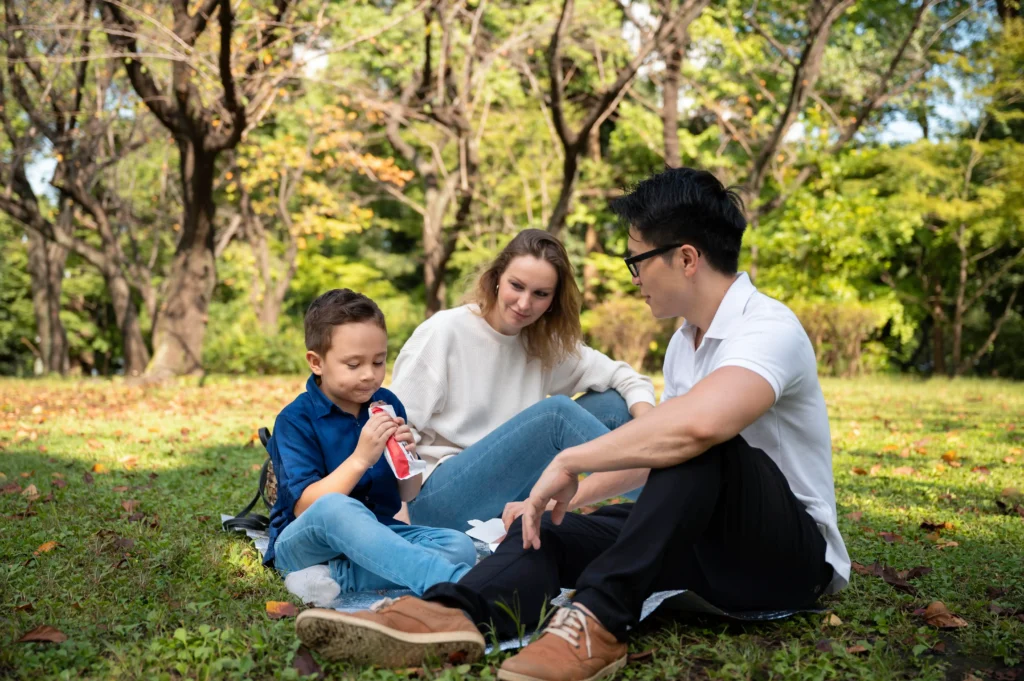
Nobody told you the worst tantrum would happen at Whole Foods. A two-year-old on the floor, fully horizontal, the cart half-loaded, three strangers pretending not to look. You count to ten. You count again. You wonder if the conscious parenting books you bought before the baby came have anything for this exact moment. They do, but, These are parenting tips for new parents who already know that punishment does not work, time-outs feel wrong, and yet doing nothing in Aisle 4 is also not an option. Positive discipline is a real thing. It looks different from what most of us were raised with. And it actually works on toddlers, once you understand what discipline means at this age. What Discipline Means for a Toddler A two-year-old is not being defiant. A two-year-old is two. The toddler’s prefrontal cortex, the part of the brain involved in self-regulation and impulse control, is still developing. So when we say “discipline” for this age group, we do not mean punishment. We mean teaching. Specifically, teaching three things, slowly, across hundreds of repetitions: 1. What is safe and what is not 2. How to recognise their own big feelings before the feelings recognise them 3. How to wait, how to share, how to recover from a meltdown That is the whole job at this age. Everything else is a bonus. Why Traditional Discipline Backfires at This Age Time-outs, raised voices, “go to your room,” the spanking, your grandmother defends. All of these work on a behavior level, sort of. They suppress the visible action. The cost is the connection between you and the child, and the lesson they are learning underneath. The lesson some children may take away is: when I’m upset, I lose connection with the people I rely on most. That is not what we want a two-year-old to learn. The behavior is likely to happen again. The emotional patterns underneath are what we’re shaping for the next eighteen years. This is the core of conscious parenting. Same boundary. Different underlying message. The Five Positive Discipline Strategies That Hold Up These are the five strategies that a conscious parenting course teaches and none of them are quick but all of them work. 1. Connect Before You Correct Before any teaching can happen, the toddler’s nervous system has to feel safe. If they are in full meltdown, their ability to process new information is greatly reduced. The fastest path back is your calm presence, not your words. What this looks like in practice: 1. Get to their eye level 2. Stay quiet for the first thirty seconds 3. Offer touch if welcomed (a hand on the back, holding them if they want) 4. Say less, not more The lesson lands after the storm passes, not during it. 2. Name the Feeling Before the Behavior Toddlers do not have the words for what they feel. Borrow them yours. “You are so frustrated right now. The block tower fell and you wanted it to stay up.” Helping children name their feelings is supported by research on emotional development and emotion coaching. It builds emotional vocabulary. It tells the child their feeling is allowed. And it separates the feeling (allowed) from the behavior that came with it (which might not be allowed). 3. Set the Boundary With Empathy Empathy does not mean no boundary. It means the boundary is set without shame. “I will not let you hit your brother. You are angry. We can be angry and not hit. Let’s find another way.” The same sentence has three jobs: hold the limit, name the emotion, offer an alternative. That is positive discipline in one breath. 4. Use Redirection, Not Just Refusal A toddler told only what they cannot do will return to the same impulse within thirty seconds. A toddler told what they can do has somewhere for the energy to go. Food is for eating, not throwing. After lunch, we can go outside and throw the soft ball instead. Would you like to keep eating or are you all done? Redirection works because it gives toddlers another appropriate outlet for their energy while offering a sense of choice. 5. Repair After You Lose It You will lose it. Every parent does. Positive discipline is not about being perfectly calm. It is about repair when you are not. Repair sounds like: “Mama yelled. That wasn’t because of you. I was tired and I made the wrong choice. I’m sorry. Can I have a hug?” Consistent repair can have a lasting positive impact on your toddler’s sense of safety and trust. They learn that even big people make mistakes, and that repair is possible. What This Looks Like in Real Toddler Moments Moment Old-school response Positive discipline response Tantrum in public “Stop it now or we leave” Kneel, name the feeling, hold space Hitting a sibling “Go to your room” “I won’t let you hit. You’re angry. Let’s take a break from each other for a minute.” Refusing dinner “Eat or no dessert” “You don’t have to eat. The food stays here. Let’s try again in 10 minutes” Bedtime refusal “Bed now or no story tomorrow” “Bedtime is happening. You can choose pajamas or book first” Throwing toys “Bad! No throwing!” “Toys are not for throwing. The ball outside is. Want to go?” The visible action is similar. The underlying message is completely different. Five Common Mistakes New Parents Make 1. Expecting too much regulation too early. A two-year-old who melts down at 5 PM is exactly on schedule. You are not failing. 2. Using too many words during a meltdown. Less talking, more presence. Your toddler is more likely to be ready to listen once they’ve calmed down. 3. Trying to teach during the storm. Save the lesson for later. Right now, just be there. 4. Compared to other toddlers. Each toddler has their own nervous system. The kid at daycare who “never tantrums” is not your kid, and the comparison helps nothing. 5. Skipping
Organization: Helping Kids Tidy Up Their Spaces
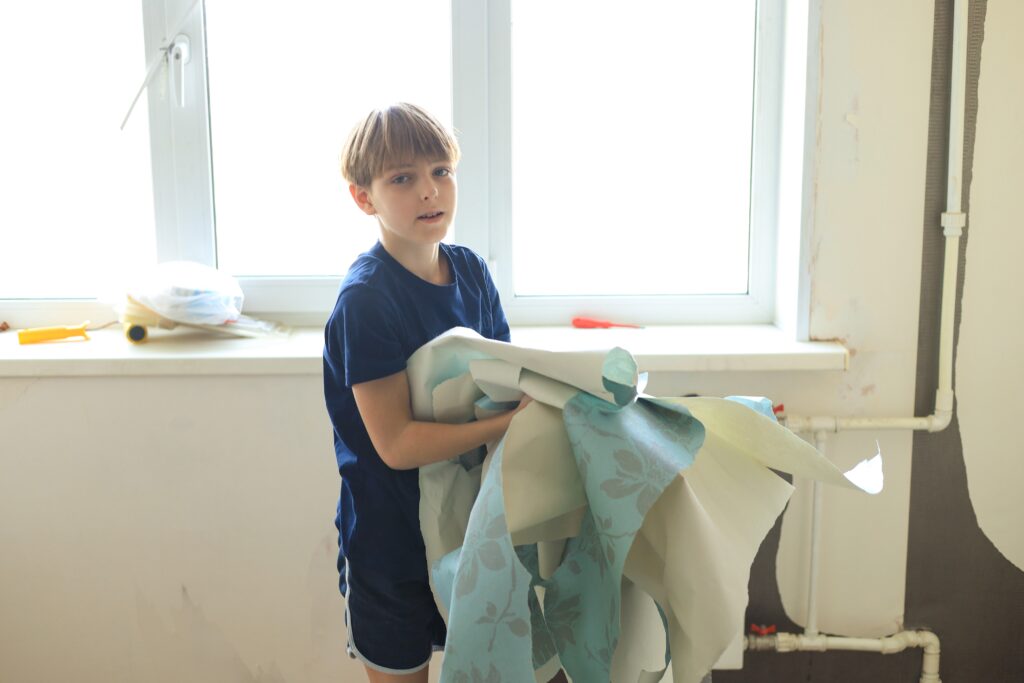
Teaching children to stay organized is one of the most valuable life skills you can impart. By helping them organize their backpacks, toys, and closets early on, you’re setting them up for a lifetime of responsibility and efficiency. These organizational habits not only make life easier but also contribute to family well-being by reducing stress and fostering a calm, orderly environment. Here’s how you can make organization fun and practical for your little ones. Why Organization Matters An organized space helps children feel more in control of their environment, boosting their confidence and ability to focus. It also makes daily routines smoother, whether it’s getting ready for school or finding their favorite toy. According to child development specialists, engaging children in organizational tasks fosters independence, decision-making skills, and self-discipline. Backpack Organization A cluttered backpack can turn into a daily struggle for both kids and parents. Here are some simple tips to help your child stay on top of their school supplies: 1. Create a Weekly Clean-Out Routine Set aside time each week to clean out old papers, snack wrappers, and unnecessary items. Use this opportunity as a moment of parent-child bonding and to teach them how to prioritize what to keep. 2. Use Color-Coded Supplies Encourage your child to use different-colored folders for each subject, making it easier to find assignments quickly. 3. Pack Smart Help them place heavier items, like textbooks, closer to their back and lighter items in the front compartments. This prevents back strain and keeps everything balanced. 4. Add a Checklist Tape a small checklist inside their backpack as a reminder of what they need to pack daily, such as lunch, homework, and sports gear. Toy Storage Solutions Toy clutter can overwhelm a space in no time, but with a little creativity, you can keep things tidy and accessible: 1. Categorize and Label Sort toys into categories like building blocks, dolls, or puzzles. Use clear bins with labels or pictures, so even toddlers can understand where things go. This is a great activity to include as part of activities for toddlers to teach sorting skills. 2. Rotate Toys To keep things fresh, store half of the toys in a separate area and rotate them every few weeks. This reduces clutter and increases excitement when they see “new” toys. 3. Designate a Cleanup Zone Create a small area where kids can gather toys before putting them away. This adds structure to cleanup time and makes the task less daunting. 4. Use Multi-Functional Furniture Storage benches or toy chests that double as seating are perfect for small spaces, keeping toys hidden while maximizing functionality. Closet Design for Little Kids A well-organized closet can make mornings stress-free and help kids feel more independent. 1. Lower the Bar Install a lower clothing rod or hooks so your child can easily reach their clothes. This empowers them to pick out their outfits. 2. Use Dividers Divide clothes by type—shirts, pants, dresses—and use labeled bins for socks, shoes, and accessories. This helps them know exactly where things belong. 3. Seasonal Switch Keep only the current season’s clothing within reach. Store off-season items in bins or higher shelves to minimize clutter. 4. Add a Daily Outfit Organizer Use a hanging organizer with compartments for each day of the week. Together, you can plan outfits during a family meeting or at the start of the week. Tips for Success Additional Resources For more ideas and strategies, explore child development classes online or consult the best parenting resources. Stay informed by visiting our press releases here, and don’t forget to follow us on Instagram and YouTube for more tips and tricks to empower your parenting journey. Final Thoughts: Creating Order, Building Confidence Teaching kids to organize their spaces is about more than tidying up—it’s about fostering independence, building confidence, and creating a calm environment where they can thrive. By starting with simple tasks like backpack organization, toy storage, and closet design, you’re equipping your child with lifelong skills that will serve them well in every aspect of life. So grab some bins, make a plan, and enjoy the process of creating order together. Each step you take is an investment in your child’s success and your family’s happiness.
Haircuts and Sensory Issues: A Guide to Stress-Free Grooming

For kids with Sensory Processing Disorder (SPD) or who are on the autism spectrum, getting a haircut can be an overwhelming experience. The unfamiliar sounds, textures, and environment of a salon can trigger anxiety, making what seems like a simple task a challenging ordeal. With the right strategies, tools, and support, you can make haircuts a more comfortable experience for your child. This blog explores tips to help children navigate haircuts, reviews sensory-friendly hair clippers, and offers guidance on finding salons with trained professionals who cater to kids with sensory sensitivities. Tips to Help Kids with SPD Through a Haircut 1. Prepare Them Ahead of Time Talk to your child about the haircut experience in advance. Use social stories, pictures, or videos to show them what to expect. Role-playing with dolls or stuffed animals can also help familiarize them with the process. 2. Create a Predictable Routine Children with SPD often feel more comfortable when they know what’s coming. Establish a consistent routine for haircuts, including scheduling them at the same time of day and at a familiar place. 3. Use Visual or Verbal Cues Guide your child through the process with clear, step-by-step instructions. For younger kids, activities for toddlers like drawing a picture of the haircut process can make it less intimidating. 4. Involve Them in Decision-Making Let your child choose their hairstyle or pick the tools (e.g., clippers or scissors) they prefer. This empowers them and helps reduce anxiety. 5. Sensory Tools and Comfort Items Bring along items that provide comfort, like noise-canceling headphones, a weighted lap pad, or a favorite toy. Consider playing calming music or white noise to create a soothing environment. 6. Break It Down If a full haircut feels overwhelming, consider breaking it into smaller steps, such as trimming a little each day. Celebrate each accomplishment to build their confidence. 7. Practice Mindful Parenting Stay calm and patient throughout the process. Your demeanor will set the tone and help your child feel safe. Sensory-Friendly Hair Clippers: Product Reviews Choosing the right tools can make haircuts easier at home. Here are three sensory-friendly hair clippers that are quiet, lightweight, and designed with kids in mind: 1. Wahl Easy Cut Cordless Clipper 2. Philips Norelco Kids Hair Clipper 3. Calming Clipper Finding Sensory-Friendly Hair Salons Many hair salons now offer services tailored to children with sensory sensitivities or on the autism spectrum. These salons often employ stylists trained to create a calm and accommodating environment. How to Find Sensory-Friendly Salons Additional Support and Resources For more tips and resources on supporting children with sensory issues, explore child development classes online or browse the best parenting resources. Stay updated with our press releases here, and don’t forget to follow us on Instagram and YouTube for practical advice and tools to empower your parenting journey. Final Thoughts: Transforming Haircuts into Positive Experiences Helping your child through haircuts isn’t just about grooming—it’s about building trust, fostering parent-child bonding, and showing them that their needs are understood and respected. With patience, preparation, and the right tools, you can turn haircuts into manageable, even enjoyable, experiences. Remember, every child is different, and what works for one may not work for another. Stay flexible, celebrate small victories, and know that your efforts are making a difference. Together, you and your child can navigate this journey with confidence and connection.For kids with Sensory Processing Disorder (SPD) or who are on the autism spectrum, getting a haircut can be an overwhelming experience. The unfamiliar sounds, textures, and environment of a salon can trigger anxiety, making what seems like a simple task a challenging ordeal. With the right strategies, tools, and support, you can make haircuts a more comfortable experience for your child. This blog explores tips to help children navigate haircuts, reviews sensory-friendly hair clippers, and offers guidance on finding salons with trained professionals who cater to kids with sensory sensitivities. Tips to Help Kids with SPD Through a Haircut 1. Prepare Them Ahead of Time Talk to your child about the haircut experience in advance. Use social stories, pictures, or videos to show them what to expect. Role-playing with dolls or stuffed animals can also help familiarize them with the process. 2. Create a Predictable Routine Children with SPD often feel more comfortable when they know what’s coming. Establish a consistent routine for haircuts, including scheduling them at the same time of day and at a familiar place. 3. Use Visual or Verbal Cues Guide your child through the process with clear, step-by-step instructions. For younger kids, activities for toddlers like drawing a picture of the haircut process can make it less intimidating. 4. Involve Them in Decision-Making Let your child choose their hairstyle or pick the tools (e.g., clippers or scissors) they prefer. This empowers them and helps reduce anxiety. 5. Sensory Tools and Comfort Items Bring along items that provide comfort, like noise-canceling headphones, a weighted lap pad, or a favorite toy. Consider playing calming music or white noise to create a soothing environment. 6. Break It Down If a full haircut feels overwhelming, consider breaking it into smaller steps, such as trimming a little each day. Celebrate each accomplishment to build their confidence. 7. Practice Mindful Parenting Stay calm and patient throughout the process. Your demeanor will set the tone and help your child feel safe. Sensory-Friendly Hair Clippers: Product Reviews Choosing the right tools can make haircuts easier at home. Here are three sensory-friendly hair clippers that are quiet, lightweight, and designed with kids in mind: 1. Wahl Easy Cut Cordless Clipper 2. Philips Norelco Kids Hair Clipper 3. Calming Clipper Finding Sensory-Friendly Hair Salons Many hair salons now offer services tailored to children with sensory sensitivities or on the autism spectrum. These salons often employ stylists trained to create a calm and accommodating environment. How to Find Sensory-Friendly Salons Additional Support and Resources For more tips and resources on supporting children with sensory issues, explore child development classes online or browse the best parenting resources. Stay
Family Traditions: Building Bonds and Shaping Futures

Family traditions are more than just cherished memories—they’re a cornerstone of identity, connection, and emotional well-being. Whether it’s a special holiday celebration, a quirky birthday ritual, or a simple weekly routine, traditions help create a sense of belonging and security for children. These shared experiences foster parent-child bonding while also playing a vital role in shaping a child’s cognitive and emotional development. Let’s explore the value of family traditions, their impact on children’s brains, and how to establish meaningful rituals for holidays, birthdays, and everyday life. Why Family Traditions Matter Family traditions create a sense of continuity and connection. They provide children with a stable foundation in an ever-changing world, reinforcing the values and relationships that define their family. Traditions contribute to family well-being, building trust and fostering positive interactions between family members. On a neurological level, traditions stimulate the brain by reinforcing patterns and emotional connections. Celebrating milestones, engaging in rituals, or repeating familiar activities activates the reward centers of the brain, creating lasting memories. According to child development specialists, these experiences also enhance social skills, emotional intelligence, and self-esteem. Establishing New Traditions Creating family traditions doesn’t have to be elaborate or expensive. The most meaningful rituals are often simple and personal, reflecting your family’s values and interests. Holiday Traditions Birthday Traditions The Value of Legacy in Family Traditions Traditions often reflect a family’s history and cultural identity, linking generations through shared practices. They create a sense of legacy, helping children understand where they come from and what their family stands for. This connection to the past enriches their sense of self and fosters resilience. Holding a family meeting to discuss and design traditions allows everyone to contribute, ensuring that the rituals resonate with all members. These meetings also teach children the value of collaboration and active participation. The Role of Traditions in Child Development Traditions contribute significantly to a child’s growth and learning: Tips for Creating Lasting Traditions Additional Resources for Parenting Support For more tips on building family traditions and fostering mindful parenting, explore child development classes online or consult the best parenting resources available. Stay updated by visiting our press releases here, and follow us on Instagram and YouTube for ideas and inspiration. Final Thoughts: The Gift of Tradition Family traditions are a powerful way to nurture connection, teach values, and create a legacy of love and support. Whether it’s a holiday tradition that spans generations or a new ritual you create with your children, these shared moments become the fabric of your family story. So, gather your loved ones, start small, and watch as these traditions blossom into cherished memories that enrich your family’s bond for years to come. After all, the greatest gift we can give our children is the sense of belonging and joy that traditions bring.
Traveling with Kids: Pro Tips for a Smooth and Memorable Journey

Traveling with kids can feel like an adventure in itself—equal parts exciting and daunting. Whether you’re preparing for their first flight, embarking on a cruise, or planning a road trip, a little preparation goes a long way in ensuring the journey is enjoyable for everyone. Here are some practical tips to help you navigate traveling with kids, from packing smart to keeping them entertained without screens. Preparing Kids for Their First Flight Flying for the first time can be an overwhelming experience for kids. Here’s how to prepare them: Cruising with Kids: Smooth Sailing Tips Cruising can be an amazing family experience, offering a mix of adventure and relaxation. However, traveling on a ship comes with unique challenges. Travel Kits for Kids (Without Screens!) Screens can be lifesavers during long trips, but it’s good to have non-digital options that encourage creativity and engagement. Here are some ideas for screen-free travel kits: The Role of Conscious Parenting While Traveling Traveling is the perfect opportunity to practice mindful parenting. Stay present during the journey, focusing on shared experiences rather than stressing over perfection. Use the travel time to bond and strengthen your relationship with your child. Parent-child bonding happens naturally when you share in their excitement and wonder, whether it’s spotting the first cloud from the plane window or exploring new cultures together. For parents sharing responsibilities, conscious co-parenting is essential. Collaborate to divide tasks like packing, navigating, and keeping the kids entertained. This ensures a smoother trip and sets an example of teamwork for your children. Tips for Stress-Free Travel Stay Connected for More Tips For additional parenting tips, travel ideas, and expert advice, follow us on Instagram and YouTube. We share resources designed to empower your parenting journey and make family adventures unforgettable. To stay informed on family travel trends, check out our press releases here for the latest updates. Final Thoughts: Embrace the Adventure Traveling with kids is less about perfection and more about creating memories together. With preparation, flexibility, and a little creativity, family trips can be a source of joy and connection. Whether it’s your child’s first flight or a family cruise, these shared experiences will strengthen your bond and leave you with stories to cherish for a lifetime. So pack your bags, embrace the adventure, and remember: even the challenges become part of the journey. Happy travels!
School Choice: Finding the Best Fit for Your Child

Choosing the right educational path for your child is one of the most significant decisions you’ll make as a parent. Whether you’re considering homeschooling, public school, or private school, each option comes with its own benefits and challenges. The key is finding the choice that aligns with your child’s needs, your family’s values, and your long-term goals. Here’s a guide to help you make an informed decision, with considerations for each school type and practical tips for navigating this important choice. Homeschooling: A Personalized Learning Experience Homeschooling offers a tailored approach to education, allowing parents to design a curriculum that suits their child’s unique learning style and pace. This option is particularly appealing for families who want to prioritize mindful parenting, as it provides opportunities to integrate activities for toddlers and older children into daily learning. Pros: Cons: If homeschooling appeals to you, consider consulting a child development specialist to ensure your curriculum supports your child’s developmental milestones. Public School: A Structured and Social Environment Public schools are a popular choice for many families due to accessibility and the opportunity for children to interact with peers in a structured environment. Schools often have established resources, extracurricular activities, and trained educators who support various learning needs. Pros: Cons: Parents practicing conscious parenting can stay involved by attending school events, communicating with teachers, and creating a supportive home environment for learning. Private School: Specialized and Value-Aligned Education Private schools offer smaller class sizes, specialized programs, and often align with specific educational philosophies or religious values. They can be an excellent choice for families seeking a focused approach to their child’s education. Pros: Cons: Before committing, visit the school, meet the teachers, and attend open houses to ensure the environment aligns with your family’s expectations and your child’s personality. Factors to Consider When Choosing a School When evaluating school options, it’s essential to consider both your child’s needs and your family’s circumstances. Here are a few factors to keep in mind: Consider holding a family meeting to discuss these factors together, allowing older children to share their thoughts. This collaborative approach fosters family well-being and ensures everyone feels involved in the decision. Supporting Your Choice with Resources Whichever path you choose, supplementing your child’s education with child development classes online or exploring the best parenting resources can help fill any gaps and enhance their learning experience. These tools provide parents with valuable insights and strategies for supporting their child’s growth. For updates on educational trends and insights, check out our press releases here to stay informed about the latest in child development and schooling options. Final Thoughts: Choosing with Confidence Choosing a school is a deeply personal decision, and there’s no one-size-fits-all answer. By understanding your child’s needs, exploring your options, and staying involved in their education, you can create a supportive and enriching environment for their development. For more tips and guidance on parenting and education, follow us on Instagram and YouTube. We share valuable insights, resources, and tools to empower your parenting journey and help you make confident decisions for your child’s future. Remember, the ultimate goal is to provide an environment where your child feels supported, challenged, and inspired to grow. Trust your instincts, stay flexible, and know that your thoughtful choice will set the foundation for your child’s success and happiness.
Potty Training: Navigating the Journey with Patience and Positivity
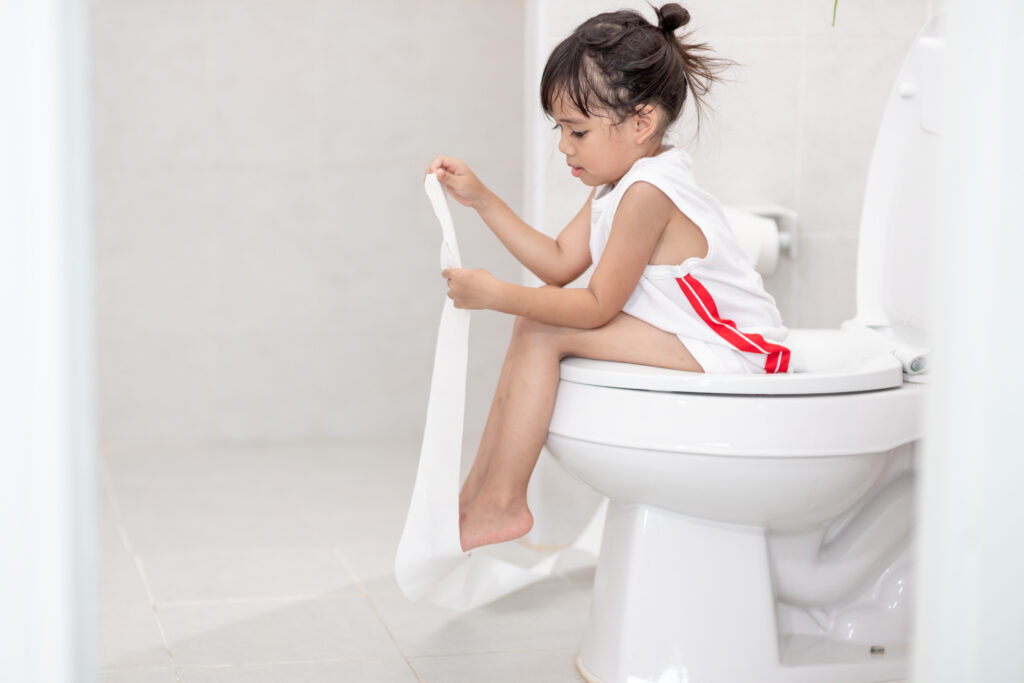
Potty training is a milestone every parent looks forward to, but it’s also one that comes with its share of challenges. It’s easy to worry about timelines or feel frustrated when progress is slow, but here’s the good news: your child won’t go to college in a pull-up. Each child has their unique timeline, and with the right approach, you can make this process a positive experience for the entire family. Let’s explore popular potty training methods, how to stay patient, and how to make the journey as smooth as possible. Why Potty Training Matters Beyond the practical benefits of ditching diapers, potty training plays a significant role in a child’s development. It’s an opportunity to teach independence, responsibility, and self-awareness. For parents, it’s also a moment to practice mindful parenting, where you stay present and attuned to your child’s needs and emotions. Potty training can also enhance parent-child bonding as you work together toward a shared goal. With patience and a bit of creativity, this process can become an empowering experience for your child. The 3-Day Potty Training Method: A Quick Transition The 3-day method is a popular approach for parents looking to make a quick transition from diapers to potty. It involves dedicating three days to intensive potty training, where your child goes diaper-free and is encouraged to use the potty consistently. Benefits of the 3-Day Method: Tips for Success: The Benefits of Pull-Ups For families who prefer a gradual approach, pull-ups can be an excellent tool. They provide a middle ground between diapers and underwear, helping your child transition at their own pace. Benefits of Pull-Ups: Pull-ups can be particularly helpful during the early stages of potty training or as part of a conscious co-parenting strategy, ensuring consistency between caregivers. The Power of the Reward System Rewards can be a fun and effective way to motivate your child during potty training. The key is to make rewards immediate and achievable to reinforce positive behavior. Reward Ideas: Using rewards ties into family well-being by creating a positive atmosphere around potty training, making it a less stressful experience for both you and your child. Staying Positive Throughout the Process Potty training is a journey, not a race. Here’s how to stay positive even when it feels challenging: Additional Resources for Support Potty training doesn’t have to be overwhelming. There are plenty of resources available to guide you through the process. Explore child development classes online or check out the best parenting resources to gain tips and techniques from experts. For updates and insights, visit our press releases here, and follow us on Instagram and YouTube for ongoing tips, tools, and advice to empower your parenting journey. Final Thoughts: Trust the Process Potty training is a significant milestone, but it’s also just one of many steps in your child’s growth. By staying patient, supportive, and positive, you’re not only teaching them a skill—they’re also learning resilience, independence, and trust in your guidance. Whether you opt for the 3-day method, pull-ups, or a blend of both, remember that every child progresses at their own pace. Embrace the journey, celebrate the milestones, and know that with love and encouragement, you’re setting your child up for success—both in potty training and beyond. Happy training!