

Is Your Child Feeling Left Out by Friends? How to Help Them Cope With Rejection
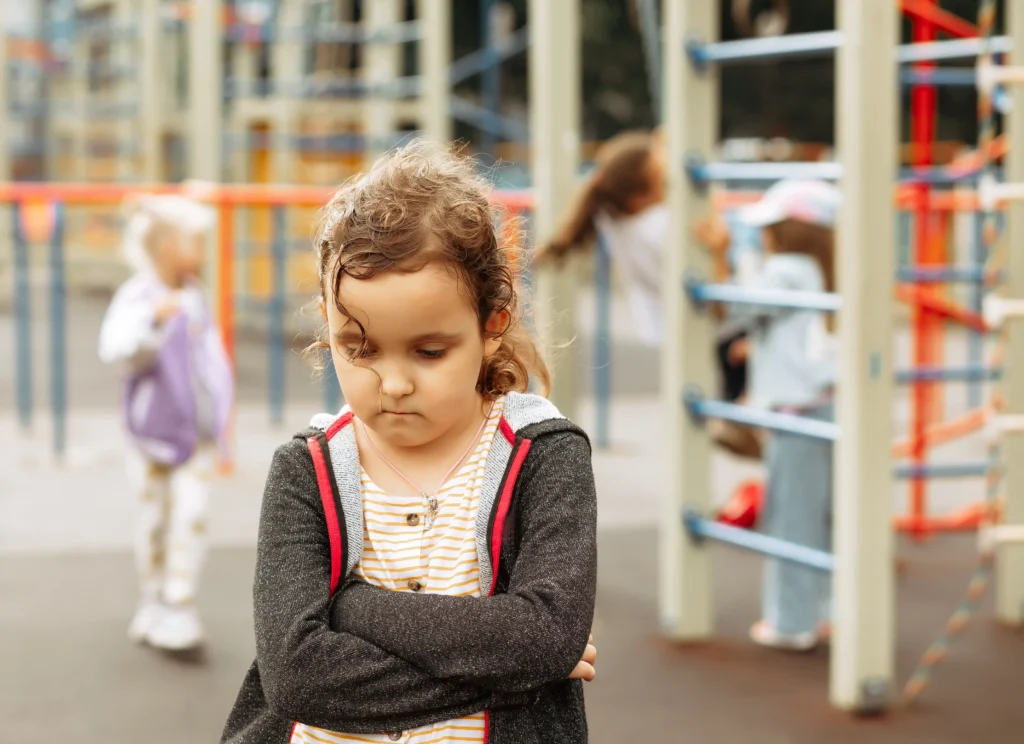
Has your child ever come home from school feeling upset because their friends played without them, left them out of a group activity, or made plans without inviting them? As a parent, it can be difficult to watch your child struggle with friendship problems, especially when you cannot step in and make everything better. A child feeling left out by friends may experience sadness, embarrassment, frustration, or self-doubt. Even seemingly small social situations can feel significant during childhood, when friendships play an important role in developing confidence and belonging. The goal is not to prevent every experience of rejection. It is to help children understand their emotions, build healthy friendships, and develop the confidence to handle difficult social situations. Quick Answer: How Can You Help a Child Who Feels Left Out? When your child feels excluded by friends, start by listening without dismissing their feelings or immediately offering solutions. Acknowledge their hurt and help them describe what happened. Avoid criticizing their friends or rushing to intervene unless there are signs of bullying, repeated exclusion, or a safety concern. Instead, encourage your child to explore possible responses, build connections with other peers, and recognize that one difficult friendship experience does not define their worth. Helping children deal with rejection begins with emotional support, open communication, and opportunities to develop social confidence. Key Takeaways Why Childhood Rejection Can Feel So Difficult Friendships help children develop social skills, emotional security, and a sense of belonging. When a child is excluded, they may begin questioning themselves: “Did I do something wrong?” or “Why don’t they want me around?” Children do not always have the emotional maturity to understand that friendship groups change, disagreements happen, and not every social interaction is personal. For some children, a single incident may be disappointing but manageable. For others, repeated exclusion can contribute to loneliness, anxiety, reduced confidence, or reluctance to participate in social activities. This is why parents should look beyond the incident and understand how their child is interpreting the experience. Practical Ways to Support a Child Who Feels Left Out 1. Listen Before Trying to Fix the Situation Your first response can influence whether your child feels comfortable sharing similar experiences in the future. Instead of saying, “Just find other friends,” try asking: Give your child time to explain without interrupting or minimizing their feelings. They may need understanding before they are ready to consider solutions. 2. Help Them Understand That Rejection Is Not Personal Failure Children can interpret exclusion as proof that something is wrong with them. Gently help them separate what happened from how they see themselves. For example, explain that friends may sometimes make different choices, have disagreements, or form temporary groups. These situations can hurt, but they do not mean your child is unlikable or unworthy of friendship. Avoid making unrealistic promises such as, “Everyone will like you.” Instead, help them understand that healthy friendships involve mutual respect, kindness, and shared interest. 3. Encourage Friendships Beyond One Group When children depend on a single friendship group, exclusion can feel overwhelming. Encourage activities where they can meet children with similar interests, such as sports, art, music, reading clubs, or community activities. You can also help them practice simple ways to initiate conversations, invite someone to play, or join a group activity. The intention is not to make them popular but to help them discover different opportunities for connection. 4. Recognize When Exclusion Becomes Bullying Not every friendship disagreement is bullying. However, repeated intentional exclusion, humiliation, threatening behavior, or attempts to isolate a child may indicate a more serious problem. Pay attention if your child regularly avoids school, experiences persistent distress, withdraws socially, or shows noticeable changes in mood or behavior. If exclusion is repeated or involves bullying, speak with the teacher or school counselor. Work together to understand what is happening and establish appropriate support. Conscious Parenting Perspective: Connection Before Correction When a child experiences rejection, parents may feel an immediate urge to solve the problem. They might want to contact other parents, confront the children involved, or tell their child to stop spending time with certain friends. Sometimes adult intervention is necessary, especially when a child’s safety or well-being is at risk. But in ordinary friendship conflicts, taking over every decision can prevent children from developing confidence in handling relationships. Conscious parenting encourages parents to stay emotionally available while allowing children to participate in finding solutions. It is about connection, not control. Your child should feel that they can come to you without being judged, corrected, or pressured to react in a particular way. Actionable Ideas Parents Can Try A Common Parenting Challenge: Wanting to Protect Them From Every Rejection Parents naturally want to prevent their children from feeling hurt. However, trying to remove every uncomfortable social experience is not always helpful. Children need opportunities to experience disappointment in supportive environments. They can gradually learn to communicate, set boundaries, make choices, and recognize healthy friendships. This does not mean leaving them to handle bullying or persistent exclusion alone. It means distinguishing between everyday friendship difficulties and situations that require adult intervention. A Hypothetical Family Scenario Imagine that 10-year-old Mia comes home upset because two classmates played together during recess without inviting her. She says, “Nobody wants to be my friend.” Instead of immediately contacting the other children’s parents, her mother listens and acknowledges how hurtful the experience felt. Later, they discuss whether Mia would like to invite another classmate to play or try an activity she enjoys. Her mother also checks whether this is an isolated incident or a repeated pattern. What I Have Observed as a Parent-Child Relationship Coach I believe children need more than advice when they experience friendship difficulties. They need a safe space where their emotions are accepted and their experiences are taken seriously. When parents focus only on finding a solution, they may unintentionally overlook the feelings underneath the situation. A child who says, “My friends don’t like me,” may actually be expressing loneliness, embarrassment, or