

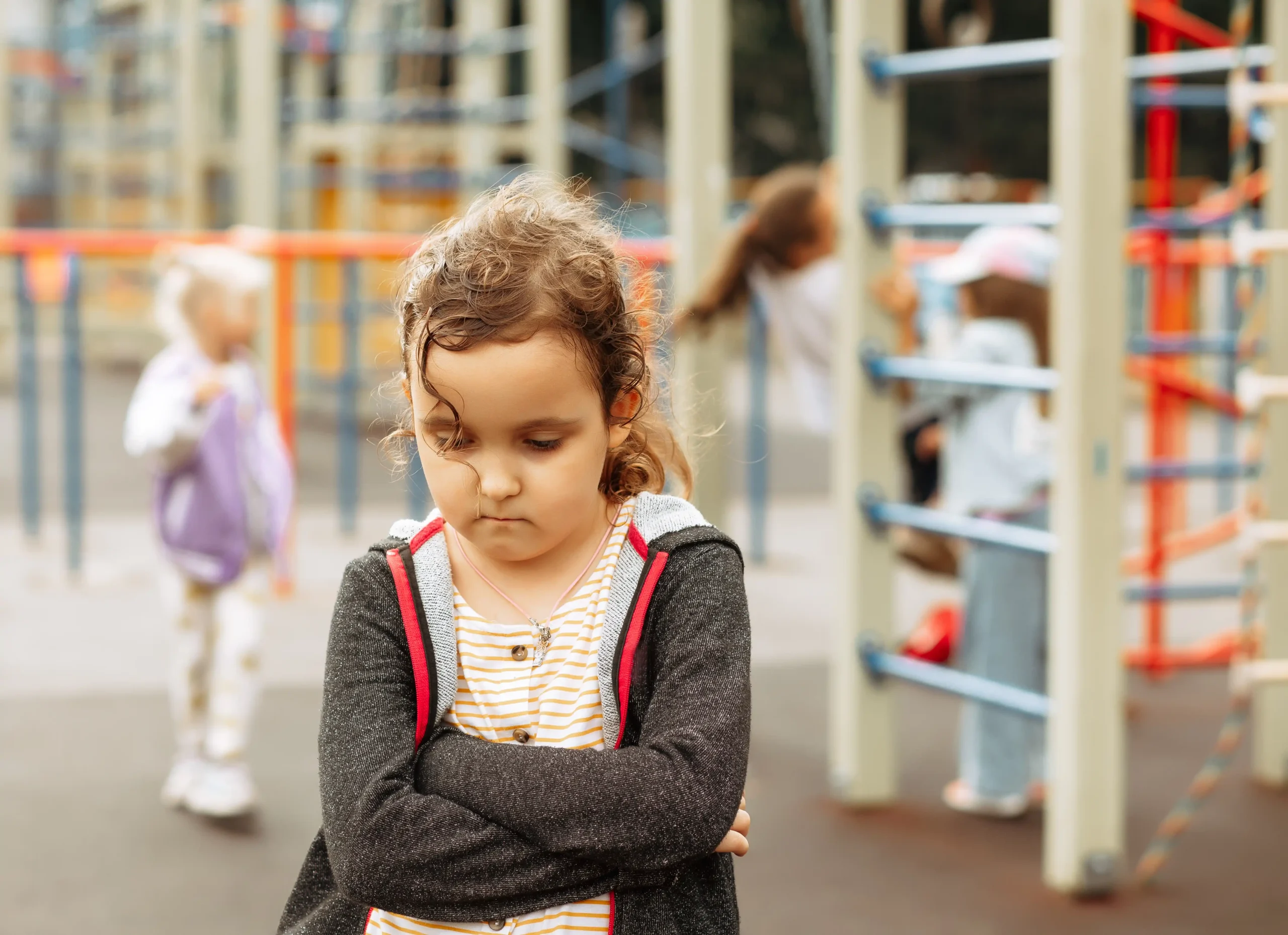
Has your child ever come home from school feeling upset because their friends played without them, left them out of a group activity, or made plans without inviting them? As a parent, it can be difficult to watch your child struggle with friendship problems, especially when you cannot step in and make everything better.
A child feeling left out by friends may experience sadness, embarrassment, frustration, or self-doubt. Even seemingly small social situations can feel significant during childhood, when friendships play an important role in developing confidence and belonging.
The goal is not to prevent every experience of rejection. It is to help children understand their emotions, build healthy friendships, and develop the confidence to handle difficult social situations.
Quick Answer: How Can You Help a Child Who Feels Left Out?
When your child feels excluded by friends, start by listening without dismissing their feelings or immediately offering solutions. Acknowledge their hurt and help them describe what happened.
Avoid criticizing their friends or rushing to intervene unless there are signs of bullying, repeated exclusion, or a safety concern. Instead, encourage your child to explore possible responses, build connections with other peers, and recognize that one difficult friendship experience does not define their worth.
Helping children deal with rejection begins with emotional support, open communication, and opportunities to develop social confidence.
Key Takeaways
- Feeling excluded can affect a child’s confidence and sense of belonging.
- Listen and validate your child’s feelings before giving advice.
- Avoid forcing friendships or immediately confronting other children.
- Help your child develop social skills and explore new connections.
- Watch for repeated exclusion, bullying, or changes in behavior.
- Teach children that rejection does not determine their value.
Why Childhood Rejection Can Feel So Difficult
Friendships help children develop social skills, emotional security, and a sense of belonging. When a child is excluded, they may begin questioning themselves: “Did I do something wrong?” or “Why don’t they want me around?”
Children do not always have the emotional maturity to understand that friendship groups change, disagreements happen, and not every social interaction is personal.
For some children, a single incident may be disappointing but manageable. For others, repeated exclusion can contribute to loneliness, anxiety, reduced confidence, or reluctance to participate in social activities.
This is why parents should look beyond the incident and understand how their child is interpreting the experience.
Practical Ways to Support a Child Who Feels Left Out
1. Listen Before Trying to Fix the Situation
Your first response can influence whether your child feels comfortable sharing similar experiences in the future.
Instead of saying, “Just find other friends,” try asking:
- “What happened today?”
- “How did you feel when they didn’t include you?”
- “Has this happened before?”
Give your child time to explain without interrupting or minimizing their feelings. They may need understanding before they are ready to consider solutions.
2. Help Them Understand That Rejection Is Not Personal Failure
Children can interpret exclusion as proof that something is wrong with them. Gently help them separate what happened from how they see themselves.
For example, explain that friends may sometimes make different choices, have disagreements, or form temporary groups. These situations can hurt, but they do not mean your child is unlikable or unworthy of friendship.
Avoid making unrealistic promises such as, “Everyone will like you.” Instead, help them understand that healthy friendships involve mutual respect, kindness, and shared interest.
3. Encourage Friendships Beyond One Group
When children depend on a single friendship group, exclusion can feel overwhelming.
Encourage activities where they can meet children with similar interests, such as sports, art, music, reading clubs, or community activities.
You can also help them practice simple ways to initiate conversations, invite someone to play, or join a group activity. The intention is not to make them popular but to help them discover different opportunities for connection.
4. Recognize When Exclusion Becomes Bullying
Not every friendship disagreement is bullying. However, repeated intentional exclusion, humiliation, threatening behavior, or attempts to isolate a child may indicate a more serious problem.
Pay attention if your child regularly avoids school, experiences persistent distress, withdraws socially, or shows noticeable changes in mood or behavior.
If exclusion is repeated or involves bullying, speak with the teacher or school counselor. Work together to understand what is happening and establish appropriate support.
Conscious Parenting Perspective: Connection Before Correction
When a child experiences rejection, parents may feel an immediate urge to solve the problem. They might want to contact other parents, confront the children involved, or tell their child to stop spending time with certain friends.
Sometimes adult intervention is necessary, especially when a child’s safety or well-being is at risk. But in ordinary friendship conflicts, taking over every decision can prevent children from developing confidence in handling relationships.
Conscious parenting encourages parents to stay emotionally available while allowing children to participate in finding solutions.
It is about connection, not control. Your child should feel that they can come to you without being judged, corrected, or pressured to react in a particular way.
Actionable Ideas Parents Can Try
- Validate their feelings: Acknowledge that being excluded can hurt.
- Avoid immediate judgments: Understand the situation before deciding what happened.
- Practice conversations: Role-play how your child can ask to join an activity or express discomfort.
- Encourage varied friendships: Help them explore activities and social settings beyond one group.
- Build confidence at home: Recognize their strengths, interests, and efforts without connecting their worth to popularity.
- Stay observant: Look for repeated exclusion or emotional changes that may require school support.
A Common Parenting Challenge: Wanting to Protect Them From Every Rejection
Parents naturally want to prevent their children from feeling hurt. However, trying to remove every uncomfortable social experience is not always helpful.
Children need opportunities to experience disappointment in supportive environments. They can gradually learn to communicate, set boundaries, make choices, and recognize healthy friendships.
This does not mean leaving them to handle bullying or persistent exclusion alone. It means distinguishing between everyday friendship difficulties and situations that require adult intervention.
A Hypothetical Family Scenario
Imagine that 10-year-old Mia comes home upset because two classmates played together during recess without inviting her. She says, “Nobody wants to be my friend.” Instead of immediately contacting the other children’s parents, her mother listens and acknowledges how hurtful the experience felt. Later, they discuss whether Mia would like to invite another classmate to play or try an activity she enjoys. Her mother also checks whether this is an isolated incident or a repeated pattern.
What I Have Observed as a Parent-Child Relationship Coach
I believe children need more than advice when they experience friendship difficulties. They need a safe space where their emotions are accepted and their experiences are taken seriously.
When parents focus only on finding a solution, they may unintentionally overlook the feelings underneath the situation. A child who says, “My friends don’t like me,” may actually be expressing loneliness, embarrassment, or fear of not belonging.
Responding with curiosity rather than judgment helps parents understand what their child needs. It also creates opportunities to build emotional awareness, self-worth, and healthier communication.
Vedangi Brahmbhatt (Conscious Parenting Coach)
Key Reinforcement: Teach Them to Value Healthy Connections
Your child’s goal should not be to fit into every friendship group. It should be to recognize relationships where they feel respected, included, and comfortable being themselves.
A parent’s steady support can help children approach rejection with greater emotional confidence without making them feel that they must handle everything alone.
Conclusion
A child feeling left out by friends needs understanding, reassurance, and practical guidance. Listen to their experience, help them explore healthy friendships, and recognize when repeated exclusion requires adult support.
One simple step you can take today is to ask your child, “Would you like me to listen, or would you like us to think about what you could do next?”
If you want to build stronger communication and emotional connections with your child, Vedangi Brahmbhatt’s conscious parenting guidance and parent-child connection programs can help you explore a more connected approach to everyday parenting challenges. You can reach out to learn more.
Help Your Child Navigate Friendship Challenges With Confidence
Seeing your child struggle with friendship or rejection can be difficult. Through Conscious Parenting Guidance, Vedangi Brahmbhatt helps parents explore empathetic ways to acknowledge their child’s emotions, build confidence, and support healthier social connections.
Frequently Asked Questions
Q1. What should I do if my child is being left out by friends?
A. Listen without judgment, validate their feelings, and help them explore healthy ways to build friendships. Look for repeated exclusion or bullying.
Q2. How can I help my child deal with rejection?
A. Help them understand their emotions, separate rejection from self-worth, and practice positive ways to respond to difficult social situations.
Q3. Should I intervene when my child’s friends exclude them?
A. Not always. First understand what happened. Intervene when exclusion is repeated, involves bullying, or affects your child’s safety and well-being.
Q4. How does being left out affect a child’s confidence?
A. Repeated exclusion may contribute to loneliness, self-doubt, social anxiety, or reluctance to participate in group activities.
Q5. How can I help my child make new friends?
A. Encourage shared-interest activities, help them practice starting conversations, and create opportunities to connect with different peers.
Related Reads: Helping Your Child Through Friendship Troubles
Is your child hurting because they were not included? These posts help you support them without taking over.
- Start here: How to Help Your Child Build Healthy Friendships – Shows how to guide your child’s friendships without stepping in too much.
- What to Do When Your Child Is Being Bullied – If exclusion crosses into bullying, this tells you what to do and when to step in.
- Building Self-Confidence Without Praise Dependency – Helps rebuild a child’s confidence after it has been knocked.
Your child does not need every friend. They need to know they belong with you.