

Hubbies and Hobbies: Why Giving Your Husband Time to Explore a Hobby Allows Him to Be a Better Parent

Let’s be honest—when we talk about parenting, most of the spotlight shines on moms. From meal planning to toddler activities, we’re often seen as the default caregivers. But here’s a little truth bomb: dads need their oxygen masks too. And sometimes, that “oxygen” comes in the form of a weekend bike ride, hours spent restoring an old car, or even just quiet time with a book. What I didn’t realize early in our parenting journey is that when my husband pursued a hobby guilt-free, he returned to us more present, more patient, and more joyful. It wasn’t indulgence. It was integration. That little time away helped him become a more engaged, emotionally aware dad. Let’s unpack why giving your husband space for hobbies actually contributes to better parenting—and how it all connects to the principles of mindful parenting and conscious co-parenting. 1. Hobbies Recharge His Emotional Battery (Which Benefits Everyone) In parenting, we hear a lot about emotional regulation kids—but adults need emotional regulation too. Hobbies are a powerful outlet for stress and frustration, helping your partner process emotions in a healthy, non-reactive way. Whether it’s woodworking, running, or photography, having a creative or physical outlet acts as a mental reset. According to the American Psychological Association, hobbies can lower cortisol levels (the stress hormone), improve mood, and promote better sleep. So when your husband comes back from his hobby time, he’s more emotionally regulated—meaning fewer knee-jerk reactions and more active listening parenting moments at home. In the long run, that’s a win for the entire family. 2. Modeling Balance Helps Kids Understand Healthy Self-Care Kids don’t learn from what we say—they learn from what we do. When children see their father make time for a personal interest, they subconsciously register that self-care matters. This kind of modeling promotes holistic child development, where emotional, physical, and mental health are given equal importance. This is especially relevant for parents following the the conscious parent philosophy. Making intentional choices about how we show up in our family dynamic includes honoring each other’s need for personal space. Hobbies aren’t a break from parenting—they’re a part of parenting well. And just like we organize toddler activities to help our little ones explore the world, our partners need their own version of that exploration too. 3. Time Apart = Stronger Co-Parenting and Better Conversations A little time apart naturally leads to fresher perspectives. Ever noticed how a solo grocery trip feels like a mini vacation? That break is real—and beneficial. Giving your husband time for hobbies allows for better family meetings, clearer communication, and stronger partnership. It aligns beautifully with conscious co-parenting values. When each partner feels fulfilled and respected, there’s less resentment, more collaboration, and a better understanding of roles. You’re not just “tag-teaming” parenthood—you’re actively designing a rhythm that supports how to implement conscious parenting techniques at home. Even something as small as one hour per week of uninterrupted hobby time can recalibrate a dad’s mood and clarity—and that ripple effect shows up in bedtime stories, shared chores, and emotional presence with the kids. Final Thoughts: Making Space for His Hobby Is a Gift for the Whole Family What started as a simple gesture—“go play your guitar, I’ve got bedtime tonight”—turned into a profound act of mindful parenting in our household. My husband’s hobbies didn’t take away from our family—they added to it. Giving your husband time for his interests isn’t about giving him a “pass.” It’s about building a parenting partnership rooted in balance, respect, and long-term emotional health. 💡 Real-World Tip: Schedule a “hobby hour” in your family calendar once a week for each partner. Knowing that time is protected helps reduce guilt and increases consistency. 📱 Stay Connected: We’re always exploring more ways to build better family dynamics through positive discipline strategies for toddlers, emotional growth, and real-life parenting lessons. Follow us on Instagram, and YouTube for expert insights and behind-the-scenes parenting wisdom.For the latest news and updates, click here to view our recent press releases.
What I Didn’t Know About Building Friendships in Adulthood

Spoiler alert: Making friends as an adult is hard. Way harder than I ever imagined. As a child, friendships happened organically—on the playground, during art class, or through shared lunchbox trades. Fast forward to adulthood, and suddenly we’re juggling work, family, emotional energy, and the constant pressure to “stay connected” on social media. Real, soulful connection often feels like a lost art. It wasn’t until I leaned into mindful parenting and began my own conscious growth journey that I truly understood what was missing. The rules of friendship shift as we grow—and I wish someone had told me how much internal work it would take to truly thrive in adult connections. Here’s what I’ve learned (and am still learning) about adult friendships that no one prepared me for: 1. Adulthood Friendships Require as Much Intentionality as Parenting Just like parenting isn’t about controlling outcomes but creating space for growth, adult friendships thrive when they are nurtured intentionally. As I embraced the philosophy of the conscious parent, I noticed something: the more present and emotionally aware I became with my child, the more I craved—and appreciated—that same presence in my friendships. Applying tools like Nonviolent Communication and Active Listening Parenting—not just with my child but with friends—transformed how I showed up. I started asking better questions, listening without waiting to speak, and giving grace when someone canceled plans (because hey, life’s chaotic). Real-time tip: According to a 2023 Pew Research survey, over 61% of American adults say they feel “somewhat or very lonely,” often due to lack of deep connections. That’s a reminder to lead with empathy—and not just convenience—when it comes to friendship. 2. We Outgrow People—and That’s Okay This one hit hard. Just as kids go through phases, adults evolve too. My journey into mindful parenting and learning about holistic child development didn’t resonate with every friend I had before. Some friendships faded gently. Others ended sharply. And while that initially felt like loss, I later realized it was simply growth. Being aligned with values—whether it’s about raising emotionally resilient kids or having family meetings to strengthen communication—means your circles may shift. Learning to accept this made space for new friendships—ones rooted in shared purpose, growth, and vulnerability. 3. Adulthood and the Art of Connection: Boundaries Are the New Bonding In parenting, we talk a lot about emotional regulation kids and creating safe containers for children to express themselves. But what about us? Adults? In my friendships, I used to be the “yes” person—overextending, over-giving, and eventually resenting. As I adopted positive discipline strategies for toddlers, I realized: boundaries aren’t restrictions. They’re love in action. Now, I have no guilt in saying “I can’t talk right now, can we reconnect tomorrow?” Or “I don’t have the capacity to take that on.” And surprise—real friends respect that. They even reciprocate. Real-life stat: The Harvard Study of Adult Development—one of the longest-running studies on happiness—found that quality relationships (not quantity) are the strongest predictor of happiness and health in later life. Boundaries help maintain that quality. Final Thoughts: Friendship, but Make It Conscious Friendship in adulthood is less about proximity and more about presence. It’s not the number of people who show up for your birthday, but the few who notice your silence and check in. If you’ve been struggling to find or nurture those friendships, you’re not alone. And it’s not too late. Start with you. The same way we practice how to implement conscious parenting techniques at home, we can bring mindfulness into our friendships. One Last Tip: Try a monthly “connection check-in” with a close friend—just 15 minutes to ask, “How are you—really?” You’d be surprised what blooms from that. Let’s Stay Connected: Don’t forget to follow us on Instagram, and YouTube,for more insights on conscious co-parenting, emotional intelligence, and intentional living.📰 For the latest news and updates, click here to view our recent press releases.
Not a PTO Parent? Engaging in Your Child Education on Your Terms

Parental involvement is a cornerstone of a child’s academic success. While some parents immerse themselves in Parent-Teacher Organizations (PTOs), this level of engagement isn’t feasible or desirable for everyone. The good news is that there are numerous meaningful ways to support your child educational journey without committing to PTO activities. This article explores practical strategies for parents who wish to be involved on a smaller, yet impactful, scale. 1. Establish a Supportive Home Learning Environment Creating a conducive atmosphere at home is pivotal for reinforcing the value of education. This doesn’t necessitate a complete overhaul; simple, consistent practices can make a significant difference: 2. Foster Open Communication with Educators Building a collaborative relationship with your child’s teachers provides valuable insights into their academic progress and social development: 3. Engage in Meaningful Conversations and Activities Your involvement in your child education extends beyond academics; nurturing their emotional and social well-being is equally important: Conclusion: Your Involvement Matters Active parental involvement, tailored to your capacity and preferences, significantly influences your child educational journey. By creating a supportive home environment, maintaining open communication with educators, and engaging in meaningful activities, you lay a strong foundation for their success. Remember, it’s not about the quantity of involvement but the quality and consistency that make the difference. Tip: Regularly set aside time for family meetings to discuss upcoming school events, address any concerns, and celebrate achievements. This practice reinforces the importance of education and keeps everyone aligned. For more insights and expert advice on parenting and child development, follow us on Instagram, and YouTube. Stay informed with our latest updates and press releases by clicking here.
Fireworks and Family Fun: Fourth of July Activities for the Whole Family

The Fourth of July is a cherished time for families across the United States to come together and celebrate independence with joy and unity. This holiday offers a perfect opportunity to engage in activities that are not only fun but also enriching for family members of all ages. Embracing mindful parenting during this festive period ensures that the experiences are both enjoyable and meaningful. Engaging Toddler Activities for Independence Day Celebrating the Fourth with toddlers can be both fun and educational. Here are some activities tailored for the little ones: 1. Patriotic Crafts Engage your toddlers in simple crafts like creating American flags using safe materials. This activity enhances their creativity and introduces them to national symbols. 2. Sensory Bins Create sensory bins filled with red, white, and blue items such as colored rice or beads. This tactile experience can captivate toddlers and stimulate their senses. 3. Story Time Reading age-appropriate books about Independence Day can be both educational and entertaining. Consider titles like “The Night Before the Fourth of July” to introduce them to the holiday’s significance. Activities for Older Children Older kids can participate in more structured activities that combine fun with learning: 1. DIY Fireworks in a Jar A safe and educational science experiment where children can create a fireworks effect using oil, water, and food coloring. This activity teaches basic scientific principles in a festive context. 2. Patriotic Scavenger Hunt Organize a scavenger hunt in your backyard or local park with items related to Independence Day. This promotes physical activity and teamwork. 3. Baking Together Involve children in baking red, white, and blue treats. This not only teaches them basic cooking skills but also allows for family bonding. Family Activities to Foster Unity Engaging in activities as a family strengthens bonds and creates lasting memories: 1. Family Picnic Plan a picnic with traditional Fourth of July foods. Use this time to discuss the history of Independence Day, making it both a fun and educational experience. 2. Attend Local Parades Participating in or attending local parades can instill a sense of community and patriotism. It’s also an opportunity to teach children about civic pride. 3. Evening Fireworks Watching fireworks together can be a magical experience. Ensure safety by choosing a suitable viewing spot and discussing firework safety with children beforehand. Incorporating Mindful Parenting During Festivities The excitement of the Fourth can sometimes lead to overstimulation, especially for younger children. Practicing mindful parenting helps in maintaining a calm and enjoyable environment: 1. Maintain Routine While it’s a special day, keeping certain routines like nap times can help toddlers remain comfortable and happy. 2. Active Listening Pay attention to your child’s cues. If they seem overwhelmed, provide a quiet space for them to relax. 3. Inclusive Decision Making Involve children in planning activities. This not only makes them feel valued but also teaches decision-making skills. Conclusion The Fourth of July is more than just a holiday; it’s an opportunity to strengthen family bonds, teach valuable lessons, and create cherished memories. By incorporating a mix of fun and educational activities, and practicing mindful parenting, families can ensure a harmonious and joyous celebration. Tip: Create a family time capsule on the Fourth of July. Each member can contribute an item or note, and it can be opened the following year to reflect on growth and experiences.For more insights and parenting tips, follow us on Instagram, and Youtube.
Break the Cycle: How Intentional Parenting Transforms Your Family’s Legacy

Parenting is a profound journey that not only shapes our children’s futures but also redefines the legacy we leave behind. Intentional parenting—making conscious, deliberate choices in raising our children—has the power to break generational cycles and foster a nurturing environment for future generations. Recognizing Generational Patterns Many families unknowingly perpetuate patterns from previous generations, which can influence behaviors, beliefs, and emotional responses. These patterns might include punitive discipline, authoritarian parenting, or fear-based interactions. Identifying these inherited behaviors is the first step toward transformation. The Power of Mindful Parenting Mindful parenting involves being present and attentive to our children’s needs, emotions, and experiences. This approach encourages parents to respond thoughtfully rather than react impulsively, fostering a deeper connection and understanding between parent and child. Practicing mindfulness can help break negative cycles by promoting patience, empathy, and emotional regulation. Strategies for Intentional Parenting 1. Self-Awareness and Reflection Understanding our own upbringing and its impact on our parenting style is crucial. Reflect on the behaviors and beliefs you’ve inherited and assess which ones serve your family’s well-being and which do not. This self-awareness allows for intentional choices in parenting practices. 2. Educate Yourself Investing time in learning about effective parenting strategies can be transformative. Resources like the best parenting books offer insights into nurturing and supportive parenting techniques. Educating yourself empowers you to make informed decisions that align with your family’s values. 3. Practice Nonviolent Communication Adopting nonviolent communication fosters respectful and empathetic interactions within the family. This approach emphasizes expressing feelings and needs without blame or judgment, promoting a harmonious family environment. 4. Implement Positive Discipline Strategies for Toddlers For parents of young children, adopting positive discipline strategies for toddlers can set the foundation for healthy behavior patterns. These strategies focus on guiding and teaching rather than punishing, encouraging toddlers to develop self-discipline and empathy. 5. Engage in Family Meetings Regular family meetings provide a platform for open communication, collective decision-making, and conflict resolution. They encourage active participation from all family members, fostering a sense of belonging and mutual respect. The Role of Child Development Specialists Consulting with a child development specialist can offer personalized guidance tailored to your child’s unique needs. These professionals provide insights into developmental stages and appropriate parenting strategies, supporting your journey toward intentional parenting. Benefits of Breaking Generational Cycles Embracing intentional parenting and breaking negative generational cycles can lead to: Conclusion Intentional parenting is a transformative approach that not only impacts your immediate family but also shapes the legacy you leave for future generations. By recognizing and breaking negative generational cycles, you create a nurturing environment where your children can thrive. Tip: Start by implementing small, consistent changes in your daily interactions with your children. Over time, these intentional efforts will lead to significant positive transformations in your family’s dynamics.For more insights and resources on intentional parenting, follow us on Instagram, and Youtube.
Fess Up to Failures: Why Vulnerability in the Parenting Community is Healthy

Parenting is a journey filled with joy, challenges, and countless learning experiences. While society often glorifies the picture-perfect family, the reality is that every parent faces moments of doubt, mistakes, and growth. Embracing vulnerability within the parenting community not only fosters genuine connections but also promotes personal and communal well-being. The Pressure of Perfection In today’s digital age, parents are inundated with images of flawless families and well-behaved children. This constant exposure can lead to feelings of inadequacy and the pressure to conform to unrealistic standards. A recent study revealed that 40% of parents admit to judging other families’ screen time rules, highlighting the pervasive nature of parental scrutiny. Moreover, societal expectations often discourage parents from sharing their struggles, leading to isolation. The U.S. Surgeon General has labeled parental stress an urgent public health issue, emphasizing the need for supportive communities where parents can openly discuss their challenges. The Power of Vulnerability Embracing vulnerability involves acknowledging and sharing one’s struggles and imperfections. For parents, this means openly discussing challenges, mistakes, and uncertainties. Such openness has profound benefits: A 2023 survey highlighted that 41% of parents feel so stressed they cannot function most days, underscoring the importance of supportive communities. Building a Supportive Parenting Community To cultivate a nurturing environment where vulnerability is embraced, consider the following strategies: 1. Establish Open Forums Create spaces, both online and offline, where parents can share their experiences without fear of judgment. These platforms encourage open dialogue and mutual support. 2. Promote Active Listening Encourage parents to practice active listening parenting, where they attentively and empathetically listen to others’ experiences, fostering understanding and connection. 3. Organize Family Meetings Regular family meetings provide opportunities for family members to express their feelings and challenges, promoting transparency and unity within the household. 4. Engage Child Development Specialists Consulting with a child development specialist can offer parents professional guidance, helping them understand and address their children’s needs effectively. 5. Practice Mindful Parenting Mindful parenting encourages parents to be present in the moment, acknowledging their feelings and reactions. This practice enhances self-awareness and emotional regulation. Embracing Failures as Learning Opportunities Viewing failures as opportunities for growth transforms challenges into valuable lessons. This perspective shift not only benefits parents but also sets a powerful example for children, teaching them resilience and adaptability. Tip: When facing a parenting challenge, reflect on the experience to identify lessons learned and share these insights with your community. Conclusion Embracing vulnerability within the parenting community fosters authentic connections, reduces stress, and promotes collective growth. By acknowledging and sharing our imperfections, we create a supportive environment where both parents and children can thrive.For more insights and support, don’t forget to follow us on Instagram, and Youtube for more insights and expertise.
Shut it, Sheila: How to Ignore the Haters and Lean into Your Own Parenting Style

In today’s world, where every parenting style is under the microscope, it’s common to encounter unsolicited advice or outright criticism. Whether it’s about your choice of toddler activities, discipline methods, or educational preferences, there’s always someone ready to offer their two cents. But here’s the truth: You know your child best. Embracing your unique parenting style, despite the naysayers, is crucial for your family’s well-being. Understanding the Spectrum of Parenting Style Parenting isn’t one-size-fits-all. Various styles cater to different family dynamics and children’s needs: 1. Authoritative Parenting ✔️ Combines warmth with structure, promoting independence while setting clear boundaries. 2. Authoritarian Parenting ✔️ Emphasizes strict rules with little room for flexibility, often leading to obedience but potentially lower self-esteem in children. 3. Permissive Parenting ✔️ Offers warmth with minimal rules, which can result in children lacking discipline. 4. Uninvolved Parenting ✔️ Characterized by a lack of responsiveness to a child’s needs, leading to attachment issues. Recognizing where you fall on this spectrum can help you understand your strengths and areas for growth. The Rise of Gentle and Conscious Parenting Recent years have seen a shift towards gentle and conscious parenting approaches. These methods emphasize empathy, understanding, and respect for a child’s individuality. While some critics argue that such styles may lack discipline, proponents believe they foster emotional regulation in kids, stronger parent-child bonds, and overall well-being. Dealing with Criticism: Strategies for Resilience Facing criticism is an inevitable part of the parenting journey. Here’s how to navigate it: 1. Trust Your Instincts 💡 You are the expert on your child. Your insights and understanding of their needs are unparalleled. 2. Seek Constructive Feedback 💡 Differentiate between genuine advice and unsolicited criticism. Engage with those who offer support and understanding. 3. Set Boundaries 💡 It’s okay to politely decline discussions that don’t serve your family’s interests. 4. Educate and Inform 💡 Share the rationale behind your choices with well-meaning critics. This can foster understanding and reduce unwarranted judgments. 5. Build a Support Network 💡 Connect with like-minded parents through family meetings, support groups, or online communities. Sharing experiences can provide validation and encouragement. The Role of Mindful and Conscious Parenting Embracing mindful parenting involves being present and attentive to your child’s needs, fostering a deeper connection. This approach encourages parents to respond rather than react, promoting a calm and nurturing environment. Similarly, the conscious parent philosophy emphasizes self-awareness, allowing parents to address their own emotions and biases, leading to healthier interactions with their children. The Impact of Criticism on Parenting Constant criticism can lead to self-doubt and stress, affecting both parent and child. It’s essential to recognize the potential harm of negative feedback and prioritize your family’s unique needs over societal expectations. By implementing positive discipline strategies for toddlers and focusing on the benefits of mindful parenting for child development, parents can cultivate a household where confidence and trust thrive. Conclusion: Embrace Your Parenting Journey Every child is unique, and so is every parenting journey. By trusting your instincts, setting boundaries, and embracing your chosen parenting style, you create a nurturing environment tailored to your child’s needs. 💡 Tip: Engage in regular family meetings to discuss feelings, set goals, and strengthen bonds. This practice fosters open communication and mutual respect. For more insights and support, don’t forget to follow us on Instagram, and Youtube for expert advice on how to implement conscious parenting techniques at home.For the latest news and updates, click here to view our recent press releases.
More Than the Baby Blues? A Look at Postpartum Depression

Welcoming a new baby is often portrayed as a time of unparalleled joy. However, for many new parents, this period can also bring unexpected challenges, including feelings of sadness, anxiety, and overwhelm. While it’s common to experience brief mood swings known as the “baby blues,” there’s a more severe condition that requires attention: postpartum depression (PPD). Understanding Postpartum Depression Postpartum depression is a mood disorder that affects individuals after childbirth, characterized by persistent feelings of sadness, hopelessness, and a lack of interest in activities once enjoyed. Unlike the transient “baby blues,” which typically resolve within two weeks, PPD can last much longer and significantly interfere with daily functioning. Prevalence and Risk Factors PPD is more common than many realize. Approximately 1 in 7 mothers experience postpartum depression, making it one of the most common complications associated with childbirth. Several factors can increase the risk of developing PPD, including: Recognizing the Symptoms It’s crucial to distinguish between the “baby blues” and PPD. While both share some symptoms, the intensity and duration differ. Signs of PPD include: If these symptoms persist beyond two weeks or worsen, it’s essential to seek professional help. Impact on Child Development Untreated PPD doesn’t just affect the parent; it can also have lasting effects on the child. Children of parents with untreated PPD may experience challenges in: Early intervention is vital to ensure both parent and child thrive. The Role of Mindful and Conscious Parenting Embracing mindful parenting practices can be beneficial for parents experiencing PPD. This approach encourages: Similarly, the conscious parent philosophy emphasizes self-awareness and understanding one’s emotions, which can aid in recognizing and addressing PPD symptoms early. Seeking Help: Treatment and Support PPD is treatable, and several effective interventions are available: 1. Psychotherapy Engaging in talk therapy or mental health counseling can provide coping strategies and emotional support. 2. Medication Antidepressants may be prescribed, especially if symptoms are severe. It’s essential to discuss potential risks and benefits with a healthcare provider. 3. Support Groups Connecting with others who have similar experiences can reduce feelings of isolation. Organizations like Postpartum Support International offer resources and support networks. 4. Self-Care Prioritizing rest, nutrition, and engaging in toddler activities that promote bonding can aid recovery. The Importance of Open Communication Practicing nonviolent communication within the family can create a supportive environment for those dealing with PPD. Openly discussing feelings during family meetings ensures that concerns are addressed and support is provided. Conclusion: Breaking the Silence Postpartum depression is a significant mental health concern that extends beyond the typical “baby blues.” Recognizing the symptoms, understanding the risk factors, and seeking timely intervention are crucial steps toward recovery. By fostering a supportive environment through mindful parenting and open communication, families can navigate this challenging period together. 💡 Tip: If you or someone you know is struggling with postpartum depression, don’t hesitate to seek help. Early intervention can make a profound difference in the well-being of both parent and child.For more insights and support, don’t forget to follow us on Instagram, and Youtube for expert parenting advice.
Sink or Swim? Why Survival Swim Lessons Are Worth It
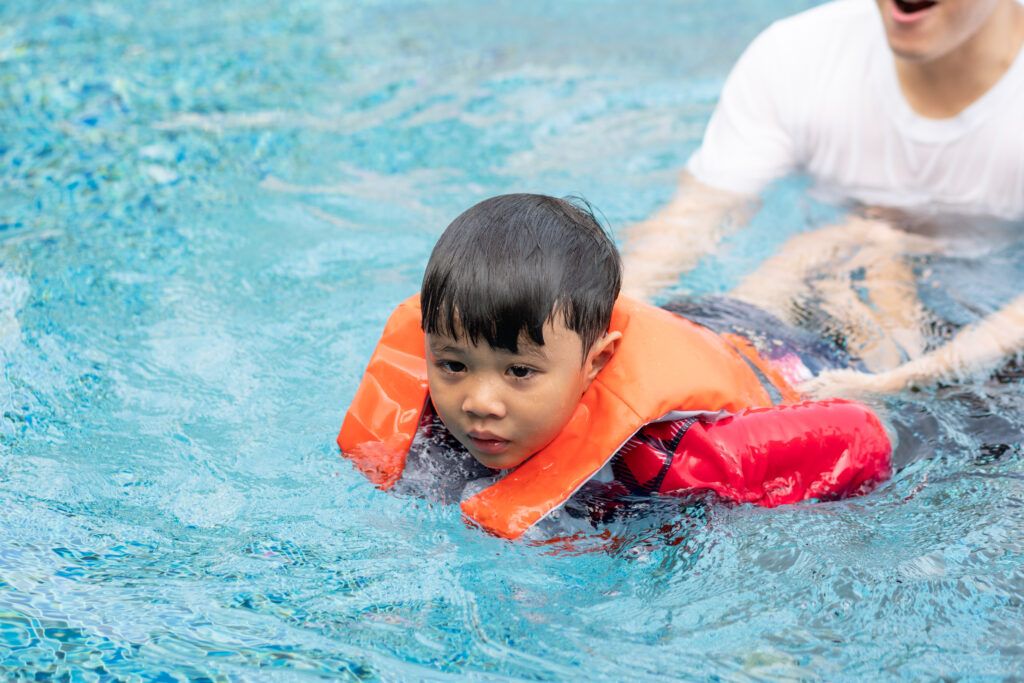
As parents, ensuring the safety and well-being of our children is paramount. One area that demands our attention is water safety. Drowning remains a leading cause of unintentional injury deaths among children, especially those aged 1 to 4. This alarming statistic underscores the importance of equipping our children with essential survival swimming skills. Understanding Survival Swim Lessons Unlike traditional swimming lessons that focus on stroke techniques and recreational skills, survival swim lessons are designed to teach children critical self-rescue techniques. These skills enable a child to: These lessons aim to prepare children for unexpected situations where they might find themselves in water unsupervised. The Importance of Early Introduction Introducing children to water safety at an early age offers numerous benefits: Addressing Concerns and Misconceptions Some parents may have reservations about enrolling their young children in survival swim lessons, fearing they might be traumatic or that infants cannot grasp such skills. However, studies suggest that water survival skills training and swim lessons can help reduce drowning risk for children between ages 1-4. Integrating Survival Skills into Daily Life Beyond formal lessons, parents can reinforce water safety through: The Role of Conscious Parenting in Water Safety Adopting The Conscious Parent approach means being aware of potential hazards and proactively addressing them. This involves: Conclusion: Taking the Plunge Towards Safety Investing in survival swim lessons is a proactive step towards safeguarding our children against drowning incidents. By integrating water safety into our parenting practices and daily routines, we empower our children with the skills and confidence they need to navigate aquatic environments safely. Tip: Always ensure that swimming pools are secured with appropriate barriers and that children are supervised by attentive adults when near water. For more insights and updates on child safety and development, don’t forget to follow us on Instagram, and YouTube for more insights and expertise.For the latest news and updates, click here to view our recent press releases.
From Bully to Bestie: How to Help Your Kids Develop a Kindness Toolbox

In today’s fast-paced world, fostering kindness and empathy in children is more crucial than ever. As parents and caregivers, we play a pivotal role in guiding our children toward understanding and practicing compassion. By equipping them with a “kindness toolbox,” we can transform potential negative behaviors into positive interactions, helping them evolve from bully to bestie. Understanding the Importance of Kindness Kindness is more than just polite behavior; it’s a fundamental aspect of holistic child development. Children who learn to be kind from an early age are more likely to develop strong social connections, exhibit better mental health, and contribute positively to their communities. Teaching kindness also enhances emotional regulation in kids, allowing them to manage their feelings effectively and respond to others with empathy. Building the Kindness Toolbox Developing a kindness toolbox involves integrating various strategies and activities that promote empathy, compassion, and positive social interactions. Here are some effective approaches: 1. Model Kind Behavior Children learn by observing adults. Demonstrate acts of kindness in your daily life, whether it’s helping a neighbor or expressing gratitude. This sets a powerful example for your children to emulate. 2. Engage in Role-Playing Scenarios Role-playing different situations can help children understand the impact of their actions. For instance, acting out scenarios where someone is being left out can teach them to recognize and address exclusion. This method aligns with active listening parenting, encouraging children to listen and respond thoughtfully. 3. Introduce Kindness-Focused Activities Incorporate activities that promote kind-heartedness into your routine. For younger children, toddler activities like sharing games or cooperative play can be beneficial. For older kids, community service or creating “kindness cards” for classmates can instill a sense of empathy. Resources like the School of kind-heartedness offer a variety of activities suitable for different age groups. 4. Utilize Educational Tools Books and media play a significant role in shaping a child’s understanding of kindness. Selecting literature from the best parenting books that focus on empathy and compassion can reinforce these values. Additionally, educational programs like the “Learn With Sesame Street” app are designed to help children develop emotional well-being and early learning skills, teaching them about emotions, friendship, and daily routines through engaging activities and stories with beloved characters. 5. Practice Mindful Parenting Being present and attentive to your child’s needs fosters a nurturing environment. Mindful parenting encourages parents to respond rather than react, promoting a calm and supportive atmosphere that naturally cultivates kindness. 6. Implement Nonviolent Communication Teaching children to express their feelings and needs without aggression is crucial. Nonviolent communication techniques can help them articulate their emotions and understand others’ perspectives, reducing conflicts and promoting empathy. 7. Conduct Regular Family Meetings Holding family meetings provides a platform for open communication. Discussing experiences, addressing concerns, and planning toddler activities together can strengthen family bonds and reinforce the importance of kindness within the household. The Role of Schools in Promoting Kindness Educational institutions also play a vital role in nurturing kindness. For example, France has mandated the teaching of empathy in primary schools to address rising individualism and bullying. The curriculum includes identifying emotions and responding empathetically, thereby fostering social skills and self-esteem. Conclusion Equipping children with a kindness toolbox is an ongoing process that requires dedication and consistency. By modeling kind behavior, engaging in empathy-building activities, and fostering open communication, we can guide our children toward becoming compassionate individuals. Tip: Encourage your child to perform one act of kind-heartedness each day, no matter how small. This practice can significantly enhance their empathy and understanding of others.For more insights and resources on fostering kindness and empathy in children, don’t forget to follow us on Instagram, and YouTube.