

Screen Time + Kids: Conscious Usage of Technology
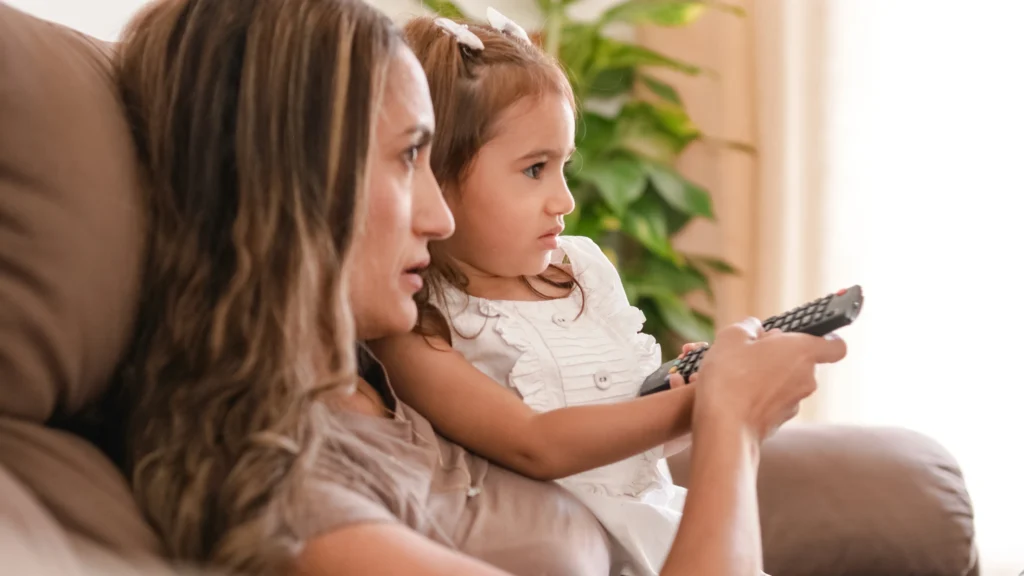
In an electronic age, control of screen time in children is one of the most significant issues amongst parents in the USA. Screen technology has seeped into our lives (through tablets, smartphones, televisions, computers) and it can feel like wading through the sea of their impact on child development. Instead of viewing screens through a lens of limitation and control, the conscious parent embraces a mindful parenting approach to technology that prioritises balance, connection, and thoughtful use. The authoritative Child Development Specialist, and mindful parenting proponent Vedangi Brahmbhatt, advocates healthy screen time as one of the desired results of Holistic Child Development and healthy parent-child bonds. This blog addresses ways in which parents can practically confront screen time in ways that support emotional regulation and good behaviour in children. Prioritise Quality Over Quantity in Toddler Activities and Screen Exposure American Academy of Paediatrics recommends that toddlers have less screen time, but they need to be involved in developmentally appropriate activities. So it’s important that we deliberately reach for high-quality educational and interactive material instead of focusing only on reducing hours. The combination of Toddler Activities that include movement, creativity, and practicality will decrease passive time at the screen and increase active time. Parents are able to create experiences on the screen that are supplemental but not alternatives to physical play and social interaction. Promote Open Conversation with Family Meetings and Active Listening Parenting The use of technology impacts the entire family structure, so dialogue needs to be open. Family meetings organised around technology regulations make them respectful of each other and accountable to each other. At these meetings, parents and children can talk about expectations, benefits, and concerns around screen use. Using Active Listening Parenting methods during these conversations helps parents respond mindfully to children’s experiences with media. This provides a sense of independence for kids, helps build trust, and reduces conflicts around screen time a cornerstone of mindful parenting. Support Emotional Regulation Kids and Holistic Development Around Screen Use Excessive or unregulated screen time may contribute to difficulties in Emotional Regulation Kids often exhibit, such as irritability or distraction. As parents, being good role models of wise technology use, while maintaining consistent structures and limits, provides children with opportunities to practise self-control. The integration of screens into a unified system of Holistic Child Development means balancing digital communication with social skills, creativity, and empathy. The conscious parent also knows when to take breaks from screens to prioritise bonding, play, and family connections in the real world. Conclusion: Being Mindful of Technology to Flourish Families Finding the right balance between screens and children’s well-being requires purpose and empathy. Parents can prepare their toddlers for success in the digital era through prioritisation of quality content, enrichment of Toddler Activities, open Family meetings, Active Listening Parenting, and consistent emotional regulation practices. For personalised guidance, you can reach out to Vedangi Brahmbhatt a Child Development Specialist and expert in conscious co-parenting and mindful parenting. She provides tools and resources that enable you to become the conscious parent your family needs. And remember to subscribe to us on Instagram, and YouTube for more insights into mindful parenting and Holistic Child Development.
Parenting Without Yelling: Ways That Work
Let’s be real. Parenting isn’t easy, but it can also feel overwhelming. Your child may throw food. They may cry a lot at bedtime. You’re exhausted. They’re exhausted. Sometimes it seems like raising your voice is the only option, but it rarely helps children learn or grow. It just makes things worse. You know there is a better way. As a Child Development Specialist, I work with families who want to nurture confident, emotionally healthy, and happy children. They do not want to yell at or punish you. The good news is that you can nurture your child with compassion while keeping fair rules. It starts with you, a plan, and a few practical approaches that work every day. 1. Pause, breathe, then respond It’s not about never feeling angry, it’s about guiding it into constructive action. A great tool in mindful parenting is to wait before you act. This short time lets you calm down. It stops you from just yelling out. Try this: When you feel the urge to yell, place your hand on your heart and take three deep breaths. You’re not ignoring the problem—you’re simply calming yourself before responding. This shows your child’s emotional regulation. When you do this a lot, your child learns it too. This is a big part of holistic child development. 2. Replace yelling with nonviolent communication. When a child acts out, it is often a cry for help. They may not have the words to say what they need. Act with intention, not with anger. Use Nonviolent Communication to see what they need and show that you understand. Example: Instead of yelling, “Why are you so messy all the time?” Try: “I feel sad when I see toys all over.” I like a clean room. Can we clean up as a team after this game?” This also helps with Active Listening Parenting. Your child will feel truly seen and heard, not judged or embarrassed. 3. Create rituals that reinforce connection and boundaries Ways of stopping problems are as important as ways to fix them. One easy but strong tool is a family meeting. This is a check-in each week. Everyone in the home can share their feelings, express their worries, and talk about the positives. This helps with conscious co-parenting. It shows kids how to work as a team to fix problems. Make routines fun by including simple, enjoyable activity sets for your toddler. This gives your child a plan and a feeling that they are part of the family. A child who feels close to you is less likely to “act out.” A study shows that when you are in tune with a young child’s feelings, they grow up with better self-control. These are the outcomes we hope to see from positive discipline strategies for toddlers. Conclusion: Yelling Isn’t the Only Option Yelling doesn’t make you a bad parent, it means you’re human. But if you’re reading this, you’re already taking the first step toward change. You can be the conscious parent your child needs. Tip: Develop a ‘calm plan’ together, so when emotions are out of control, you both know it’s time to pause. Only after you’re both calm, you can talk things through. This plan gives you both a tool to use when feelings seem uncontrollable. Remember this: you are not on your own. We can help you. Our conversations are guided by the ideas of Conscious Co-Parenting NJ. We also draw on proven strategies from some of the best parenting books available. Don’t forget to follow us on Instagram, and YouTube for more good ideas. For new news, click here to see our most recent press releases.
How to Help Your Child with Big Feelings and Not Act Fast

If you are a parent, you have seen all of your child’s feelings. Tears for the wrong bowl. Being upset at bed time. Or mad when they have to share. In those hard times, it is easy to act fast. But what if you chose to help, not just act? As a Child Development Specialist, I have helped many parents in the U.S. and other places use mindful parenting. This way helps you be calm even when your child is not. I will show you how to deal with your own feelings and help your child with their big feelings. This helps you both feel close and helps with emotional regulation. 1. Pause First, Act Later It may sound easy, but to pause first is a big help. Big feelings can come from a need. They may be hungry or tired. Or there is too much going on. When a child’s head is full of big feelings, they can’t think well. They need to feel safe and close to you. As the conscious parent, your job is not to fix the feeling. Your job is to be calm with them. Try this: Put your hand on your heart when your child is upset. Count to five in your head. This can help calm your body down so you can show them how to be calm. 2. Show You See, Don’t Make It Small Did you ever say, “It’s not a big deal”? Then the big feelings got worse. That is because to them, it is a big deal. Active Listening Parenting is when you say back what your child feels. You can say it even if the feeling seems too big. This is the base of Nonviolent Communication. You show you see their feeling. You don’t make them feel bad or wrong now. You teach your child that feelings are okay. You show them it is safe to show how they feel. This helps with emotional regulation kids can learn for life. 3. Make Rules with Love Being kind does not mean there are no rules. Kids do well when they have rules, more so when rules are set with love. Example: “It is okay to be mad, but it is not okay to hit. Let’s use our words or take a break.” This is part of positive discipline strategies for toddlers. You teach, not punish. You are still the conscious parent. You lead, but you don’t force. Over time, this makes Holistic Child Development. They learn about feelings, and they learn to care, talk, and be strong. A Look at Parents Now A 2023 report from the American Psychological Association said that 7 out of 10 parents in the U.S. say they act on their feelings in hard times with their kids. But kids whose parents are calm and kind have been shown to feel good about who they are. They do better in school. They are good with other kids. That is the real power of how to implement conscious parenting techniques at home. It is not just for now. It is for how they grow and feel for a long time. To End: Helping is the New Way No one is a perfect parent. We all have times when we use a loud voice or feel it is all too much. But each time you are close is a time to teach your child. You can teach them that feelings are not to be feared. They are for us to know more. Tip: Put a “Feelings Chart” on your fridge. It helps your child name their feeling. It gives you a picture to help you start a calm talk. Don’t forget to follow us on Instagram, and YouTube for more ideas and help to raise kids who are smart about feelings. For new news, click here to see our new press releases.
How to Really Listen to Your Child: The Art of Conscious Communication

Are you ever busy with a job—like making food or work—when your child comes to tell you a big thing? You nod and say “uh-huh,” but their eyes stay on you. They wait for you to really look at them. That look is a sign. Your child does not just want to talk. They want to be heard. As a Child Development Specialist, I see now that one of the best gifts we can give our kids is our full time and care. To give your time and care is not just to be in the same room. It is to join in with Active Listening Parenting, show you see their feelings, and use what I call Conscious paranting. Here, we will look at how to be the conscious parent. A parent who listens with care, gives kind words back, and builds a life of trust with their child. 1. Listening Is More Than Hearing Hearing just happens. Listening is work. It is to use your ears, eyes, and heart. When your child talks, do you look at them? Do you stop what you do? Do you show that you see how they feel? Like this: “You look very sad your toys fell. That must feel bad.” That is Nonviolent Communication. You show you see their feelings. You do not judge or fix them. This is a key part of mindful parenting. With it, your time and care mean more than being right. Life shows that kids who feel heard have a good hold on their feelings. They can also work out hard things as they grow up. This is called Emotional Regulation. 2. Ask, Don’t Tell When your child tells you a thing—a big thing—you may want to give help or fix it. But most of the time, they just want you to know how they feel. Try to ask questions that need more than a yes or no: This lets them talk more. It helps them find words for their feelings. This is a main part of Holistic Child Development. In Family Meeting times I have led, parents who do this all the time see a big change. Their kids talk more and end fights in a good way. It is also a key rule for conscious co-parenting like we teach at Vedangi Brahmbhatt. 3. Make Times to Talk Some of the best talks can be had in day-to-day life. It can be in the bath, in the car, or when you make food. These are good times for Toddler Activities. You can add set times to check in. One way is to ask for one good thing and one hard thing from the day. These small habits can help all kids share more. They show the benefits of mindful parenting for child development and help kids feel safe. Tip: Make a “listen time” for 5 minutes each day. Your child talks and you just listen. Do not stop them, give help, or do other work. It is a very good thing to do. Real-Time Insight: A new look at life in 2024 shows that homes that use listening and kind talk each day have far less bad ways of acting out. This shows how to implement conscious parenting techniques at home is not just an idea—it brings a very big change. Conclusion: A Tool for Life Kids do not need us to know all the things. They need us to be there for them. To make space for their big questions, what they fear, and their joy. When we use conscious communication, we build trust. We help them feel good about who they are. We help them be strong inside. Parenting Tip: When feelings are big, try to say their words back to them. It shows you love them and are with them. It helps them to keep on with their story. Don’t forget to follow us on Instagram, and YouTube for more on mindful parenting and conscious communication. For the latest news, click here to view our recent press releases.
How to Respond to Your Child’s Big Emotions Without Reacting

If you’re a parent, you’ve probably witnessed the full spectrum of your child’s emotions—tears over the wrong cereal bowl, frustration about bedtime, or anger when asked to share a toy. And in those heated moments, it’s tempting to react. But what if, instead of reacting, we responded with intention? As a Child Development Specialist, I’ve guided hundreds of parents in the U.S. and beyond to embrace mindful parenting—an approach that empowers you to show up with calm even when your child can’t. In this blog, I’ll share how to manage your own triggers and respond thoughtfully to your child’s emotional storms, promoting connection and emotional regulation for both of you. 1. Pause First, React Later It might sound simple, but pausing before responding is one of the most transformative parenting tools. Big emotions often stem from unmet needs, hunger, fatigue, or overstimulation. When a child’s brain is flooded with emotion, they aren’t ready for logic or lectures. They’re looking for safety and connection. As the conscious parent, your job isn’t to fix the emotion—it’s to be a calm presence during it. Try this: Place your hand on your chest when your child is upset and silently count to five. This grounding technique helps regulate your nervous system so you can model calm. 2. Validate, Don’t Minimize Have you ever said, “It’s not a big deal,” only to watch your child’s tantrum escalate? That’s because, to them, it is a big deal. Active Listening Parenting involves reflecting your child’s feelings, even if they seem exaggerated. This is the foundation of Nonviolent Communication—validating without shaming or correcting right away. You’re teaching your child that emotions are okay, and that they are safe to express them. By doing this, you promote emotional regulation kids can internalize for life. 3. Set Boundaries with Empathy Responding with compassion doesn’t mean being permissive. Children thrive on boundaries, especially when set with love. Example: “You’re allowed to be angry, but it’s not okay to hit. Let’s use words or take a break.” This approach aligns with positive discipline strategies for toddlers—teaching without punishment. You’re still the conscious parent, but you’re guiding instead of controlling. Over time, this creates Holistic Child Development, where emotional intelligence grows alongside empathy, communication, and resilience. Real-Time Parenting Insight According to a 2023 report from the American Psychological Association, 70% of parents in the U.S. admit to reacting emotionally during conflicts with their children. However, children whose parents consistently respond with calm and empathy are shown to have higher self-esteem, improved school performance, and better peer relationships. That’s the real power of how to implement conscious parenting techniques at home—it’s not just about the moment; it’s about long-term emotional development. Conclusion: Responding is the New Reacting No parent is perfect—we all have moments when we raise our voices or feel overwhelmed. But each moment of connection is a chance to teach your child that emotions are not something to fear, but something to understand. Tip: Keep a “Feelings Chart” on your fridge. It helps your child identify what they’re feeling, and it gives you a visual cue to help start a calm conversation. Don’t forget to follow us on Instagram, and YouTube for more insights and expertise on raising emotionally intelligent kids. For the latest news and updates, click here to view our recent press releases.
How to Stay Calm When Your Child Is Having a Meltdown

There’s nothing quite as challenging—or humbling—as staying composed when your child is mid-meltdown in the middle of the grocery store. Whether it’s a spilled snack, a denied toy, or “just because,” meltdowns test even the most patient caregivers. But how we respond in these moments matters deeply—not just for our kids, but for our own emotional well-being. As a Child Development Specialist, I’ve seen that these high-stress moments are also powerful opportunities. Opportunities to model emotional regulation, create connection, and embody what it means to be the conscious parent. Let’s talk about how you can stay grounded—even when everything feels like it’s unraveling. 1. Regulate Yourself First: Your Calm Is Contagious Before you can guide your child through their storm, you must anchor yourself. Children subconsciously borrow our nervous systems—if we’re anxious, they escalate. If we stay calm, they begin to regulate. Incorporate mindful parenting techniques like deep breathing or repeating calming mantras such as “My child is having a hard time, not giving me a hard time.” This pause allows you to respond, not react. And yes, it’s okay to take a moment for yourself. Step away briefly (when safe), close your eyes, breathe deep, and ground your feet. You’ll return more present and composed. 2. Empathy Over Explanation When a child is in meltdown mode, logic won’t land. Instead of trying to explain or fix, lean into connection. Get down to their eye level and use Active Listening Parenting tools: “I see you’re really upset. I’m here with you.” This nonjudgmental presence helps your child feel seen and safe. It’s also a practice rooted in Nonviolent Communication, which is key to nurturing trust and co-regulation. Think of these moments as micro Family Meetings—they’re not scheduled, but they’re full of emotional data. They tell you what your child is struggling with, and what they need from you emotionally, not behaviorally. 3. Set Boundaries with Compassion Being calm doesn’t mean being permissive. Children thrive with clear, loving limits. Use positive discipline strategies for toddlers such as “I won’t let you hit, but I’ll help you with those big feelings.” It’s a dance between empathy and boundaries. The goal is to stay connected while guiding. This approach supports Holistic Child Development—meeting their emotional, cognitive, and social needs in the moment. Over time, these small interactions shape your child’s ability to handle frustration, communicate clearly, and develop healthy coping skills. Real-Time Research and Stats According to a 2023 study by the American Psychological Association, children whose parents consistently respond with calmness and connection during emotional outbursts are 60% more likely to develop strong self-regulation skills by age 5. Practicing how to implement conscious parenting techniques at home not only builds emotional safety but also decreases behavioral problems over time. Conclusion: Choose Connection Over Control Parenting isn’t about perfection—it’s about presence. Staying calm during your child’s meltdowns isn’t easy, but it is deeply impactful. Every moment you choose connection over control, empathy over reaction, you lay the foundation for lifelong emotional intelligence. Tip: Create a calm corner at home—a cozy space with soft lighting, favorite books, or sensory items where your child can go to reset when things feel big. Don’t forget to follow us on Instagram, and YouTube for more insights and expertise. For the latest news and updates, click here to view our recent press releases.
Why Your Child’s Behavior Is a Reflection of Your Inner World

Have you ever noticed your child acting out just as you’re feeling overwhelmed, anxious, or disconnected? It’s not a coincidence. As parents, we are our children’s first environment, and often, their behaviors mirror our internal emotional climate. Understanding this reflection is a cornerstone of mindful parenting—and embracing it can transform your parenting journey into a healing one for both you and your child. As a Child Development Specialist, I’ve worked with countless families navigating this dynamic. The moment a parent begins to turn inward, asking “What is this behavior trying to show me about myself?”, that’s when real breakthroughs happen. Let’s explore how your child’s behavior is a reflection of your inner world—and how you can shift that dynamic with awareness, tools, and compassion. 1. Emotions Are Contagious: Your Calm Is Their Calm Children are incredibly sensitive to emotional energy. If you’re feeling anxious, frustrated, or emotionally unavailable, your child may respond by acting out, withdrawing, or becoming overly clingy. These behaviors aren’t random—they’re responses to an environment they don’t yet know how to verbalize. This is where emotional regulation kids begins—with us. Instead of immediately correcting their behavior, pause and check in with your own body. Are you tense? Distracted? Exhausted? Naming and soothing your own emotion is step one in shifting theirs. This is the benefit of mindful parenting for child development—when we stay grounded, our children feel safer, and their behaviors naturally stabilize. 2. Behavior as Communication: What Are They Really Saying? Behavior is a child’s primary way of communicating unmet needs. If your toddler is throwing tantrums every night at dinner, it might not be about the food—it could be about craving more connection with you. When we take time for intentional connection, such as toddler activities like play-based storytelling or creative expression, we begin to meet those unspoken needs. Tools like Active Listening Parenting can help decode what lies beneath the behavior. Instead of “Why are you being so difficult?”, ask, “What are you trying to tell me right now?” This shift from control to curiosity is what the conscious parent embraces—and it’s often the doorway to healing not just your child’s struggle, but your own childhood echoes as well. 3. Conscious Parenting Changes the Legacy Many of us grew up in homes where emotions were dismissed or discipline meant punishment. But today, parents are empowered to break those cycles. With positive discipline strategies for toddlers, you can set firm, respectful boundaries while preserving emotional connection. For example, saying “I won’t let you hit, but I’m here to help you with your big feelings” teaches both limits and love. And when both caregivers commit to conscious co-parenting, it creates consistency, emotional safety, and powerful modeling for your child. If you’re navigating this with a partner, our Conscious Co-Parenting NJ consultation services are designed to help both of you show up with clarity and unity. Real-Time Insight: The Science Behind the Reflection According to a 2022 study in the Journal of Child Psychology and Psychiatry, children of parents who practice mindful parenting exhibit significantly fewer behavioral issues and higher emotional intelligence. Furthermore, open discussions during regular family meetings foster resilience, communication skills, and mutual understanding within the household. Conclusion: Heal Yourself, Help Your Child Thrive Your child is not trying to give you a hard time—they’re having a hard time. And often, it’s a reflection of our own unspoken emotional landscape. But with curiosity, self-awareness, and a commitment to how to implement conscious parenting techniques at home, you can break old cycles and co-create a more peaceful, connected family experience. Tip: Next time your child acts out, pause and ask: “What’s happening within me right now?” This small moment of reflection can lead to powerful transformation. Don’t forget to follow us on Instagram, and YouTube for more insights and expertise. For the latest news and updates, click here to view our recent press releases.
Breaking Generational Parenting Patterns: A Path to Healing

Parenting is a journey intertwined with chapters from past generations. Many of us unknowingly repeat habits—both loving and limiting—that were passed down to us. From strict discipline to emotional suppression, these generational patterns can cling to us, affecting our children and family legacy. But here’s the hopeful truth: awareness and intentional change can create ripples of healing that enrich generations to come. In this post, we’ll explore three actionable strategies to break these cycles, introducing you to a journey of transformation rooted in mindful parenting and conscious co-parenting. 1. Understand the Roots of Your Patterns Reflect on Family History Begin with self-awareness. Consider your upbringing—were emotions openly expressed, or were they suppressed in favor of stoicism? Did praise pour forth, or did criticism dominate? Identifying these ingrained behaviors helps illuminate the areas needing change. 2. Implement Conscious and Mindful Parenting Practices Once you recognize inherited patterns, intentional change can begin: a. How to implement conscious parenting techniques at home b. Embrace Nonviolent Communication c. Positive direction with positive discipline strategies for toddlers d. Practice benefits of mindful parenting for child development 3. Build a Supportive System Around You Transforming generational patterns doesn’t happen in a vacuum—it thrives with support and guidance. a. Engage with a Child Development Specialist b. Lean into conscious co-parenting c. Equip Yourself with Expert Resources d. Practice Regular Family Meetings Real-Time Impact: What the Research Shows Conclusion Breaking generational parenting patterns is courageous work—but deeply rewarding. By recognizing inherited habits, embracing conscious parenting, and building a supportive framework, you’re not just guiding your child today—you’re setting a generational path of healing. Tip: Start small—dedicate five minutes each evening to discuss highs and lows with your child. Choose empathy, stay curious, and remain present. For more tools to support your journey, don’t forget to follow us on Instagram, and YouTube.For the latest news, research, and expert features, click here to view our recent press releases—and stay empowered on your path as the conscious parent.
How to Raise Emotionally Intelligent Children?

In today’s fast-moving world, being book-smart is no longer enough. What truly sets children up for a successful and fulfilling life is their emotional intelligence—the ability to recognize, understand, and manage their own emotions while empathizing with others. And like any skill, emotional intelligence isn’t something kids are just born with—it’s something they learn. As the conscious parent, raising emotionally intelligent children means prioritizing connection over correction and curiosity over control. It’s about equipping your child with the emotional tools they need to thrive in relationships, school, and eventually, the workplace. Whether you’re parenting toddlers or teenagers, this beginner-friendly guide—grounded in science, compassion, and mindful parenting—will walk you through how to begin nurturing emotional intelligence right from home. 1. Name It to Tame It: Teach Emotional Awareness The first step in raising emotionally intelligent kids is helping them identify and label their emotions. This may seem simple, but many adults still struggle to do this clearly. When we support children in naming their emotions, we give them the power to express, understand, and eventually regulate them. Try this: As child development specialists affirm, emotion labeling activates the thinking brain (prefrontal cortex) and soothes the emotional brain (amygdala). This “name it to tame it” concept helps children feel seen and teaches them that all emotions are valid—even the tough ones. And when your child does open up, respond with active listening parenting—reflect back what you hear without fixing or minimizing. 2. Model Emotional Regulation and Repair Your child learns how to manage emotions not from what you say—but from what you do. That’s why the conscious parent begins with self-awareness. Do you shut down when angry? Raise your voice when overwhelmed? These are teachable moments—not just for your child, but for you. Show them that emotions aren’t something to fear or avoid. How to model regulation: This level of emotional transparency builds trust and safety, especially in families practicing conscious co-parenting. Whether you live under the same roof or are co-parenting across two homes (like the model in Conscious Co-Parenting NJ), consistency in emotional modeling matters. Repairing and reconnecting regularly—especially during family meetings—also fosters holistic child development by teaching children that mistakes don’t define us and that relationships can recover and grow. 3. Encourage Empathy and Problem-Solving Emotional intelligence isn’t just about handling your own emotions—it’s about responding to others with empathy. Start early by helping kids step into someone else’s shoes. When conflicts arise between siblings or friends: You can also practice this skill proactively during role-play, stories, or community experiences. Encourage your child to help a friend in need, donate toys, or comfort someone who is sad. These habits reinforce the benefits of mindful parenting for child development, where compassion becomes second nature. And when they face tough situations—like losing a game, being excluded, or failing a test—support their growth by focusing on solutions rather than blame. Use positive discipline strategies for toddlers and older children to teach boundaries with kindness: Final Thoughts: Raising Hearts as Well as Minds At the end of the day, what we want most for our kids isn’t just that they succeed—but that they feel whole, connected, and confident in who they are. Emotional intelligence is the cornerstone of that wholeness. By raising emotionally intelligent children, we raise future adults who know how to love, lead, listen, and live with integrity. And that starts with us—one conversation, one breath, one moment at a time. At Vedangi Brahmbhatt, we’re here to walk with you on this journey of heart-first parenting. Whether you’re just starting out or already diving into deeper emotional work, remember: you don’t have to be perfect—you just have to be present. Emotional Intelligence Tip: Create a “Feelings Corner” at home—a cozy space with emotion flashcards, sensory toys, calming music, and a journal. It becomes a safe zone for your child to cool off and connect with their feelings. Stay Connected: For more tools, emotional coaching tips, and parenting insights: 👉 Follow us on Instagram, and YouTube For the latest news and updates, click here to view our recent press releases.
The Difference Between Traditional and Conscious Parenting

“Because I said so.” For many of us, those words echo in memory—firm, final, and unquestioned. Traditional parenting, rooted in obedience and authority, has long been the go-to model for raising children. But as our understanding of emotional health, communication, and child psychology evolves, so does the way we parent. Welcome to the world of the conscious parent—a paradigm where empathy, emotional awareness, and presence take center stage. At Vedangi Brahmbhatt, we guide families toward more connected and intentional parenting practices. This article breaks down the core differences between traditional parenting and conscious parenting, helping you decide what resonates best for your family’s journey. 1. Control vs Connection Traditional Parenting: Traditional parenting often operates on a top-down model, where the parent is the authority and the child is expected to obey. Discipline often involves rewards for good behavior and punishments for bad behavior, aiming to manage behavior through external control. This approach can result in compliance—but sometimes at the cost of emotional expression or internalized shame. Conscious Parenting: Conscious parenting shifts the focus from control to connection. Rather than trying to manage a child’s behavior, conscious parents try to understand the emotions beneath the behavior. It’s about addressing the root cause, not just the surface response. By practicing active listening parenting and tuning into your child’s emotional needs, you create a safe, nurturing space where growth happens through mutual understanding—not fear. This style of parenting is deeply aligned with mindful parenting, which prioritizes being present and emotionally responsive rather than reactive. Children raised in this environment are more likely to develop emotional regulation skills, fostering long-term mental wellness. 2. Obedience vs Emotional Awareness Traditional Parenting: In traditional models, a child’s obedience is often viewed as the benchmark for successful parenting. There is an emphasis on respect for authority, often without the same weight placed on understanding emotions or validating the child’s perspective. While structure is important, this approach can sometimes suppress a child’s voice, leaving them less equipped to navigate emotions or advocate for themselves. Conscious Parenting: The conscious parent believes that emotions are information, not problems. Children are encouraged to express their feelings, ask questions, and participate in conversations about limits and consequences. This doesn’t mean a lack of structure—boundaries still exist, but they’re rooted in compassion and communication. Using tools from nonviolent communication, parents teach children how to express needs respectfully while also listening to others. This lays a strong foundation for holistic child development, where emotional intelligence and self-regulation are key outcomes. If you’re co-parenting, embracing conscious co-parenting (like that modeled in Conscious Co-Parenting NJ) ensures that both caregivers support the child’s emotional world consistently—no matter how many households they live in. 3. Behavior Correction vs Inner Growth Traditional Parenting: Traditionally, parenting revolves around shaping a child’s behavior to meet social expectations—be polite, don’t talk back, don’t cry in public. Mistakes are often met with consequences, and success is typically measured by external achievement or compliance. This can create children who are “well-behaved” but who struggle with emotional resilience, self-awareness, or authentic expression. Conscious Parenting: In contrast, conscious parenting sees parenting as a mirror. Children reflect our triggers, our fears, and our unmet needs. Rather than correcting them, we pause to explore what’s coming up in us. By focusing on internal growth and healing, parents model what it means to own mistakes, manage stress, and navigate difficult emotions. This vulnerability invites children to do the same—without fear of rejection or punishment. That’s why practices like family meetings, which encourage open discussion and shared decision-making, are often used in conscious homes. These conversations model accountability, empathy, and healthy conflict resolution. And for younger children, even routine toddler activities—like putting on shoes or sharing toys—become opportunities to teach autonomy and emotional literacy using positive discipline strategies for toddlers. Final Thoughts: It’s Not Either/Or—It’s Evolve and Integrate Traditional parenting gave many of us structure, values, and safety. But conscious parenting builds on that foundation by weaving in emotional intelligence, empathy, and reflection. It’s not about discarding the old—it’s about evolving into something more complete, more connected, and more human. You don’t have to get it perfect. Conscious parenting is not about being calm 100% of the time—it’s about being aware, curious, and willing to grow. And at Vedangi Brahmbhatt, we’re here to walk that journey with you. Parenting Tip: Before correcting your child’s behavior, try this 3-step pause: This brief moment of awareness can turn a power struggle into a breakthrough. Stay Connected: For more insights, tools, and heart-led parenting content: 👉 Follow us on Instagram, and YouTube For the latest news and updates, click here to view our recent press releases.