

Mental Health in Children: Recognizing Signs and Supporting Well-being

The mental health of children is an increasingly pressing issue. Paediatricians and mental health professionals are raising alarms as children face unprecedented challenges, including the lingering effects of the pandemic and growing societal pressures. As parents, it’s crucial to be vigilant in recognizing early signs of distress, as these can pave the way for early intervention and support. Let’s explore the initial signs of mental health struggles in children and how we, as parents, can guide them through these challenges with compassion and mindful parenting. Recognizing the Signs of Distress Children often express mental distress differently than adults, so it’s essential to understand their behaviors and emotions from a developmental perspective. Here are some initial signs that may indicate your child is struggling: What to Do When You Notice Signs of Distress If you observe any of these behaviors, it’s essential to approach the situation with patience and empathy. Conscious parenting encourages us to be fully present with our children, acknowledging their emotions without judgment. Finding Supportive Resources It’s also helpful to seek out resources that align with your child’s needs. From child development classes online to community-based programs, there are numerous avenues for gaining insight into your child’s mental health journey. Access to best parenting resources can empower you as a parent to support your child effectively and understand their unique needs. Fostering Mental Health through Community No parent should have to navigate these challenges alone. Following parenting-focused communities on social media, such as our Instagram and YouTube channels, can provide valuable tips, expert interviews, and support from other parents who may be facing similar situations. Sharing stories, resources, and insights can create a sense of community that strengthens our parenting journey. Final Thoughts: Your Role in Supporting Your Child’s Mental Health Supporting your child’s mental health is an ongoing journey that requires compassion, patience, and a commitment to understanding. Remember, noticing signs of distress is not a reflection of failure but an opportunity to strengthen your bond and guide them through life’s challenges.If you’re ever unsure, remember that reaching out for help is a powerful step toward supporting your child. Together, through mindful parenting and open communication, we can create a safe, nurturing environment where children feel seen, heard, and loved. Let’s walk this path with courage, knowing that each moment of connection helps build resilience and a brighter, healthier future for our children.
Crafts with Kids: Fun, Connection, and Learning Without the Mess
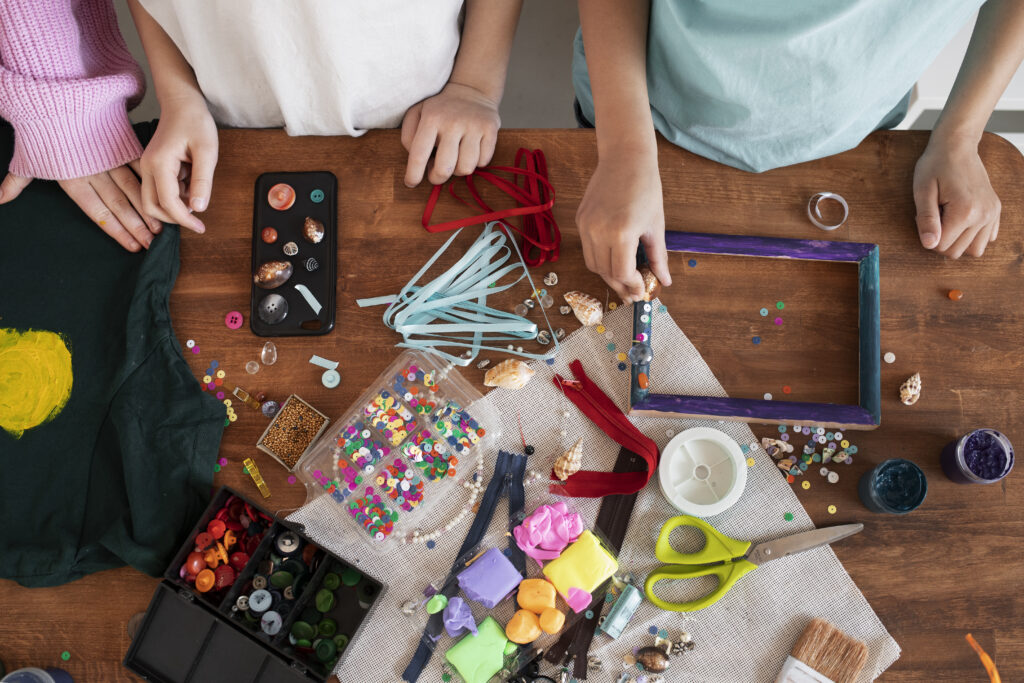
Crafting with kids is more than just a fun activity—it’s a wonderful way to foster creativity, boost development, and spend meaningful time together. Craft activities encourage children to explore their imagination, develop fine motor skills, and learn patience. As a parent, you may worry about the potential mess or how much effort it takes to get everything organized, but there are plenty of low-key crafts that keep your home intact and still engage your child. Why Crafts Are Beneficial for Kids Crafting offers a range of developmental benefits for children. Engaging in crafts can improve fine motor skills, as children cut, glue, or color. It encourages problem-solving as they figure out how to construct something or think creatively. Crafts also provide an opportunity for parent-child bonding; by working together, you’re sharing experiences, communicating, and building memories that last. Moreover, crafts foster a sense of achievement. When kids complete a project, they feel proud of their work, boosting their self-esteem and encouraging them to try new things. This is where mindful parenting comes in; being present and actively participating in your child’s crafting experience allows you to see the world through their eyes and reinforces the connection between you. Low-Key Craft Ideas to Minimize the Mess Here are a few easy, low-key craft ideas that engage children without causing chaos in your home: Tips for Mess-Free Crafting To make sure crafting remains a stress-free experience, here are a few tips: Bonding and Learning Through Crafts Crafting together can also serve as a great tool for conversation. Holding a family meeting to discuss upcoming craft ideas or letting your child choose the materials for a project can foster independence and make them feel valued. These activities also help children understand collaboration and patience. Crafting time is a perfect example of conscious co-parenting too, where both parents can get involved, share responsibilities, and enjoy the creative journey with their children. Plus, when kids see their parents involved, they’re often more excited to participate and learn. How Crafts Benefit Parents Too Crafting isn’t just beneficial for kids; it’s rewarding for parents as well. Watching your child’s creativity unfold can bring immense joy, reminding you of the importance of slowing down and enjoying simple pleasures. As a parent, crafting offers you a chance to be fully present with your child, which is at the heart of conscious parenting. Crafting can also give you insights into your child’s thought process, helping you understand their preferences and strengths. This perspective can be valuable as you explore child development resources or consider child development classes online to support your child’s learning journey. Final Thoughts: Make Crafting a Regular Bonding Activity Crafting with your child is a meaningful way to encourage creativity, support development, and strengthen your connection. It doesn’t have to be elaborate or messy to be effective. With simple, low-key projects, you can enjoy all the benefits of crafting without the stress. For more tips on activities that enhance family bonding and support your child’s growth, don’t forget to follow us on Instagram and YouTube. We share insights, tutorials, and ideas that make parenting and family life fulfilling and fun. Remember, the moments spent creating and connecting with your child are precious. Embrace them, enjoy them, and watch as your bond grows stronger with each masterpiece created together.
Vaccination: Making an Informed Decision for Your Child’s Health

Vaccinating our children is one of the most important choices we make as parents, impacting not only their health but also the well-being of our communities. However, deciding on vaccination schedules can feel overwhelming, especially with the abundance of information and differing opinions. Here, we’ll explore how to make an informed choice about vaccinations, focusing on their safety, efficacy, and the benefits for children. Why Vaccines Are Important Vaccines protect children from serious illnesses that once had devastating effects. Diseases like measles, mumps, and whooping cough were once common and often fatal, but thanks to widespread vaccination, they are now rare. Vaccinations work by teaching the immune system to recognize and combat specific germs, creating immunity without causing the illness itself. For parents practicing conscious parenting, vaccinations align with the goal of nurturing a child’s health in the most effective way possible. Vaccinating is an act of love and responsibility, ensuring that our children are protected while also safeguarding the health of others. Understanding Vaccine Safety and Efficacy One of the primary concerns for parents is the safety of vaccines. Vaccines undergo rigorous testing and must pass strict safety standards before being approved for use. Numerous studies have shown that vaccines are both safe and effective in preventing disease. While some children may experience mild side effects, like redness at the injection site or a slight fever, serious reactions are extremely rare. The benefits of vaccination far outweigh the risks. Vaccines are about prevention, reducing the chance of severe complications from diseases that can impact family well-being and lead to long-term health issues. Making Informed Decisions About Shot Schedules Vaccination schedules can vary depending on where you live, but they are typically designed to provide immunity at the ages when children are most vulnerable. Your child’s pediatrician is an excellent resource for understanding the recommended schedule and any adjustments based on individual health factors. If you’re feeling unsure, consider holding a family meeting to discuss the vaccination plan. Involving family members in the discussion helps ensure everyone understands the reasons behind each vaccine, building a supportive environment around your decision. Talking to Your Child About Vaccination Preparing children for vaccinations can make the experience less stressful for everyone. Using mindful parenting techniques, parents can help their children feel more comfortable and secure during vaccinations. Explain what to expect in simple terms: “The doctor will give you a little shot to help keep you healthy. It might pinch, but it’ll be over very quickly.” For younger children, you might engage them in activities for toddlers that encourage a positive mindset before visiting the doctor. Simple games like “doctor role play” can be fun and help them understand that doctors are there to help. Supporting a Healthy Vaccination Experience Here are a few practical tips to make vaccination day easier for both you and your child: Building Trust and Open Communication Parents can also seek the advice of a child development specialist if they have concerns about vaccine impacts on their child’s growth or well-being. Specialists can offer personalized guidance, addressing any unique health needs your child may have. If you’re co-parenting, discussing your vaccination plan openly and respectfully can ensure a united approach that supports your child’s health. Conscious co-parenting practices encourage open communication, where both parents have a voice in health decisions, fostering a sense of partnership and shared responsibility. Finding Supportive Resources Navigating vaccination decisions can be easier with reliable resources. Our website provides access to the best parenting resources, designed to support you in making informed choices. And don’t forget to follow us on Instagram and YouTube for tips, insights, and expert interviews that can empower your parenting journey with up-to-date information on topics like vaccination and child development. Final Thoughts: A Decision Rooted in Love and Care Vaccination is a personal yet impactful decision rooted in love and care for your child’s well-being. By prioritizing informed choices, you’re not only protecting your child from serious illness but also contributing to a healthier community. Taking proactive steps in your child’s health journey, like following recommended vaccination schedules, is a meaningful way to nurture their growth and resilience. Remember, each vaccination is a step toward a stronger, healthier future for your child. Embrace this journey with confidence, knowing that your thoughtful choices are setting them up for a life of well-being, safety, and happiness.
Fatherhood Matters: The Crucial Role of Dads in Child Development
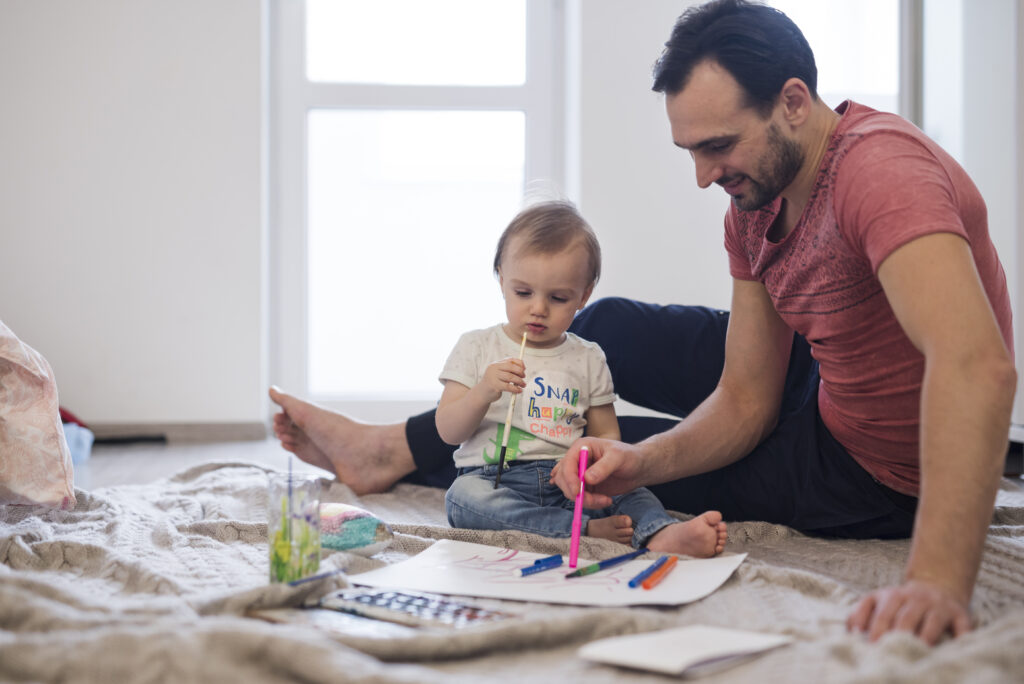
Fatherhood is not just about fulfilling a traditional role—it’s about shaping a child’s emotional and cognitive development in ways that are both profound and lasting. Studies have shown that the presence of a male role model, whether it’s a father or another nurturing male figure, has a positive impact on a child’s brain development. But what happens when a dad isn’t in the picture, and how can we create a fatherhood experience in different family dynamics, such as female-led relationships? The Impact of Fatherhood on Brain Development The involvement of a father or father figure in a child’s life offers unique contributions to their growth. Fathers often encourage more risk-taking and independence, fostering problem-solving skills and resilience. These experiences stimulate brain regions responsible for social behavior, cognitive flexibility, and emotional regulation. For instance, a father’s rough-and-tumble play helps children develop spatial awareness and emotional control, which are critical for brain development. Moreover, research indicates that children with an active male presence tend to perform better academically and have fewer behavioral problems. Their brains are wired to benefit from both maternal nurturing and the complementary parenting style that fathers often bring to the table, such as a balance of challenge and support. The Absence of a Father Figure When dads aren’t part of the equation, whether due to separation, loss, or other circumstances, children can still thrive with intentional parenting. However, the absence of a father figure can leave gaps in certain developmental areas. Research suggests that children growing up without male role models may face challenges with emotional regulation and social behavior. This doesn’t mean that children raised in single-mother households are at a disadvantage—it simply highlights the importance of ensuring a variety of nurturing relationships in a child’s life. In the absence of a father, extended family members, family friends, or mentors can step in to offer guidance, stability, and the encouragement that children need. Positive role models, both male and female, are crucial in creating a nurturing environment that supports a child’s holistic growth and family well-being. Fatherhood in Female-Led Relationships In female-led families, creating a fatherhood experience is about balancing different aspects of parenting to ensure children receive the benefits that both genders traditionally offer. This may involve including trusted male figures in the child’s life, such as uncles, grandfathers, or close family friends who can play a supportive, nurturing role. But just as important is recognizing that gender is not the only factor in successful parenting. Conscious parenting—where both parents work together to provide love, structure, and emotional intelligence—can replicate the dynamics traditionally associated with a father. Children can thrive in female-led households, particularly when their environment fosters open communication, emotional support, and diverse role models. Practical Tips for Enhancing Fatherhood Involvement Whether you’re a dad looking to deepen your relationship with your child or a mom in a single or same-gender household trying to ensure your child experiences the benefits of male role models, here are a few tips: Final Thoughts Fatherhood matters because it shapes the way children navigate the world—physically, emotionally, and cognitively. Whether a child is raised in a traditional household, by a single mom, or in a female-led family, the presence of nurturing and diverse role models plays an irreplaceable role in their development.If you’re looking for more insights on parenting, including tips on fostering healthy family dynamics and empowering your parenting journey, don’t forget to follow us on Instagram and YouTube. We offer valuable resources that will support you as you guide your child’s growth in today’s complex world.
Parenting Through Pain: Healing Yourself While Raising Your Children
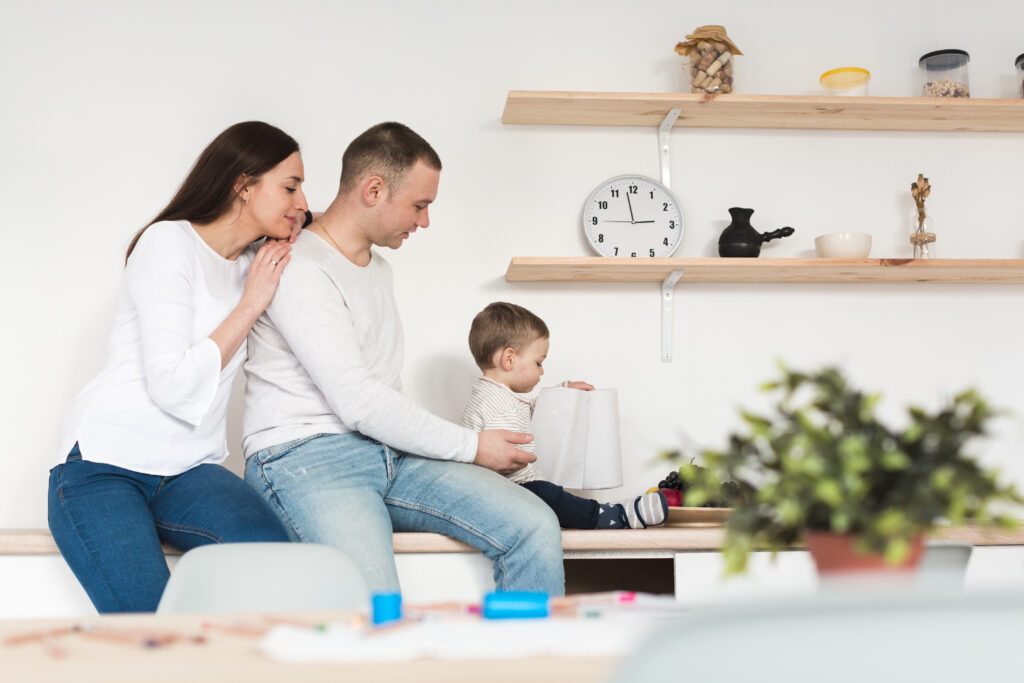
Parenthood has a remarkable way of revealing past wounds we may not even realize we carry. It’s common for unresolved childhood trauma to resurface when we become parents ourselves, as interactions with our children can often trigger memories of pain and hardship. Understanding and processing these triggers is essential, not just for our personal healing, but for the well-being of our children. Parenting through pain is about recognizing the emotional scars we bring into our parenting journey and taking active steps to break the cycle. It’s about being mindful of our reactions, understanding why we feel triggered, and ensuring that our unresolved emotions don’t negatively affect our children’s development. Recognizing Triggers The first step in parenting through pain is learning to recognize your triggers. These are moments when your child’s behavior evokes strong emotional reactions that feel disproportionate to the situation at hand. For example, your child might have a meltdown over a minor issue, and you suddenly feel overwhelmed by anger or sadness. These emotions may stem from unresolved issues from your own childhood—perhaps feelings of being unheard, unsupported, or even abandoned. Acknowledging these triggers doesn’t mean blaming yourself for having them. In fact, becoming aware of them is a powerful first step toward healing. Conscious parenting teaches us to be fully present and to understand the motivations behind our behaviors, helping us to react in a way that fosters growth for both ourselves and our children. Why Triggers Happen Triggers often occur because our children’s experiences mirror situations from our own childhoods. When your child experiences a struggle or an emotion that resonates with your past, it can unconsciously bring up unresolved grief or trauma. For instance, if you grew up feeling neglected, your child’s need for constant attention might trigger feelings of frustration and inadequacy in yourself. In these moments, it’s crucial to pause and reflect on what’s truly happening. Are you reacting to your child’s behavior, or is your response influenced by unresolved pain from your own past? This self-awareness can help prevent emotional reactions from becoming harmful to your relationship with your child. Grieving With Your Kids One of the most powerful aspects of healing while parenting is learning how to grieve with your children. Parent-child bonding often deepens when you allow yourself to be vulnerable and share your emotions in an age-appropriate way. This doesn’t mean overwhelming your child with your trauma but rather modeling healthy emotional expression. For example, if you’ve had a difficult day and feel sadness or frustration bubbling up, it’s okay to say something like, “Mommy is feeling sad right now, but it’s okay. Everyone feels sad sometimes, and we can talk about it.” This not only shows your child that it’s normal to have big emotions but also that it’s healthy to talk about them. This kind of openness fosters emotional intelligence and helps your child learn to navigate their own feelings in a supportive environment. Tips for Healing While Parenting Final Thoughts Parenting through pain is challenging, but it also offers an incredible opportunity for growth. By understanding your triggers, grieving in healthy ways with your children, and practicing self-compassion, you’re not only healing yourself—you’re also modeling resilience and emotional intelligence for your children.If you’re looking for more tools and insights on this journey, don’t forget to follow us on Instagram and YouTube, where we share expert advice, practical tips, and resources to help you become the best parent you can be. Healing is a journey, but you don’t have to walk it alone. Together, we can foster healthier, more mindful parenting relationships that nurture both ourselves and our children.
Reorienting with Respectful Parenting: A Path to Connection and Harmony

Parenting can sometimes feel like an endless cycle of tantrums, arguments, and raised voices. It’s easy to get caught up in the whirlwind of emotions, leaving both parents and children feeling disconnected and frustrated. But what if there was a gentler, more intentional approach to breaking this cycle? Enter respectful parenting, a philosophy that emphasizes empathy, understanding, and connection without compromising structure or boundaries. What is Respectful Parenting? Respectful parenting is not about being permissive or letting children “get away” with everything. Instead, it’s about fostering a deep, mutual respect between you and your child. Unlike traditional authoritative approaches, respectful parenting encourages mindfulness and emotional intelligence, focusing on the child’s needs and emotions while guiding them through life’s challenges. At its core, respectful parenting emphasizes mindful parenting. By staying present in the moment, you become more aware of both your reactions and your child’s behaviors. This approach cultivates a stronger bond between parent and child, based on trust rather than fear or control. Respectful parenting is not a “hands-off” method; it’s a deeply intentional way of engaging with your child, allowing them the space to grow and develop while maintaining clear and compassionate boundaries. Breaking the Cycle of Tantrums and Yelling One of the most appealing aspects of respectful parenting is its ability to break the cycle of tantrums and yelling. If you’re stuck in a pattern of constant power struggles, reorienting yourself with respectful parenting can be a game-changer. Instead of reacting with frustration or anger, respectful parenting encourages you to take a step back and acknowledge your child’s feelings without judgment. Imagine this: Your toddler is in the middle of a meltdown because they can’t have a toy at the store. Instead of saying, “Stop crying! You’re not getting the toy,” a respectful parenting response might sound like, “I see you’re really upset because you want the toy, but we’re not buying it today.” By acknowledging their emotions, you validate your child’s experience, making them feel heard, which can often de-escalate the situation faster than demanding compliance. This is where parent-child bonding becomes crucial. When children feel that their emotions are respected and understood, they’re more likely to engage positively with you. This doesn’t mean you’re giving in to every whim; it means you’re nurturing their emotional intelligence while still maintaining your role as a guide. Respectful Parenting is Intentional Parenting Many parents fear that a more respectful approach will lead to permissiveness, where the child “rules” the household. However, respectful parenting and conscious parenting are deeply rooted in intentionality. It’s about making conscious decisions in how you interact with your child. You’re not just reacting to situations; you’re thinking ahead about the long-term goals of your parenting choices. For example, during family meetings, respectful parenting can help children feel included in decision-making processes. These meetings become a place where children can express their thoughts and feelings, fostering open communication. This sets a foundation for mutual respect that extends beyond the immediate moment. It’s about balancing empathy with limits—helping your child understand their boundaries in a loving, supportive way. Using Respectful Parenting in Everyday Life The principles of respectful parenting can be applied in daily routines, from managing bedtime routines to navigating sibling conflicts. By engaging in activities for toddlers that encourage cooperative play, you allow your child to learn important social skills in a low-pressure environment. These activities not only build confidence but also reinforce the value of working together and respecting others’ boundaries. Online resources and child development classes can also be incredibly useful for parents wanting to dive deeper into respectful parenting. Many of these programs offer guidance on how to implement mindful practices in a way that fits the busy American lifestyle. The Role of Social Media in Spreading Respectful Parenting We live in a digital age, and social media has become an important tool for connecting with other like-minded parents. Following parenting experts on platforms like Instagram and YouTube can provide valuable daily inspiration and tips. For instance, our website’s Instagram page is filled with real-life examples of respectful parenting in action, offering practical solutions for common challenges like bedtime battles, mealtime struggles, and sibling rivalry. Meanwhile, our YouTube channel features in-depth tutorials and interviews with child development specialists, providing parents with a rich, visual learning experience. These social media pages serve as a supportive community where you can connect with other parents, share stories, and get advice on implementing respectful parenting in your own home. Start Your Journey Today! Respectful parenting is more than a method—it’s a mindset shift that helps break the cycles of frustration and disconnection. It’s about fostering an environment where both parents and children can thrive emotionally and mentally, developing stronger, healthier relationships in the process. Whether you’re just beginning to explore conscious co-parenting or looking to integrate more family well-being practices into your home, respectful parenting offers a roadmap to success.Ready to take the next step? Visit our website to learn more, and don’t forget to follow us on Instagram and YouTube for ongoing tips, tools, and insights that will empower your parenting journey. Let’s transform the way we parent—together.