

From Bedtime Story to Snoozing: 5 Tips to Help Your Kids Sleep Better

Getting kids to sleep can feel like a nightly battle. Whether it’s endless requests for water, another story, or struggling to settle down, bedtime can be challenging for both children and parents. The good news? With a few simple strategies, you can create a peaceful nighttime routine that helps your child sleep better and wake up refreshed. Here are five mindful parenting techniques to make bedtime easier and promote healthy sleep habits for your little one. 1. Create a Consistent Bedtime Routine A predictable bedtime routine signals to your child’s brain that it’s time to wind down. According to holistic child development experts, a routine that includes calming activities helps regulate sleep cycles and reduces nighttime resistance. Try this simple routine: The key is consistency—doing the same activities in the same order every night reinforces a sense of security and comfort. 2. Reduce Screen Time Before Bed Blue light from screens can interfere with melatonin production, making it harder for children to fall asleep. Instead of watching TV or playing on tablets before bed, opt for toddler activities like puzzles, coloring, or reading a book from the best parenting books list. Encouraging screen-free evenings is a great way to implement how to implement conscious parenting techniques at home, as it fosters presence and connection before bedtime. 3. Use Nonviolent Communication for Bedtime Struggles Kids often resist bedtime because they feel like they’re losing control over their environment. Instead of saying, “You have to go to bed now!”, try a nonviolent communication approach: When kids feel heard and respected, they are more likely to cooperate. 4. Set Up a Sleep-Friendly Environment Creating a calming sleep environment is key to better rest. Here’s how: By implementing positive discipline strategies for toddlers, you can frame bedtime as a special, enjoyable time rather than something they need to “obey.” 5. Encourage Self-Soothing Techniques Helping children develop their own calming strategies fosters independence and emotional security. If your child wakes up at night, encourage them to: For the conscious parent, teaching self-soothing techniques supports children in managing their emotions and becoming more confident sleepers. Final Thoughts: Making Bedtime a Peaceful Experience Bedtime doesn’t have to be a struggle. By creating routines, minimizing distractions, and fostering a conscious co-parenting approach, you can make sleep time a positive experience for the whole family. Tip: Keep a bedtime journal! Write down what works and what doesn’t so you can adjust the routine as needed. For more parenting insights and expert sleep strategies, follow us on Instagram and YouTube for tips on raising happy, well-rested kids. For the latest updates and parenting news, click here to view our recent press releases. Sweet dreams and happy parenting!
Homework Hacks: Making Homework Battles a Thing of the Past

If the thought of supervising homework sends you into stress mode, you’re not alone. For many parents, homework battles are part of the daily routine. The good news is that with some practical strategies, patience, and a mindful parenting approach, you can help your child feel motivated and confident about their assignments. Here’s how to bypass the homework struggle, create a productive routine, and motivate your child to finish homework without constant reminders. Understanding the Homework Struggles For kids, homework can feel overwhelming, especially after a long school day. Sometimes it’s due to a lack of understanding, boredom, or simply feeling mentally exhausted. For parents, it’s a balancing act between supporting them and avoiding turning into the “homework nag.” As a child development specialist might suggest, it’s important to guide children with empathy and structure while giving them opportunities to take ownership of their work. How to Bypass Homework Battles 1. Set a Routine Children thrive on routines. Establish a designated time and space for homework every day. Consistency helps children develop healthy habits and reduces resistance. 2. Create a Distraction-Free Zone Set up a quiet, clutter-free workspace with all the necessary supplies within reach. Avoid having devices like tablets or phones nearby unless they’re required for schoolwork. 3. Break It Down Large assignments can feel overwhelming. Teach your child to break tasks into smaller steps and celebrate progress along the way. This builds a sense of accomplishment and makes the workload manageable. 4. Hold a Family Meeting Use a family meeting to discuss your child’s homework routine and goals. Ask for their input and encourage them to take ownership of the plan. Collaborative problem-solving is a hallmark of conscious co-parenting and builds trust. 5. Practice Nonviolent Communication Instead of nagging or scolding, practice nonviolent communication by acknowledging your child’s feelings and offering solutions. For example: How to Get Kids Motivated to Finish Homework 1. Set Clear Expectations Let your child know that homework is a non-negotiable part of their routine. Clear rules, combined with positive discipline strategies for toddlers and older kids, create boundaries while reinforcing independence. 2. Offer Choices Giving children a sense of control helps reduce resistance. Allow them to decide what order to complete tasks or when to take a break. 3. Use Rewards Wisely Offer rewards for completing homework, but make sure they’re meaningful and tied to effort rather than perfection. For example, extra playtime after finishing assignments can be motivating. 4. Encourage Active Listening When your child is struggling, practice active listening parenting by paying attention without judgment. Let them express their frustrations and work with them to find solutions. 5. Celebrate Small Wins Acknowledging progress builds confidence. Praise your child’s effort rather than the result, which supports emotional regulation in kids and teaches them that perseverance matters. Benefits of a Conscious Approach to Homework Implementing conscious co-parenting techniques creates a supportive environment where children feel safe and empowered to succeed. The benefits of mindful parenting for child development include stronger emotional intelligence, improved focus, and healthier relationships. If you’re unsure how to begin, explore how to implement conscious parenting techniques at home or seek inspiration from the best parenting books. Final Thoughts: Making Homework Stress-Free Homework doesn’t have to be a daily battle. By establishing routines, listening to your child’s needs, and practicing empathy, you can create an environment where learning is enjoyable and productive. Tip: Use timers to encourage focus. For example, set a timer for 20 minutes and challenge your child to stay focused for that period. Short breaks between tasks can boost productivity. For more insights and parenting advice, follow us on Instagram and YouTube to stay inspired with expert content. For the latest updates and resources, click here to view our recent press releases and stay in the loop. Let’s make homework time a success—one small win at a time!
The First Time at the Dentist: A Stress-Free Guide for Parents and Kids

A child’s first dental appointment is an important milestone, but it can also be an intimidating experience for both parents and children. The unfamiliar environment, new faces, and strange tools can be overwhelming. However, with the right preparation and a mindful parenting approach, you can make your child’s first dental visit to a Dentist for a smooth and positive experience. In this guide, we’ll explore how to find a great pediatric dentist, ways to prepare your child for their visit, and the pros and cons of fluoride treatments. How to Find a Good Pediatric Dentist Choosing the right dentist can make all the difference in ensuring a stress-free first visit. Here are some tips to help you find the best fit for your child: Preparing Your Child for Their First Dental Appointment Preparation is key in reducing fear and making the visit enjoyable. Here are some ways to help your child feel ready: 1. Talk About the Visit in a Positive Way Introduce the idea of going to the dentist in an exciting manner. Use books from the best parenting books list that explain dental visits in a fun and engaging way. 2. Role-Play at Home Set up a pretend dentist’s office at home where your child can take turns being the dentist and the patient. This makes the experience feel familiar before they even step into the real office. 3. Schedule a Family Meeting Hold a family meeting to discuss the importance of dental health and answer any questions your child might have. This gives them a sense of involvement and eases their concerns. 4. Use Nonviolent Communication Practice nonviolent communication by validating their feelings: “I understand you might feel nervous, but the dentist is there to help keep your teeth healthy and strong.” 5. Choose the Right Appointment Time Schedule the visit at a time when your child is well-rested and in a good mood, such as in the morning or after a nap. Pros and Cons of Fluoride Treatments Fluoride is commonly recommended to strengthen tooth enamel and prevent cavities, but some parents may have concerns. Let’s break down the benefits and drawbacks: Pros: Cons: If you’re unsure whether fluoride treatments are right for your child, discuss options with your dentist and explore natural methods for maintaining strong teeth. Final Thoughts: Setting the Stage for a Lifetime of Healthy Smiles A child’s first dental visit doesn’t have to be a stressful event. By choosing the right dentist, preparing in advance, and using positive discipline strategies for toddlers, you can help them feel comfortable and confident in the dental chair. Tip: Try brushing your teeth together as a fun activity! Kids love mimicking their parents, and this simple habit reinforces the importance of oral hygiene. For more parenting insights, don’t forget to follow us on Instagram and YouTube for expert guidance and practical tips. For the latest news and updates, click here to view our recent press releases and stay informed about the newest parenting trends and research. Let’s make dental visits a positive experience—one smile at a time!
Gratitude: Cultivating Thankfulness in Children

Gratitude is a powerful emotion that fosters happiness, strengthens relationships, and encourages emotional resilience. Teaching children to express appreciation from a young age helps them develop empathy and a deeper sense of connection to the world around them. While gratitude is often emphasized during the holiday season, it’s a practice that should extend beyond birthdays and Christmas. By incorporating mindful parenting techniques and engaging in thoughtful activities, you can help your child develop a lifelong habit of gratitude. Here’s how to make thankfulness a natural part of their daily life. Why Gratitude Matters in Child Development Gratitude is more than just saying “thank you”—it’s about recognizing and appreciating kindness, experiences, and the people who contribute to our lives. Research in holistic child development shows that children who regularly practice gratefulness experience: As a child development specialist would emphasize, fostering gratitude helps kids develop empathy, patience, and a positive mindset. Encouraging Gratitude After Birthdays and Holidays While birthdays and Christmas bring excitement, they can also create an expectation of receiving rather than giving. Here are some simple ways to shift the focus from gifts to gratitude: 1. Write Thank-You Notes Encourage children to write or draw thank-you notes for gifts they receive. This not only strengthens writing skills but also helps them acknowledge the thoughtfulness of others. 2. Gratitude Reflection Time After a special event, hold a family meeting to discuss the highlights of the day. Ask your child: 3. Giving Back Together Engage in activities that focus on giving rather than receiving, such as donating old toys or making handmade gifts for friends and family. This reinforces the idea that gratitude isn’t just about saying thanks—it’s about sharing kindness. Age-Appropriate Gratitude Activities For Preschoolers (Ages 3-5) For Elementary-Aged Kids (Ages 6-10) Final Thoughts: Creating a Gratitude-Focused Home Gratitude is a habit that can be nurtured through daily practice. By implementing positive discipline strategies for toddlers and emphasizing the benefits of mindful parenting for child development, parents can raise children who are appreciative and kind. For more tips and expert advice, follow us on Instagram and YouTube for engaging content on parenting strategies. Tip: One simple way to encourage gratitude is to model it yourself! Express appreciation for small things in everyday life—your children will follow your lead. For the latest news and updates, click here to view our recent press releases and stay informed. Let’s raise grateful, kind-hearted children—one thank-you at a time.
Organization: Helping Kids Tidy Up Their Spaces

Teaching children to stay organized is one of the most valuable life skills you can impart. By helping them organize their backpacks, toys, and closets early on, you’re setting them up for a lifetime of responsibility and efficiency. These organizational habits not only make life easier but also contribute to family well-being by reducing stress and fostering a calm, orderly environment. Here’s how you can make organization fun and practical for your little ones. Why Organization Matters An organized space helps children feel more in control of their environment, boosting their confidence and ability to focus. It also makes daily routines smoother, whether it’s getting ready for school or finding their favorite toy. According to child development specialists, engaging children in organizational tasks fosters independence, decision-making skills, and self-discipline. Backpack Organization A cluttered backpack can turn into a daily struggle for both kids and parents. Here are some simple tips to help your child stay on top of their school supplies: 1. Create a Weekly Clean-Out Routine Set aside time each week to clean out old papers, snack wrappers, and unnecessary items. Use this opportunity as a moment of parent-child bonding and to teach them how to prioritize what to keep. 2. Use Color-Coded Supplies Encourage your child to use different-colored folders for each subject, making it easier to find assignments quickly. 3. Pack Smart Help them place heavier items, like textbooks, closer to their back and lighter items in the front compartments. This prevents back strain and keeps everything balanced. 4. Add a Checklist Tape a small checklist inside their backpack as a reminder of what they need to pack daily, such as lunch, homework, and sports gear. Toy Storage Solutions Toy clutter can overwhelm a space in no time, but with a little creativity, you can keep things tidy and accessible: 1. Categorize and Label Sort toys into categories like building blocks, dolls, or puzzles. Use clear bins with labels or pictures, so even toddlers can understand where things go. This is a great activity to include as part of activities for toddlers to teach sorting skills. 2. Rotate Toys To keep things fresh, store half of the toys in a separate area and rotate them every few weeks. This reduces clutter and increases excitement when they see “new” toys. 3. Designate a Cleanup Zone Create a small area where kids can gather toys before putting them away. This adds structure to cleanup time and makes the task less daunting. 4. Use Multi-Functional Furniture Storage benches or toy chests that double as seating are perfect for small spaces, keeping toys hidden while maximizing functionality. Closet Design for Little Kids A well-organized closet can make mornings stress-free and help kids feel more independent. 1. Lower the Bar Install a lower clothing rod or hooks so your child can easily reach their clothes. This empowers them to pick out their outfits. 2. Use Dividers Divide clothes by type—shirts, pants, dresses—and use labeled bins for socks, shoes, and accessories. This helps them know exactly where things belong. 3. Seasonal Switch Keep only the current season’s clothing within reach. Store off-season items in bins or higher shelves to minimize clutter. 4. Add a Daily Outfit Organizer Use a hanging organizer with compartments for each day of the week. Together, you can plan outfits during a family meeting or at the start of the week. Tips for Success Additional Resources For more ideas and strategies, explore child development classes online or consult the best parenting resources. Stay informed by visiting our press releases here, and don’t forget to follow us on Instagram and YouTube for more tips and tricks to empower your parenting journey. Final Thoughts: Creating Order, Building Confidence Teaching kids to organize their spaces is about more than tidying up—it’s about fostering independence, building confidence, and creating a calm environment where they can thrive. By starting with simple tasks like backpack organization, toy storage, and closet design, you’re equipping your child with lifelong skills that will serve them well in every aspect of life. So grab some bins, make a plan, and enjoy the process of creating order together. Each step you take is an investment in your child’s success and your family’s happiness.
Nutrition: Getting Beyond Chicken Nuggets and Hot Dogs

As parents, we all know the struggle of trying to get our children to eat a balanced diet. Sometimes it feels like they’re stuck on a never-ending loop of chicken nuggets and hot dogs. While it’s common for kids to prefer certain foods, ensuring they get proper nutrition is essential for their growth and development. With a little creativity and some mindful parenting, you can make mealtime healthier and more enjoyable. Why Balanced Nutrition Matters Proper nutrition is vital for your child’s physical and cognitive development. A diet rich in fruits, vegetables, whole grains, and lean proteins provides the nutrients they need to grow, learn, and thrive. Poor eating habits, on the other hand, can lead to energy slumps, difficulty concentrating, and long-term health issues. As a parent, fostering healthy eating habits contributes to your family well-being and teaches children the importance of making nutritious choices—a skill they’ll carry into adulthood. When Your Child is Stuck on Favorites It’s perfectly normal for kids to gravitate toward their favorite comfort foods. Instead of battling over every bite, use these strategies to introduce variety gradually: 1. Make Small Changes Swap traditional chicken nuggets for baked or homemade versions with leaner cuts of meat and whole-grain breading. Use healthier hot dogs made from turkey or plant-based proteins. These simple swaps can improve the nutritional content without compromising the flavors your child loves. 2. Involve Them in Cooking Children are more likely to try new foods when they’re involved in preparing them. Plan a fun cooking session as part of your parent-child bonding time. Let them mix ingredients, choose toppings, or help shape foods into fun designs. 3. Practice Patience Kids need time to adjust to new flavors and textures. Introduce new foods alongside their favorites, and don’t pressure them to eat everything at once. Gentle encouragement often works better than a power struggle. Tips for Sneaking Veggies Into Their Diet Getting your kids to eat more vegetables doesn’t have to be a battle. These creative tips can help: 1. Blend Veggies Into Sauces Puree spinach, carrots, or zucchini and mix them into pasta sauces, soups, or casseroles. The veggies blend seamlessly, and your kids won’t even notice. 2. Bake Them Into Treats Vegetables like zucchini, carrots, and sweet potatoes can be added to muffins, pancakes, or brownies for a nutrient boost without altering the taste. 3. Make Veggies Fun Cut vegetables into fun shapes or use cookie cutters to create appealing designs. Arrange colorful veggies into smiley faces or animals to make eating them more exciting. 4. Create Dips and Smoothies Pair raw veggies with hummus, yogurt-based dips, or guacamole. Smoothies are another excellent option—blend spinach or kale with fruits like bananas or berries for a sweet and healthy drink. 5. Hide Them in Comfort Foods Add finely chopped vegetables to meatballs, burgers, or even mac and cheese. This strategy works well for picky eaters who need extra encouragement to try new foods. Holding a Family Meeting Mealtime habits often improve when the entire family gets involved. Hold a family meeting to discuss healthy eating goals and brainstorm new meal ideas together. Encouraging your children to voice their preferences fosters a sense of ownership and cooperation. Seek Support and Resources If you’re struggling to manage your child’s nutrition, consulting a child development specialist or enrolling in child development classes online can provide helpful strategies tailored to your child’s needs. These resources are part of the best parenting resources available to empower your journey. Stay updated on the latest parenting trends and nutritional tips by visiting our press releases here, and don’t forget to follow us on Instagram and YouTube for more ideas and insights. Final Thoughts: Building Lifelong Habits Improving your child’s nutrition is a journey that requires patience, creativity, and persistence. By introducing healthier options in fun and engaging ways, you’re laying the foundation for lifelong healthy eating habits. Remember, mealtime is about more than just food—it’s an opportunity to connect, learn, and grow together as a family. Celebrate small wins, stay consistent, and enjoy the process of building a healthier future for your child. With your guidance and love, they’ll develop the confidence to make nutritious choices and thrive in every aspect of their lives.
Gardening with Kids: Growing Together, Learning for Life
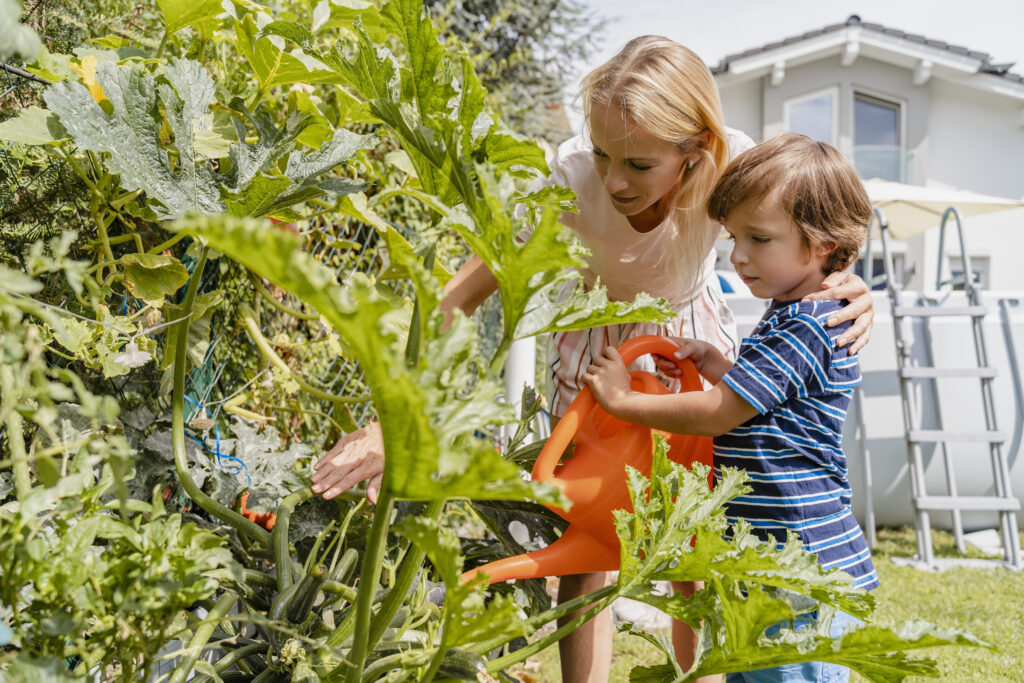
Gardening with kids is more than just a fun outdoor activity—it’s a wonderful way to teach responsibility, patience, and the value of nurturing life. Whether you have a sprawling backyard or a small indoor space, gardening can create lasting memories while contributing to your family’s physical and emotional well-being. Let’s explore the benefits of gardening with kids, tips for getting started, and how to make gardening a year-round activity. The Benefits of Gardening with Kids Gardening provides a host of developmental and emotional benefits for children. It’s an engaging way to learn life skills while fostering parent-child bonding and encouraging hands-on learning. 1. Supports Cognitive and Emotional Development Gardening helps children develop problem-solving skills, patience, and resilience as they care for plants and observe the growth process. It’s a practical application of concepts like cause and effect, making it a great learning experience. 2. Encourages Physical Activity Digging, planting, and watering plants keep kids active and away from screens, contributing to their overall family well-being. Gardening can also be integrated into activities for toddlers, such as planting seeds or watering with a small can. 3. Promotes Healthy Eating Growing fruits, vegetables, and herbs encourages children to appreciate fresh, nutritious foods. Kids are often more willing to eat something they’ve grown themselves, fostering healthier eating habits. 4. Enhances Emotional Well-being Spending time in nature is known to reduce stress and improve mood. Gardening offers children a peaceful environment where they can connect with nature and feel a sense of accomplishment. Tips for Teaching Kids to Garden 1. Start Small Begin with easy-to-grow plants like radishes, lettuce, or herbs. These grow quickly and are less likely to frustrate young gardeners. 2. Provide Age-Appropriate Tools Give kids their own set of gardening tools that are safe and sized for their age. This makes them feel more involved and responsible. 3. Make It Fun Turn gardening into a game or challenge. For example, see who can plant seeds the fastest or grow the tallest sunflower. 4. Teach Through Play Incorporate mindful parenting by being present and engaging with your child’s curiosity. Answer their questions and share fun facts about plants, bugs, or soil. 5. Hold a Family Meeting Before starting a gardening project, hold a family meeting to plan what you’ll plant and where. This involves everyone in the decision-making process and boosts excitement. Gardening in the Yard Outdoor gardening offers a wealth of opportunities for exploration and learning. Indoor Gardening Year-Round If you don’t have outdoor space, indoor gardening is a fantastic alternative. Gardening Resources and Support For additional guidance, explore child development classes online or connect with a child development specialist to learn how gardening can support your child’s development. Access the best parenting resources to discover new gardening ideas and techniques. Stay informed by checking out our press releases here, and follow us on Instagram and YouTube for ongoing tips and creative ideas to empower your parenting journey. Final Thoughts: Growing Together Gardening with your kids is more than planting seeds—it’s about nurturing connections, fostering growth, and creating lasting memories. Whether you’re digging in the dirt together or tending to indoor plants, every moment spent gardening strengthens your bond and teaches your children the value of patience, responsibility, and care. So grab your tools, choose your seeds, and start growing something beautiful together. With every sprout, you’re not just growing plants—you’re cultivating joy, connection, and a love for the natural world that will last a lifetime.
Haircuts and Sensory Issues: A Guide to Stress-Free Grooming

For kids with Sensory Processing Disorder (SPD) or who are on the autism spectrum, getting a haircut can be an overwhelming experience. The unfamiliar sounds, textures, and environment of a salon can trigger anxiety, making what seems like a simple task a challenging ordeal. With the right strategies, tools, and support, you can make haircuts a more comfortable experience for your child. This blog explores tips to help children navigate haircuts, reviews sensory-friendly hair clippers, and offers guidance on finding salons with trained professionals who cater to kids with sensory sensitivities. Tips to Help Kids with SPD Through a Haircut 1. Prepare Them Ahead of Time Talk to your child about the haircut experience in advance. Use social stories, pictures, or videos to show them what to expect. Role-playing with dolls or stuffed animals can also help familiarize them with the process. 2. Create a Predictable Routine Children with SPD often feel more comfortable when they know what’s coming. Establish a consistent routine for haircuts, including scheduling them at the same time of day and at a familiar place. 3. Use Visual or Verbal Cues Guide your child through the process with clear, step-by-step instructions. For younger kids, activities for toddlers like drawing a picture of the haircut process can make it less intimidating. 4. Involve Them in Decision-Making Let your child choose their hairstyle or pick the tools (e.g., clippers or scissors) they prefer. This empowers them and helps reduce anxiety. 5. Sensory Tools and Comfort Items Bring along items that provide comfort, like noise-canceling headphones, a weighted lap pad, or a favorite toy. Consider playing calming music or white noise to create a soothing environment. 6. Break It Down If a full haircut feels overwhelming, consider breaking it into smaller steps, such as trimming a little each day. Celebrate each accomplishment to build their confidence. 7. Practice Mindful Parenting Stay calm and patient throughout the process. Your demeanor will set the tone and help your child feel safe. Sensory-Friendly Hair Clippers: Product Reviews Choosing the right tools can make haircuts easier at home. Here are three sensory-friendly hair clippers that are quiet, lightweight, and designed with kids in mind: 1. Wahl Easy Cut Cordless Clipper 2. Philips Norelco Kids Hair Clipper 3. Calming Clipper Finding Sensory-Friendly Hair Salons Many hair salons now offer services tailored to children with sensory sensitivities or on the autism spectrum. These salons often employ stylists trained to create a calm and accommodating environment. How to Find Sensory-Friendly Salons Additional Support and Resources For more tips and resources on supporting children with sensory issues, explore child development classes online or browse the best parenting resources. Stay updated with our press releases here, and don’t forget to follow us on Instagram and YouTube for practical advice and tools to empower your parenting journey. Final Thoughts: Transforming Haircuts into Positive Experiences Helping your child through haircuts isn’t just about grooming—it’s about building trust, fostering parent-child bonding, and showing them that their needs are understood and respected. With patience, preparation, and the right tools, you can turn haircuts into manageable, even enjoyable, experiences. Remember, every child is different, and what works for one may not work for another. Stay flexible, celebrate small victories, and know that your efforts are making a difference. Together, you and your child can navigate this journey with confidence and connection.For kids with Sensory Processing Disorder (SPD) or who are on the autism spectrum, getting a haircut can be an overwhelming experience. The unfamiliar sounds, textures, and environment of a salon can trigger anxiety, making what seems like a simple task a challenging ordeal. With the right strategies, tools, and support, you can make haircuts a more comfortable experience for your child. This blog explores tips to help children navigate haircuts, reviews sensory-friendly hair clippers, and offers guidance on finding salons with trained professionals who cater to kids with sensory sensitivities. Tips to Help Kids with SPD Through a Haircut 1. Prepare Them Ahead of Time Talk to your child about the haircut experience in advance. Use social stories, pictures, or videos to show them what to expect. Role-playing with dolls or stuffed animals can also help familiarize them with the process. 2. Create a Predictable Routine Children with SPD often feel more comfortable when they know what’s coming. Establish a consistent routine for haircuts, including scheduling them at the same time of day and at a familiar place. 3. Use Visual or Verbal Cues Guide your child through the process with clear, step-by-step instructions. For younger kids, activities for toddlers like drawing a picture of the haircut process can make it less intimidating. 4. Involve Them in Decision-Making Let your child choose their hairstyle or pick the tools (e.g., clippers or scissors) they prefer. This empowers them and helps reduce anxiety. 5. Sensory Tools and Comfort Items Bring along items that provide comfort, like noise-canceling headphones, a weighted lap pad, or a favorite toy. Consider playing calming music or white noise to create a soothing environment. 6. Break It Down If a full haircut feels overwhelming, consider breaking it into smaller steps, such as trimming a little each day. Celebrate each accomplishment to build their confidence. 7. Practice Mindful Parenting Stay calm and patient throughout the process. Your demeanor will set the tone and help your child feel safe. Sensory-Friendly Hair Clippers: Product Reviews Choosing the right tools can make haircuts easier at home. Here are three sensory-friendly hair clippers that are quiet, lightweight, and designed with kids in mind: 1. Wahl Easy Cut Cordless Clipper 2. Philips Norelco Kids Hair Clipper 3. Calming Clipper Finding Sensory-Friendly Hair Salons Many hair salons now offer services tailored to children with sensory sensitivities or on the autism spectrum. These salons often employ stylists trained to create a calm and accommodating environment. How to Find Sensory-Friendly Salons Additional Support and Resources For more tips and resources on supporting children with sensory issues, explore child development classes online or browse the best parenting resources. Stay
Traveling with Kids: Pro Tips for a Smooth and Memorable Journey

Traveling with kids can feel like an adventure in itself—equal parts exciting and daunting. Whether you’re preparing for their first flight, embarking on a cruise, or planning a road trip, a little preparation goes a long way in ensuring the journey is enjoyable for everyone. Here are some practical tips to help you navigate traveling with kids, from packing smart to keeping them entertained without screens. Preparing Kids for Their First Flight Flying for the first time can be an overwhelming experience for kids. Here’s how to prepare them: Cruising with Kids: Smooth Sailing Tips Cruising can be an amazing family experience, offering a mix of adventure and relaxation. However, traveling on a ship comes with unique challenges. Travel Kits for Kids (Without Screens!) Screens can be lifesavers during long trips, but it’s good to have non-digital options that encourage creativity and engagement. Here are some ideas for screen-free travel kits: The Role of Conscious Parenting While Traveling Traveling is the perfect opportunity to practice mindful parenting. Stay present during the journey, focusing on shared experiences rather than stressing over perfection. Use the travel time to bond and strengthen your relationship with your child. Parent-child bonding happens naturally when you share in their excitement and wonder, whether it’s spotting the first cloud from the plane window or exploring new cultures together. For parents sharing responsibilities, conscious co-parenting is essential. Collaborate to divide tasks like packing, navigating, and keeping the kids entertained. This ensures a smoother trip and sets an example of teamwork for your children. Tips for Stress-Free Travel Stay Connected for More Tips For additional parenting tips, travel ideas, and expert advice, follow us on Instagram and YouTube. We share resources designed to empower your parenting journey and make family adventures unforgettable. To stay informed on family travel trends, check out our press releases here for the latest updates. Final Thoughts: Embrace the Adventure Traveling with kids is less about perfection and more about creating memories together. With preparation, flexibility, and a little creativity, family trips can be a source of joy and connection. Whether it’s your child’s first flight or a family cruise, these shared experiences will strengthen your bond and leave you with stories to cherish for a lifetime. So pack your bags, embrace the adventure, and remember: even the challenges become part of the journey. Happy travels!
Sleep Training: Navigating the Journey to Restful Nights

Sleep training is a hot topic for parents, often stirring a mix of emotions. Whether you’re considering letting your child “cry it out,” co-sleeping, or finding a middle ground, the ultimate goal remains the same: ensuring both you and your child get the rest needed for family well-being. Let’s explore the pros and cons of sleep training, why sleep is crucial for your little one’s development, and how to navigate this journey with care and compassion. Why Sleep Matters Sleep is essential for a child’s physical and mental development. During sleep, their brain consolidates learning, processes emotions, and supports growth. A lack of quality sleep can lead to irritability, difficulty concentrating, and even developmental delays. For parents, insufficient sleep can strain relationships, lower patience levels, and impact your ability to fully engage in parent-child bonding. Sleep training is one way to establish healthy sleep habits, promoting better nights for everyone. Pros and Cons of Sleep Training Sleep training isn’t a one-size-fits-all solution. Understanding its advantages and potential challenges can help you decide what’s best for your family. Pros of Sleep Training Cons of Sleep Training Methods of Sleep Training Cry It Out (CIO) This method involves letting your child cry for gradually increasing periods before comforting them. The idea is to teach self-soothing skills. Gradual Extinction This approach involves slowly reducing your intervention during bedtime over several nights, helping your child adjust at their own pace. Co-Sleeping Co-sleeping involves sharing a bed or room with your child, offering immediate comfort and reassurance. Caring for Your Child During Sleep Training Whether you choose CIO, gradual extinction, or co-sleeping, it’s important to approach sleep training with empathy and mindful parenting techniques. Balancing Parental Roles with Conscious Co-Parenting Sleep practice is easier with teamwork. Practicing conscious co-parenting allows both parents to share the responsibility, ensuring no one feels overwhelmed. Discuss your approach together during a family meeting, and create a plan that works for everyone. Tips for a Smoother Sleep Training Journey Additional Resources for Parents Parenting is a journey filled with learning curves, and sleep training is no exception. Explore child development classes online and access the best parenting resources for tips, tools, and insights that support your child’s growth. For updates on parenting trends and expert advice, check out our press releases here, and follow us on Instagram and YouTube for ongoing tips that empower your parenting journey. Final Thoughts: Restful Nights for a Thriving Family Sleep training is about finding what works best for your child and your family. Whether you let them “cry it out,” co-sleep, or blend methods, the goal is to establish healthy sleep habits that benefit everyone. Trust your instincts, stay patient, and remember that every family’s journey is unique. Ultimately, restful nights pave the way for happier, healthier days, allowing you and your child to thrive together. Sweet dreams!