

Screen Time + Kids: Conscious Usage of Technology
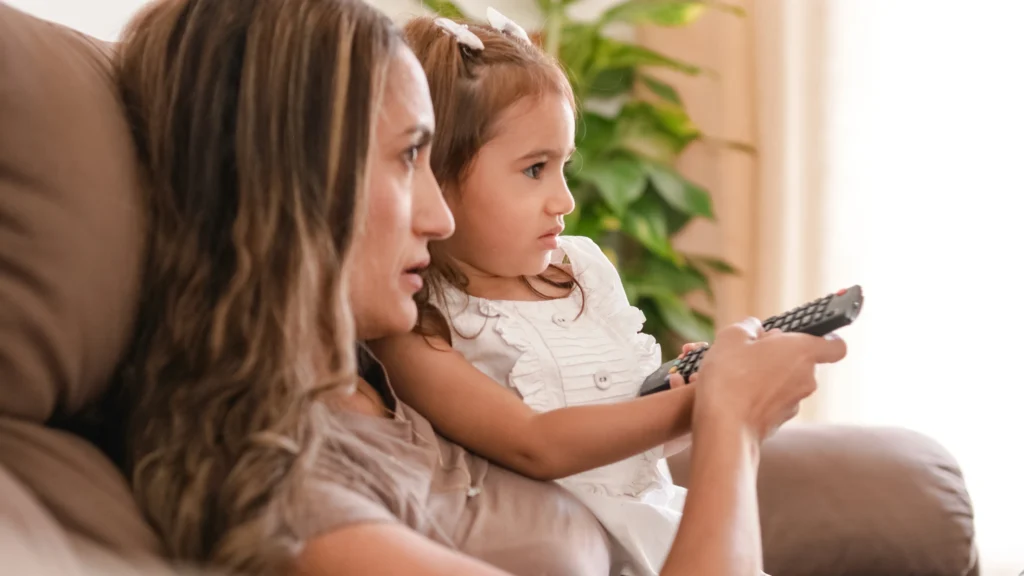
In an electronic age, control of screen time in children is one of the most significant issues amongst parents in the USA. Screen technology has seeped into our lives (through tablets, smartphones, televisions, computers) and it can feel like wading through the sea of their impact on child development. Instead of viewing screens through a lens of limitation and control, the conscious parent embraces a mindful parenting approach to technology that prioritises balance, connection, and thoughtful use. The authoritative Child Development Specialist, and mindful parenting proponent Vedangi Brahmbhatt, advocates healthy screen time as one of the desired results of Holistic Child Development and healthy parent-child bonds. This blog addresses ways in which parents can practically confront screen time in ways that support emotional regulation and good behaviour in children. Prioritise Quality Over Quantity in Toddler Activities and Screen Exposure American Academy of Paediatrics recommends that toddlers have less screen time, but they need to be involved in developmentally appropriate activities. So it’s important that we deliberately reach for high-quality educational and interactive material instead of focusing only on reducing hours. The combination of Toddler Activities that include movement, creativity, and practicality will decrease passive time at the screen and increase active time. Parents are able to create experiences on the screen that are supplemental but not alternatives to physical play and social interaction. Promote Open Conversation with Family Meetings and Active Listening Parenting The use of technology impacts the entire family structure, so dialogue needs to be open. Family meetings organised around technology regulations make them respectful of each other and accountable to each other. At these meetings, parents and children can talk about expectations, benefits, and concerns around screen use. Using Active Listening Parenting methods during these conversations helps parents respond mindfully to children’s experiences with media. This provides a sense of independence for kids, helps build trust, and reduces conflicts around screen time a cornerstone of mindful parenting. Support Emotional Regulation Kids and Holistic Development Around Screen Use Excessive or unregulated screen time may contribute to difficulties in Emotional Regulation Kids often exhibit, such as irritability or distraction. As parents, being good role models of wise technology use, while maintaining consistent structures and limits, provides children with opportunities to practise self-control. The integration of screens into a unified system of Holistic Child Development means balancing digital communication with social skills, creativity, and empathy. The conscious parent also knows when to take breaks from screens to prioritise bonding, play, and family connections in the real world. Conclusion: Being Mindful of Technology to Flourish Families Finding the right balance between screens and children’s well-being requires purpose and empathy. Parents can prepare their toddlers for success in the digital era through prioritisation of quality content, enrichment of Toddler Activities, open Family meetings, Active Listening Parenting, and consistent emotional regulation practices. For personalised guidance, you can reach out to Vedangi Brahmbhatt a Child Development Specialist and expert in conscious co-parenting and mindful parenting. She provides tools and resources that enable you to become the conscious parent your family needs. And remember to subscribe to us on Instagram, and YouTube for more insights into mindful parenting and Holistic Child Development.
No Fear, No Force: Oh My God, Navigating Power Struggles Without Using Fear Or Force: A Conscious Parenting Guide
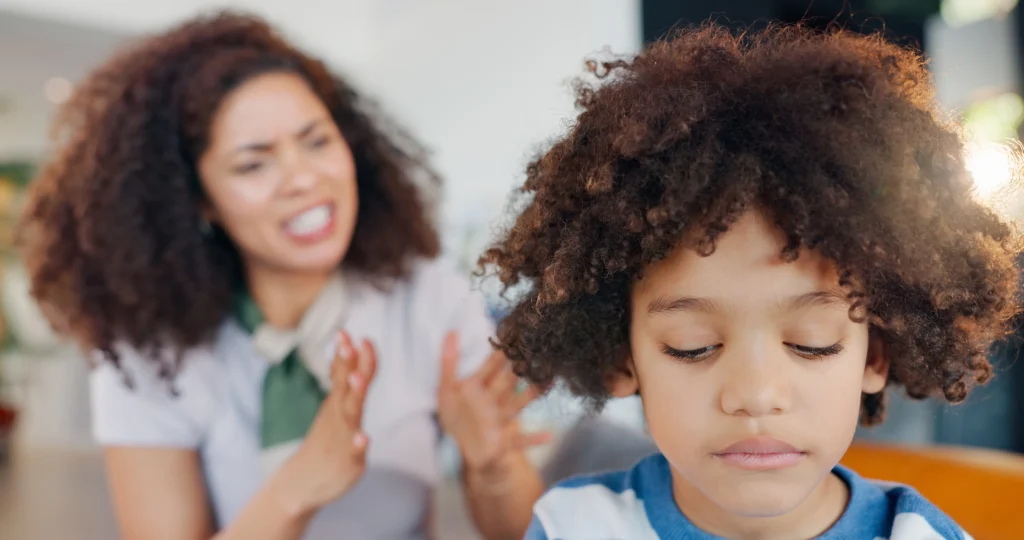
Parent-child power struggles are also some of the most stressful situations in family life. Resistance and boundary testing are normal, especially in toddlerhood and early childhood – but fear or force will only serve to increase conflict and harm trust. Wouldn’t there be a softer, better way? The mindful parent recognises that such situations can become moments of connection, learning, and growth with mindful parenting and respectful strategies. We personally have witnessed how parents in the USA can overcome power struggles without any form of punishment or control strategies at Vedangi Brahmbhatt, a reputable Child Development Specialist, to raise healthy, peaceful families. In this post, you will get some must-have tips on how to help your child grow emotionally and manage within your limits in a graceful and compassionate manner. Embrace Open Communication With Family Meetings and Active Listening Nonviolent dialogue in your family is one of the most powerful tools to prevent and stop power struggles. Family meetings help to create a safe environment where everyone can express their ideas – your toddler counts as well as your teen – when it comes to setting expectations and developing solutions. Active listening parenting has nothing to do with just echoing what your child says. Children don’t feel the need to rebel when they feel truly understood. This creates trust and minimises frustration on both ends, supporting the foundation of mindful parenting. Use Positive Discipline Approaches to Toddlers Positive discipline approaches to toddlers are aimed at teaching behaviour, not punishing. This means setting up routines, offering limited options, and having consequences your child can understand. These practices complement the benefits of mindful parenting on child development, helping children learn responsibility and cooperation without intimidation or coercion. Build Emotional Regulation and Resilience Children are still learning about big feelings. It is important to model emotional regulation skills they require. By staying calm in challenging situations and teaching coping techniques such as deep breathing or naming feelings, parents help children learn essential tools. This child development approach is holistic because not only does it ease power struggles in the short-term, but it also equips children for success in social and emotional aspects of life – all central to becoming a conscious parent. Conclusion: Your Journey in Conscious Parenting Begins Today It is an achievable, realistic, and rewarding goal to navigate power struggles without fear or force. Open communication, positive discipline approaches to toddlers, and emotional regulation help create stronger, more conscious family relationships. To receive individual guidance specific to your family’s needs, schedule an appointment with Vedangi Brahmbhatt, one of the most prominent professionals in conscious co-parenting and mindful parenting. Learn about our programmes and resources that empower you to become the conscious parent. Don’t miss following us on Instagram, and YouTube to find out more about mindful parenting and Toddler Activities that nurture growth. Here’s a quick tip: when tension escalates, pause and take three deep breaths before acting – this reset gives you space to respond with empathy and connection. To view our recent press releases, visit this page.
Deal with Tantrums in a Mindful Way

Kids have tantrums; it’s a normal part of growing up. But it can feel overwhelming for both them and you. As a Child Development Specialist, I have met many moms and dads. They ask, “What do I do when my child yells and kicks and cries? “And when it feels like nothing is helping?”.Punishment isn’t the path to helping them grow. It is mindful parenting. This is when you keep your composure and stay connected with your child.You want to understand why they’re so upset. When we pause to see the reason, rather than reacting quickly, we can feel more connected. This can help them feel better. Let’s look at three key steps to help with tantrums. 1. Understand the ‘Why’ Behind the Tantrum Tantrums can be caused for various reasons. A child might be tired or hungry. There may be too much going on. Or they might have complex feelings that they cannot express in words. Instead of calling them “wrong,” try to understand them and make a meaningful decision regarding the situation. A family meeting is a good time to have a conversation with your child. Do it when you are both relaxed. You can say, “Do you know when you were sad today?” Let’s talk about what it was. “We can find a new way to act next time.” This small act is a big help. It teaches emotional regulation. It is a good start to holistic child development. 2. Respond, Don’t React It should be considered wrong to rule out our actions when a child is angry. When your child yells, it’s natural to feel like yelling back, but that makes it worse. So take a few deep breaths. Use active listening parenting. Lower yourself to their level and look into their eyes if they’re open to it. Say something like: “I see you are sad.” I am here for you. Let’s take a breath.” This is a form of nonviolent communication. It helps your child feel seen, safe, and soothed. It shows them how to face complex feelings with no shame or fear. This is a skill for life. If your child is too upset to talk, just be there for them. Let the intense emotions settle. Being calm shows more than words ever could. 3. Prevent Future Tantrums with Connection & Routine Mindful parenting is not only about what you do during a tantrum. It is also for the before and after. Make a strong bond with your child. Have one-on-one time, set some guidelines to perform activities, and do toddler activities. It reassures your child in moments of anger and during times of change. The way you can guide your child is not through punishment. They are through mindful teaching. Some positive discipline strategies for toddlers are: These tools and conscious co-parenting help you to work with your child, not just tell them what to do. If you are together or not, try to talk all the time. Share what you care about. Respect your child’s feelings. These are key parts of the conscious parent’s way of life. Conclusion: Tantrums Are Opportunities for Growth Tantrums can be difficult. They’re not just negative; they can be moments for growth. They are a time to get closer to your child. With mindfulness parenting, we can turn tantrums into times of trust. They can help kids get stronger and help them understand their feelings. Tip: Make a “Calm Corner” in your home. It can be a soft space with pillows, toys, or books from the Best Parenting Books. These things help kids calm down. Show them that this is a space for comfort, not for fear. Don’t forget to see us on Instagram, and YouTube for more good ideas. For any new info, click here to see our recent press releases.Want to know more about how to implement conscious parenting techniques at home? Go to Vedangi Brahmbhatt’s website. You can explore ways to get help, join a class, or see what resources we recommend.
How to Handle Sibling Rivalry with Conscious Parenting
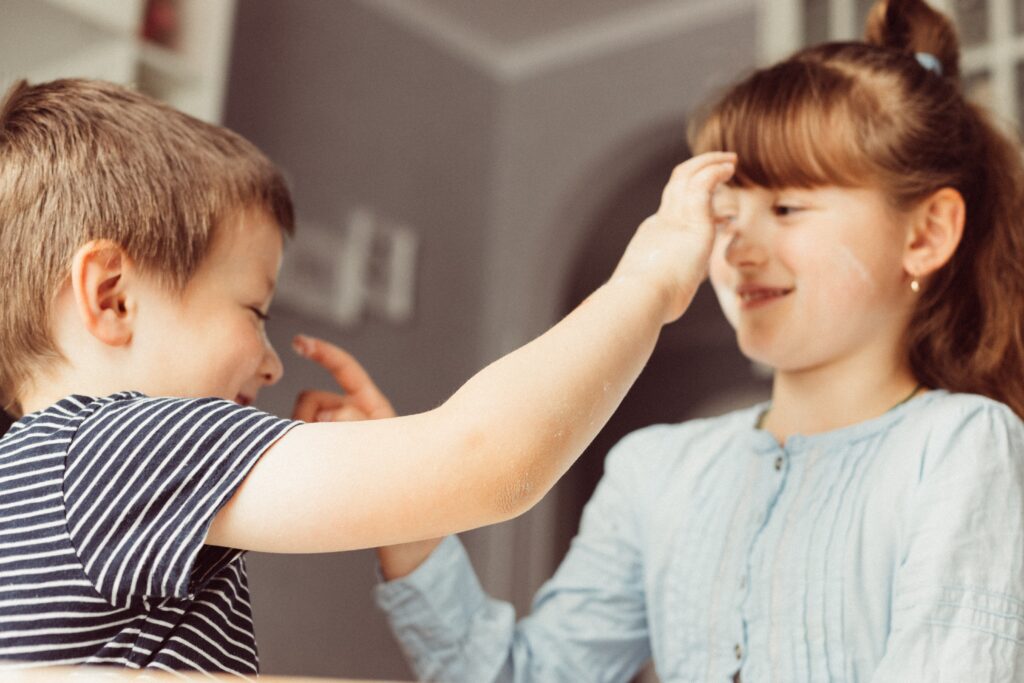
Fights between siblings are a big (and tiring) part of family life. It can be a fight over a toy. It can be a loud yelling match. A lot of parents don’t know when to get in, how to be fair, or how to stop it from getting worse. But here is what I see all the time as a Child Development Specialist These fights don’t mean your children don’t love each other. It shows they’re figuring out how to handle sibling strong emotions with those closest to them, and with the tools of conscious parenting, you can help them develop empathy, speak kindly, and strengthen their bond instead of fighting. Let’s look at how to change these fights into chances for Holistic Child Development through mindful parenting. 1. Don’t Rush to Judge — Show You See Their Feelings First The first thing we want to do as parents is be the judge: “Who did it first?” “Why did you hit him?” But blaming just makes things worse. It can make one child feel unheard. Respond to both with empathy and patience, use Nonviolent Communication to show you see how they feel. Don’t excuse bad and unpleasant behaviour. Try this: “I can see you are both very angry right now. Let’s take a slow breath. Then we can find out what each of you needs.” This small change helps kids feel safe with their feelings. It shows them Emotional Regulation. This is a key part of Holistic Child Development. 2. Use Family Meetings to Build a Close Feel Most of us only talk about our feelings when there’s already a problem, but you can express your feelings each week in the Family Meeting. These planned talks are a great way to use Active Listening Parenting. They give each child a say in the family. You can add easy toddler activities like drawing their feelings or acting out solutions through play. When kids know they can show how they feel in a good way, the bad feelings towards each other will go down over time. Studies say sibling who feel seen and heard at home are kinder to their brothers or sisters. They can learn to resolve disagreements on their own. 3. Teach How to Work Together, Not Just “Share” True sharing develops with maturity; it can’t be forced. Do not just think about what is fair right now. Think about how to make them understand the importance of cooperation. Use Positive discipline strategies for toddlers to show them the way. For example: “Let’s use a timer to take turns with the toy. Then we can talk about how it felt to wait and then to play.” Also, use mindful parenting. See if your feelings about their fights come from your past or stress. When you are calm, your kids learn to be calm in a fight, too. Conclusion: Conscious Co-Parenting for Strong Sibling Ties Fights between sibling aren’t something to fear; they’re part of growing. They are a thing to guide. When we use conscious co-parenting, we stop trying to make kids act a certain way. We try to see why they act that way. We are the conscious parents our kids need. This helps them not just get through the fights, but also do well with their big feelings. Tip: Try a “special time jar.” Let each child pick one thing to do with you each week. This makes their tie to you strong. It cuts down on the fight for your time. Don’t forget to follow us on Instagram, and YouTube for more ideas and help. For new things, click here to see our recent press releases.Are you ready to learn more about how to use conscious parenting techniques at home? Look at our talks for help, our class plans, and some of the Best Parenting Books on the topic at Vedangi Brahmbhatt’s website.
Parenting Without Yelling: Ways That Work
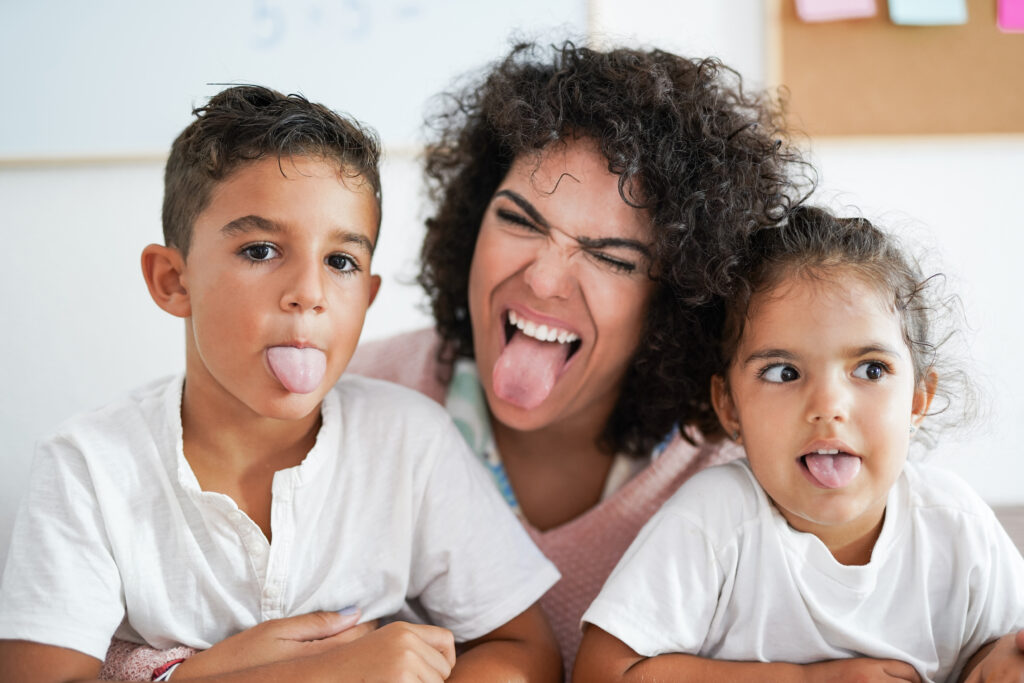
Let’s be real. Parenting isn’t easy, but it can also feel overwhelming. Your child may throw food. They may cry a lot at bedtime. You’re exhausted. They’re exhausted. Sometimes it seems like raising your voice is the only option, but it rarely helps children learn or grow. It just makes things worse. You know there is a better way. As a Child Development Specialist, I work with families who want to nurture confident, emotionally healthy, and happy children. They do not want to yell at or punish you. The good news is that you can nurture your child with compassion while keeping fair rules. It starts with you, a plan, and a few practical approaches that work every day. 1. Pause, breathe, then respond It’s not about never feeling angry, it’s about guiding it into constructive action. A great tool in mindful parenting is to wait before you act. This short time lets you calm down. It stops you from just yelling out. Try this: When you feel the urge to yell, place your hand on your heart and take three deep breaths. You’re not ignoring the problem—you’re simply calming yourself before responding. This shows your child’s emotional regulation. When you do this a lot, your child learns it too. This is a big part of holistic child development. 2. Replace yelling with nonviolent communication. When a child acts out, it is often a cry for help. They may not have the words to say what they need. Act with intention, not with anger. Use Nonviolent Communication to see what they need and show that you understand. Example: Instead of yelling, “Why are you so messy all the time?” Try: “I feel sad when I see toys all over.” I like a clean room. Can we clean up as a team after this game?” This also helps with Active Listening Parenting. Your child will feel truly seen and heard, not judged or embarrassed. 3. Create rituals that reinforce connection and boundaries Ways of stopping problems are as important as ways to fix them. One easy but strong tool is a family meeting. This is a check-in each week. Everyone in the home can share their feelings, express their worries, and talk about the positives. This helps with conscious co-parenting. It shows kids how to work as a team to fix problems. Make routines fun by including simple, enjoyable activity sets for your toddler. This gives your child a plan and a feeling that they are part of the family. A child who feels close to you is less likely to “act out.” A study shows that when you are in tune with a young child’s feelings, they grow up with better self-control. These are the outcomes we hope to see from positive discipline strategies for toddlers. Conclusion: Yelling Isn’t the Only Option Yelling doesn’t make you a bad parent, it means you’re human. But if you’re reading this, you’re already taking the first step toward change. You can be the conscious parent your child needs. Tip: Develop a ‘calm plan’ together, so when emotions are out of control, you both know it’s time to pause. Only after you’re both calm, you can talk things through. This plan gives you both a tool to use when feelings seem uncontrollable. Remember this: you are not on your own. We can help you. Our conversations are guided by the ideas of Conscious Co-Parenting NJ. We also draw on proven strategies from some of the best parenting books available. Don’t forget to follow us on Instagram, and YouTube for more good ideas. For new news, click here to see our most recent press releases.
The Impact of Childhood Trauma and How Parents Can Heal Together

As a Child Development Specialist, Time and time again, I’ve seen one thing holds true: childhood trauma doesn’t just disappear—it stays with you. It is often quiet. But it can adversely affect how you act, how you love, and how you feel as a grown-up. If it’s not healed, it can surface in the way you parent your child, but here’s the good news: you can heal, and you don’t have to do it alone. Here, I want to look at how childhood trauma can affect a family. We will see how mindful parenting and conscious co-parenting can help us heal. We can work through it together, as a team. 1. Understanding How Trauma Shapes Our Parenting The difficult things in your past aren’t always obvious or easy to spot. It can be when no one understands your feelings. Or being told to hold back your deepest emotions or to act a certain way.” These small things can make a child feel not seen and not safe. When you are a grown-up, this can make you: In my work with families, we look at how your inner child affects the way you parent today. The first step is to understand each action. This helps you be the conscious parent. That is a parent who acts with thought, not just out of habit. 2. Healing as a Team Through Conscious Co-Parenting Regardless of whether you are in the same place or not. When you heal as a team, you make a safe place for your child. Conscious co-parenting is when both parents try to be there. They are aware of feelings and act on them. You do not have to be an expert. But you do need to talk, care, and work with each other. Here is how you can start: This way of doing things is closely associated with Conscious Co-Parenting NJ. New work in Holistic Child Development shows it is good. A 2023 study found that children in homes where feelings are acknowledged have 33% fewer behavioral problems. They also do better in school. 3. Rebuilding Safety Through Mindful Connection When past experiences have pushed you away from people, closeness can help you heal. Mindful parenting is when you show up for your child each day; you’re also showing up for yourself. It looks like this: When you show your child how to be in tune with their feelings, they’ll carry that skill for life. They learn to guide their feelings. This is how we raise kids to be wise with their feelings, and it starts at home. The benefits of mindful parenting for child development are more than just how they act. It makes them think in new ways. It helps them deal with difficult times. And it helps them develop a sense of safety around you. Conclusion: Healing Begins With Awareness It’s not easy to parent when you carry past trauma, but it’s some of the most rewarding work you’ll ever do. Choose to grow, not to feel bad. Then you will be the conscious parent your child needs. You can become the healed adult your younger self needed. Tip: Make a “calm corner” in your home for all of you. It is a place you and your child can go when feelings seem uncontrollable. Include calming items soft blankets, favorite books, or quiet songs, so you both know it’s a safe place for emotions. Don’t forget to follow us on Instagram, and YouTube for more insights and expertise.For the latest news and updates, click here to view our recent press releases.
How to Build a Strong Emotional Bond With Your Child

A child feels safe when there is a link to you. As a child development specialist, I know this to be true: strong bond are built in the small, everyday moments—not just the big ones. The bedtime talk. It’s in the moments when we stop and truly listen to them. The small things we do time and time again that say, “I see you.” I LOVE YOU.” Parenting can be really difficult at times. In the first years filled with all sorts of toddler activities, spilled food, and big feelings, this might feel like a lot. But a good link does not ask you to be perfect. It asks you to be present. Here is how you can start growing a strong bond with your child today. 1. Make Time to Be Close Every Day In our fast-paced world, it is really difficult to slow down. But a bond grows through planned, repeated times of being close. I call them “feeling check-ins.” These can be simple things like: These moments create a sense of safe, steady love and build trust over time. They can also help with holistic child development, where a child’s heart, mind, and way of communicating with others all grow at the same time. When life feels overwhelming, start with one daily habit that matters most. It could be a song you sing in the shower or “finish your child’s day on a note of gratitude. At bedtime, gently invite them to share something they’re glad about. It could be a small win. 2. Here to Know, Not to Fix Children don’t always need us to fix their problems — sometimes, they just need to feel truly seen, heard, and understood. Instead of: “You’re fine, it’s not a big deal,” Try: “That made you feel very sad, didn’t it? I’m here for you.” This approach, inspired by nonviolent communication, is a beautiful way to strengthen your bond with your child. It’s about letting them know their feelings are welcome And so? Kids feel safe in their feelings. They are more ready to open up. This is one of the key benefits of mindful parenting for child development—kids learn to understand their feelings and get to know themself when you are there for them. 3. Guide with Care, not Fear To guide is often not seen with the right perspective. It means “to teach,” not “to punish.” Using positive discipline strategies for toddlers means you set clear rules with warmth and care. For example, “It’s okay to be mad, but it’s not okay to hit.” Let’s take deep breaths as one.” This way it fits with the idea of conscious parenting—“A mindful parent is someone who notices what’s driving their reactions, takes a pause before responding, and chooses to lead through their own example. This is especially important when parents live in two different homes. When you deal with intense emotions or fights, leading with a kind heart builds credibility. That is where the strongest bonds reside. Real-time insight A 2024 U.S. study found that children who felt emotionally close to at least one parent were 42% more likely to excel in school and 52% more likely to resolve conflicts with friends without harm That is the true power of a close bond. It sets your child up for a life by filling their hearts with strength and resilience. Conclusion: The Strong Bond Starts with You It’s not about doing everything perfectly; it’s about being there, time after time. Tip: Make a “bonding jar.” Put small pieces of paper in it through small, everyday actions that build closeness. Like reading a book, looking at the stars, or performing a toddler activity like sorting things by color. Let your child pick one each day. It is fun and a valuable lesson. The path of mindful parenting continues. Together, keep learning, bonding, and growing. Don’t forget to follow us on Instagram, and YouTube for more ideas. For the latest news, click here to view our recent press releases.
How to Help Your Child with Big Feelings and Not Act Fast

If you are a parent, you have seen all of your child’s feelings. Tears for the wrong bowl. Being upset at bed time. Or mad when they have to share. In those hard times, it is easy to act fast. But what if you chose to help, not just act? As a Child Development Specialist, I have helped many parents in the U.S. and other places use mindful parenting. This way helps you be calm even when your child is not. I will show you how to deal with your own feelings and help your child with their big feelings. This helps you both feel close and helps with emotional regulation. 1. Pause First, Act Later It may sound easy, but to pause first is a big help. Big feelings can come from a need. They may be hungry or tired. Or there is too much going on. When a child’s head is full of big feelings, they can’t think well. They need to feel safe and close to you. As the conscious parent, your job is not to fix the feeling. Your job is to be calm with them. Try this: Put your hand on your heart when your child is upset. Count to five in your head. This can help calm your body down so you can show them how to be calm. 2. Show You See, Don’t Make It Small Did you ever say, “It’s not a big deal”? Then the big feelings got worse. That is because to them, it is a big deal. Active Listening Parenting is when you say back what your child feels. You can say it even if the feeling seems too big. This is the base of Nonviolent Communication. You show you see their feeling. You don’t make them feel bad or wrong now. You teach your child that feelings are okay. You show them it is safe to show how they feel. This helps with emotional regulation kids can learn for life. 3. Make Rules with Love Being kind does not mean there are no rules. Kids do well when they have rules, more so when rules are set with love. Example: “It is okay to be mad, but it is not okay to hit. Let’s use our words or take a break.” This is part of positive discipline strategies for toddlers. You teach, not punish. You are still the conscious parent. You lead, but you don’t force. Over time, this makes Holistic Child Development. They learn about feelings, and they learn to care, talk, and be strong. A Look at Parents Now A 2023 report from the American Psychological Association said that 7 out of 10 parents in the U.S. say they act on their feelings in hard times with their kids. But kids whose parents are calm and kind have been shown to feel good about who they are. They do better in school. They are good with other kids. That is the real power of how to implement conscious parenting techniques at home. It is not just for now. It is for how they grow and feel for a long time. To End: Helping is the New Way No one is a perfect parent. We all have times when we use a loud voice or feel it is all too much. But each time you are close is a time to teach your child. You can teach them that feelings are not to be feared. They are for us to know more. Tip: Put a “Feelings Chart” on your fridge. It helps your child name their feeling. It gives you a picture to help you start a calm talk. Don’t forget to follow us on Instagram, and YouTube for more ideas and help to raise kids who are smart about feelings. For new news, click here to see our new press releases.
How to Really Listen to Your Child: The Art of Conscious Communication

Are you ever busy with a job—like making food or work—when your child comes to tell you a big thing? You nod and say “uh-huh,” but their eyes stay on you. They wait for you to really look at them. That look is a sign. Your child does not just want to talk. They want to be heard. As a Child Development Specialist, I see now that one of the best gifts we can give our kids is our full time and care. To give your time and care is not just to be in the same room. It is to join in with Active Listening Parenting, show you see their feelings, and use what I call Conscious paranting. Here, we will look at how to be the conscious parent. A parent who listens with care, gives kind words back, and builds a life of trust with their child. 1. Listening Is More Than Hearing Hearing just happens. Listening is work. It is to use your ears, eyes, and heart. When your child talks, do you look at them? Do you stop what you do? Do you show that you see how they feel? Like this: “You look very sad your toys fell. That must feel bad.” That is Nonviolent Communication. You show you see their feelings. You do not judge or fix them. This is a key part of mindful parenting. With it, your time and care mean more than being right. Life shows that kids who feel heard have a good hold on their feelings. They can also work out hard things as they grow up. This is called Emotional Regulation. 2. Ask, Don’t Tell When your child tells you a thing—a big thing—you may want to give help or fix it. But most of the time, they just want you to know how they feel. Try to ask questions that need more than a yes or no: This lets them talk more. It helps them find words for their feelings. This is a main part of Holistic Child Development. In Family Meeting times I have led, parents who do this all the time see a big change. Their kids talk more and end fights in a good way. It is also a key rule for conscious co-parenting like we teach at Vedangi Brahmbhatt. 3. Make Times to Talk Some of the best talks can be had in day-to-day life. It can be in the bath, in the car, or when you make food. These are good times for Toddler Activities. You can add set times to check in. One way is to ask for one good thing and one hard thing from the day. These small habits can help all kids share more. They show the benefits of mindful parenting for child development and help kids feel safe. Tip: Make a “listen time” for 5 minutes each day. Your child talks and you just listen. Do not stop them, give help, or do other work. It is a very good thing to do. Real-Time Insight: A new look at life in 2024 shows that homes that use listening and kind talk each day have far less bad ways of acting out. This shows how to implement conscious parenting techniques at home is not just an idea—it brings a very big change. Conclusion: A Tool for Life Kids do not need us to know all the things. They need us to be there for them. To make space for their big questions, what they fear, and their joy. When we use conscious communication, we build trust. We help them feel good about who they are. We help them be strong inside. Parenting Tip: When feelings are big, try to say their words back to them. It shows you love them and are with them. It helps them to keep on with their story. Don’t forget to follow us on Instagram, and YouTube for more on mindful parenting and conscious communication. For the latest news, click here to view our recent press releases.
How to Respond to Your Child’s Big Emotions Without Reacting

If you’re a parent, you’ve probably witnessed the full spectrum of your child’s emotions—tears over the wrong cereal bowl, frustration about bedtime, or anger when asked to share a toy. And in those heated moments, it’s tempting to react. But what if, instead of reacting, we responded with intention? As a Child Development Specialist, I’ve guided hundreds of parents in the U.S. and beyond to embrace mindful parenting—an approach that empowers you to show up with calm even when your child can’t. In this blog, I’ll share how to manage your own triggers and respond thoughtfully to your child’s emotional storms, promoting connection and emotional regulation for both of you. 1. Pause First, React Later It might sound simple, but pausing before responding is one of the most transformative parenting tools. Big emotions often stem from unmet needs, hunger, fatigue, or overstimulation. When a child’s brain is flooded with emotion, they aren’t ready for logic or lectures. They’re looking for safety and connection. As the conscious parent, your job isn’t to fix the emotion—it’s to be a calm presence during it. Try this: Place your hand on your chest when your child is upset and silently count to five. This grounding technique helps regulate your nervous system so you can model calm. 2. Validate, Don’t Minimize Have you ever said, “It’s not a big deal,” only to watch your child’s tantrum escalate? That’s because, to them, it is a big deal. Active Listening Parenting involves reflecting your child’s feelings, even if they seem exaggerated. This is the foundation of Nonviolent Communication—validating without shaming or correcting right away. You’re teaching your child that emotions are okay, and that they are safe to express them. By doing this, you promote emotional regulation kids can internalize for life. 3. Set Boundaries with Empathy Responding with compassion doesn’t mean being permissive. Children thrive on boundaries, especially when set with love. Example: “You’re allowed to be angry, but it’s not okay to hit. Let’s use words or take a break.” This approach aligns with positive discipline strategies for toddlers—teaching without punishment. You’re still the conscious parent, but you’re guiding instead of controlling. Over time, this creates Holistic Child Development, where emotional intelligence grows alongside empathy, communication, and resilience. Real-Time Parenting Insight According to a 2023 report from the American Psychological Association, 70% of parents in the U.S. admit to reacting emotionally during conflicts with their children. However, children whose parents consistently respond with calm and empathy are shown to have higher self-esteem, improved school performance, and better peer relationships. That’s the real power of how to implement conscious parenting techniques at home—it’s not just about the moment; it’s about long-term emotional development. Conclusion: Responding is the New Reacting No parent is perfect—we all have moments when we raise our voices or feel overwhelmed. But each moment of connection is a chance to teach your child that emotions are not something to fear, but something to understand. Tip: Keep a “Feelings Chart” on your fridge. It helps your child identify what they’re feeling, and it gives you a visual cue to help start a calm conversation. Don’t forget to follow us on Instagram, and YouTube for more insights and expertise on raising emotionally intelligent kids. For the latest news and updates, click here to view our recent press releases.