

A practical guide to emotional repair, apology, and reconnection.

No parent can go without having regrets when he/she is overpowered by emotions and utters even a more acute thing than the speaker thought. The thing is that, the possibility to make errors and to fix them is the characteristic feature of good parenting, not the absence of mistakes. One of the aspects that can help us to transform conflict to caring and educate our children to value the need to win back trust is mindful parenting. How to Master the Art of Emotional Repair. The cognitive repair begins with awareness. It is the conscious practice of realising pain, responsibility and being a role model of emotional development. The parents actually demonstrate that love and respect can exist despite the flaws by telling the truth. Reflection Practice Self question: What was my reaction that was elicited by what emotion?Anger covers fear or fatigue in most instances. By finding the root, the actual sympathy and change would be achieved. This little act of self analysis provides emotional intelligence in child development whereby it demonstrates to the children that being weak is not the same as being vulnerable. What Is The Purpose of Conscious Parenting? Mindful parenting is a notion of art of presence which involves pausing before responding, noticing before evaluating. It assists parents in getting rid of the impulsiveness to communicate and the patiently responding manner. Practice Tip You have to wait a moment and walk and talk slowly. Even a two-second silence in a conversation is enough to change the defensive to the cooperative intonation of a conversation. This consciousness is brought over to a more accommodative supportive family environment where both the parent and the child are secure in regards to their feelings. How To Heal With Love and Knowledge. Going and patching blindly is not a good thing. Empathy and compassion parenting implies that you should not belittle the feelings of the child. Instead of saying, Neede cease cried, Endeavour, I perceive that thou art not good at it; chattel with me at the same. Key Steps Get to know how to embrace the emotion of your child without being judgemental. Be supportive in favour and action. Make time to reconnect slightly by making time to play or to talk. The gestures create the feeling of security and prepare building empathy and compassion in young children due to the modelling. What Is Apology and Self-Awareness? Apology is a grown up expression of emotion. You will realise in self-aware parenting that you should apologise, but it does not mean you are guilty, but rather responsible. Rather than talking of saying: I yelled, because you were not listening, one can say: I yell and that is not good. I’ll try to do better next time.”This instills emotional uprightness and responsibility. It also teaches the children that love is healing and it is not something to be weak. What Is Reconnection and Permanent Peace? Re-acquaintance is an unceasing process. Minor details, such as reading a book together, laughing, or even sitting side by side are performed in order to create the emotional connection, which is impossible to control without the introduction of explanations. All this amounts to creating a most favourable atmosphere in the supportive family and trust becomes a given thing. Conclusion It is not a matter of perfection in parenting but rather a matter of being mindful and kind hearted and being courageous to begin anew. Being attentive, understanding and self conscious will allow you to show your child that relationship is curable with determination. Repair is a lesson about love and the premises of life long emotional intelligence in child development in bringing up a child. FAQs What is parental emotional repair?It is the component of rebuilding trust following the conflict through the identification, sympathy and reidentification. Then what is the importance of mindfulness as far as parenting is concerned? It makes you relaxed, listen to feelings and react in a way that is empathetic rather than acting on the spur. Why is empathy and compassion important to children?They assist children to build positive relationships, manage emotions and build constructive communication. So what can the parents do that they are in a position to model accountability?By telling the truth, confessing and demonstrating that even mistakes may result in development and discovery. But what do you do when you are losing your temper?Pause, reflect, and reconnect. The first thing that you should start with is the possibility to understand your emotions and the feelings of your child.
Words that Heal: Conscious Language for Parents

Parenting is not just the feeding, sheltering or educating of children but the connectivity. How you address your child will be the voice he/she will be carrying throughout his life. In the modern digital era filled with high organisational pace, words may either support or damage the emotional development of the child. The blog discusses how Mindful parenting, Co-regulation parenting and Self-awareness parenting approach can make communication a therapeutic experience by both parents and child. Defining Conscious Language in Parenting. Conscious language implies being deliberate in words and tone. It is all about knowing the power of emotions your words have. Parenting with intentionality would rather than make an immediate reaction, it would make the parents stop, meditate and react with sober thinking. This considerate communication makes sure the children are raised in a rather secure, observed and heard environment essential components of emotional safety. The importance of Mindful Communication. You tell your child everything, and it makes language to him/her. Children learn to fear when parents yell, and learn to be emotionally balanced when parents talk soothingly. Studies indicate that mindful communication lowers stress levels and enhances relationships within families.Mindful parenting teaches us to be aware of what triggers us and how to respond in a conscious way whereas Self-aware parenting teaches us to be aware of the effect our emotions have on the responses of our child. The Uncomplicated Wins That Change the World. These minor routines will result in Emotional regulation kids, children who are able to recognise, share and handle emotions in healthy ways. The Pros of Mindful Parenting to Child Development. The Strengthening of Emotional Growth through Co-Regulation. Co-regulation parenting assists in helping your child to soothe his or her nervous system through transferring control to your own. You act as an example of stability when you are not abducted by the outburst of your child. With time, children get to acquire the skill of reflecting on that calm and being able to self-regulate in times of stress. Conclusion Words may heal and mend and lead to power. All daily interactions may be turned into lessons on empathy and a balancing act through Mindful parenting, Co-regulation parenting, and Self-awareness parenting. Conscious speech is not much regarding perfection, they are about purpose. Talk slowly, act in love and find that your kid will become emotionally robust and loving. Follow Vedandi Brhambhatt on Instagram and YouTube, for daily insights, mindful parenting tips, and expert guidance on raising emotionally balanced children. FAQs What is conscious language in the process of parenting? It entails deliberate communication intentionally, with sympathy and understanding, to make your child feel that he or she is heard and safe. What is the benefit of co-regulation parenting to a child? It also assists children to learn to balance their emotions through the model behaviour by showing them how to self regulate when stress arises. The importance of mindful parenting? It promotes the essence of being present, patient and aware of their emotions which builds the relationship between a parent and a child. What is the solution to communicating using self-awareness? This will help you avoid conflict by identifying your triggers and help you react to them more amicably and help your child navigate through emotional times.What are long term advantages to mindful parenting? Empathy and emotional security in childhood also provide a child with confidence, resilience, and a good ability to be surrounded by other people.
The Energetics of Parenting
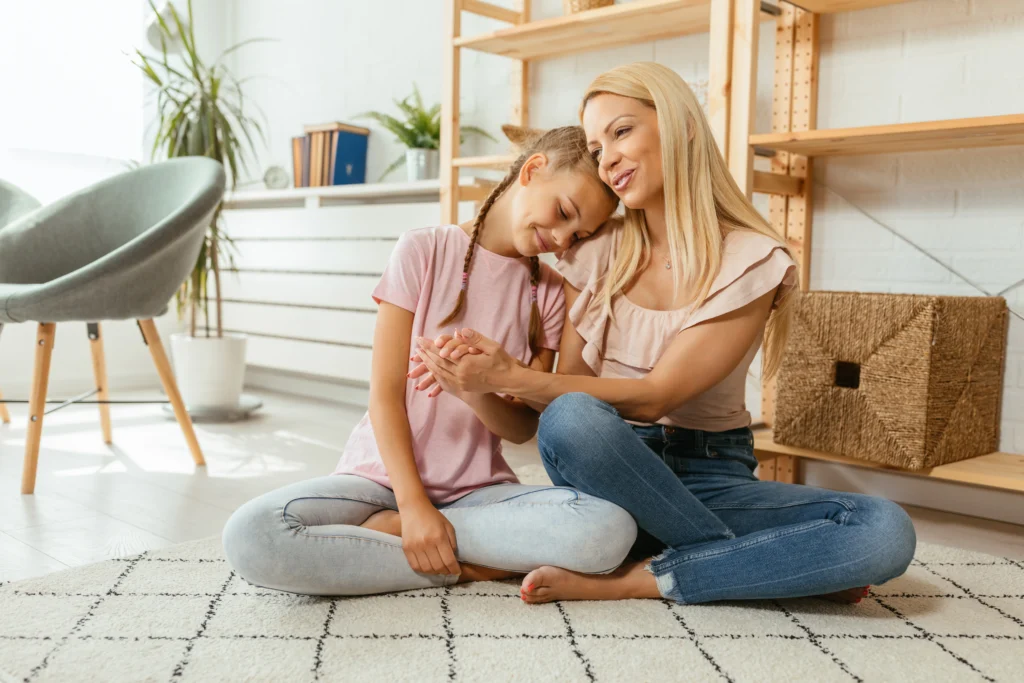
Parenting does not entail giving advice and punishments but it is an act which influences emotional development. All the interactions between the parents and children are emotional in character, and may be growth enabling or inhibiting. Such an energy and the beginning to the level of conscious living as parents, will find the relationship to be lasting and supportive to last throughout their lives. Understanding the Energetics of Parenting This study calls such emotional awareness of parents that they carry into their daily interactions the energetics of parenting. Emotional messages are more captivating to children compared to words. Patient, emphatic, and grounded parents are demonstrating emotional control, which is the basis of emotional intelligence in child development amongst children. Parental-energy awareness begins with self-reflection. Some parent who thinks will say: What nervousness shall I bring my mind to bear my child to-day, nervousness of anxiety or of calmness, of judgement or of curiosity? It is this self awareness, this being of mindful parenting. The applicability of Conscious Parenting. The traditional parenting system would be characterised by the tendency to be controlling i.e. to uphold rules, expectations or reward behaviour. But this is changed to connection and understanding through conscious parenting. This is not control and talk, but to be able to lead and listen. This will create a positive familial environment – where there is no fear to speak, respect towards each other, and emotional intelligence will run. Adoption of the Conscious Parenting Techniques of the home. How to implement conscious parenting techniques at home Integration of awareness to everyday life can be achieved through the combination of the methods, the most frequent forms of interaction may be the moment of connection that helps the parents to integrate the awareness into the everyday life. Emotional Intelligence of Parenting. Parenting coaching professionals believe that the parenting coaches can help the parents to bring forth emotionally secure children. And, when parents understand what they are triggering on themselves they can act in a way that is thoughtful as opposed to acting out of impulse. This type of knowledge enables the children to be self-controlling, emphatic and problem-solving which are the three pillars of emotional intelligence. In case the child is raised in an emotionally wise family, he/she is taught to accept the misfortunes as they appear and never to be afraid of it. This places them at the better position of managing stress and being able to sustain relationships and also becoming self-confident with the emotional world. Creating a Nurturing Family Home. The fact that it is a supportive family does not mean that it should be a perfect one. It is promoted on sincerity, reverence, and nurturance. Conscious parenting parents view their houses as emotional systems – as a place where the energy of all the members helps to balance. Reliability is also encouraged by establishment of family rituals like having meals together, expressing gratitude or open communication before sleep. These little things constitute emotional security which enables keeping families together using the twisted threads. Conclusion The energetics of parenting remind us that children mirror what they experience. Relaxed, understanding and loving parents will have the same characteristics as their children. The method of conscious parenting is not about doing anything or doing it better; rather, it is more a matter of being something more conscious and caring and connected. Being conscious in the direction of parenting styles and investing the emotional intelligence in child development in the growth of a child, the families will be emotionally stable, strong and well-paid. Follow Vedandi Brhambhatt on Instagram and YouTube, for daily insights, mindful parenting tips, and expert guidance on raising emotionally balanced children. FAQs In extremely simple terms, what is conscious parenting? It is an approach that revolves around self-awareness and self-knowledge against control and makes the children feel appreciated and accepted. What is emotional intelligence and how can one employ it to develop better relationships within the family? It improves the communication level and minimises the conflict and makes the family members relate to each other in a healthy and respectful manner. Does behaviour solve parenting coaching? Yes. Through coaching, parents can be helped to react deliberately, as well as to learn what makes them feel the way they do, and may help direct children down a more productive path. What is mindful parenting compared to the traditional one? Mindful parenting is presence-oriented as opposed to reaction-oriented and control-oriented, which is centred on discipline.What do you believe are the initial phases of conscious parenting at home? The first step that you should undertake is monitoring your emotions, which involves assuring your child, providing and sharing correction with connection.
How to replace criticism with connection and reframe everyday communication.

All the parents would desire to bring up confident, kind and emotionally intelligent children-but there are times when criticism can creep in before bonding is even achieved. Frustication may become a correction as opposed to comprehension in the bustle of everyday life. The transition of criticism to connection starts with awareness, intent and compassion. In this blog, the authors discuss how Conscious parenting, Parenting with intentionality can transform the topic of communication into a more nurturing and growth-oriented conversation. Learning to connect instead of criticise. Criticism will correct action, and by and large it is going to detach the relationship. Connection, however, develops trust. Respectful parenting will promote parents to perceive behaviour to be communication- not defiance. When a child is acting out, he/she is revealing a need or a feeling that he/she cannot properly name yet. Empathy can be used instead of harsh reactions to enable children to feel comprehended and not humiliated. Connection in Child autonomy parenting does not imply the absence of boundaries – it implies the involvement of your child in the process of comprehending them. Children are taught responsibility rather than resentment when the parents tell them reasons rather than merely saying no. The importance of Conscious Communication. Words are powerful mirrors. The inner voice of children is what they hear of their parents. In Conscious discipline for parents, we get to know that it is not all about control and communication but about educating by a quiet presence. Empathy and not anger has been found in research studies to improve the emotional intelligence of children and their emotional bonds with their parents. The manner in which you speak defines how your child believes in himself or herself- and in you. Effective Reframing of Everyday Conversations. Advertisements of Conscious and Respectful Parenting. Conscious parenting and Respectful parenting are both related to long-term emotional benefits in the children of their parents: These are also the Positive discipline strategies for toddlers that help in cultivating patience, confidence, and emotional maturity at a tender age. How Conscious Discipline Strengthens Relationships. Parental Conscious discipline for parents does not imply permissible parenting: it implies a lesson that is presented by association. Parents should ensure that they are calm during the conflict so that the child can feel safe even as he or she corrects him/her. This style creates an inward guide to a child instead of punishment as time progresses. The children are taught to be responsible by practicing empathy and boundaries and not by feeling shame. That is what Parenting with intentionality is all about discipline that is based on closeness and not control. Conclusion Criticism can shut a child in the present but bonding can make them better in life. Responsibility: You can become a consciously corrected parent with Conscious parenting, Respectful parenting, and Conscious discipline for parents, and you will no longer be reactive with the correctional aspect. Every word will be a chance to instruct, not hurt. Be kind in what you say, be a role model in empathy and your child will be able to do the same. Follow Vedandi Brhambhatt on Instagram and YouTube, for daily insights, mindful parenting tips, and expert guidance on raising emotionally balanced children. FAQs What is conscious parenting? It is a skill which is centred on awareness, empathy, and self-regulation enabling parents to mentor and not to control their kids. How do I substitute criticism with connection? Stop and respond to feelings, confirm emotions and reframe questions in a curious manner rather than an accusatory one in order to create meaning. What are the positive discipline strategies of a toddler? These are by providing options, sustaining regularity and educating limits by ensuring calm and respectful conversations. What is the benefit of child autonomy parenting? It will enable children to make minor decisions and develop confidence and emotional intelligence without violating parental restrictions. So what is the importance of intentional parenting? It assists parents in making decisions based on purpose and not impulse which builds the emotional connection and develops long-term trust.
A mindfulness-based approach to emotional regulation.

The secret of healthy parenting and child development lies in emotional control. The peaceful way of manipulation of emotions that the parents are just teaching the children to do so as well. The modern world is full of stress and people are more inclined towards reacting to the same- however, mindfulness is the clue to avoiding a gap. Emotional awareness and Conscious parenting should also teach families to gain a sense of understanding, strength and peace at home. Parenting and Emotional Regulation What Is Emotional Regulation in Parenting? It is possible to define Emotional regulation as the capacity of the child to interpret, to be able to express and to be able to deal with emotions. It starts with its parents, who demonstrate how one needs to react to frustration, disappointment and stress. The grown-ups do not lose their composure and children learn the balance of composedness. Mindfulness helps the parents to be without judgement around the feelings. They do not respond and leave space by allotting time to reason on how to respond. That is a little disparity, which brings faith and emotional security at home. Mindfulness and its role in Emotional Development Process. The passions are fruitful educators. Children have been taught through a conscious thinking process that everything about the feeling is good, even the painful one. The children would have developed better in the Emotional intelligence in child development aspect as parents are not corrective and responsive. By listening to the child, the parent would make the children feel that this parent is aware of him or her rather than passing judgments on him or her. The relationship aids in the control of behaviour and strengthens communication. Research indicates that Benefits of mindful parenting for child development would result in self control improvement and reducing anxiety would be reduced between parents and children. The advantages of Mindful Parenting to Child Development. Child development does not occur in the family alone as the Benefits of mindful parenting for child development. They also educate children to become healthier in their relationship, more focused and are more stable in emotional maturity. How to Be Mindful and Self-Aware to Be a Parent. It is these enhanced parenting practices of Self-awareness exercises for better parenting that aid in changing stressful situations to connection and understanding situations. Doing Unconditional Love in Tough Times. The most scrupulous parent becomes frustrated. Practicing unconditional love in challenging parenting situations during trying times of parenting entails the ability to be emotionally at hand when one least anticipates being available. Love is not an agreement–it is guaranteed. They should promise the children about love and they should not be punished first when they are misbehaving. It is this constant, which makes their nervous system to relax and learning and empathy to substitute fear and guilt. This model will be internalised among children in the long-term because children will learn to express emotions in a safe way. Conclusion The parent and the child are changed in the responsible emotion management approach. By means of Conscious parenting, Self-awareness exercises for better parenting, and Emotional regulation kids, couples can learn to be tolerant and understanding of each other. All the pauses, breathing exercises and displays of compassion are the manifestations of emotional intelligence in life. Mindfulness is not perfection but rather a more aware house that is brought to a moving state resulting in a less tense connected home. Follow Vedandi Brhambhatt on Instagram and YouTube, for daily insights, mindful parenting tips, and expert guidance on raising emotionally balanced children. FAQs What is emotional regulation among children? The fact that children are able to distinguish, and capable of dealing with emotions, which they acquire as parental guidance is a question of tranquility and sanity. To what extent can mindfulness be applied in parenting? Consciousness and attendance caused a parent to act deliberately rather than acting impulsively in case of stress. The question is what are the self awareness steps that can enable him to become a better parent? These include mindful breathing, journalizing and reflection in order to be aware of emotional stimuli and balanced communication. How shall I get placed to be in such a position to love without conditions in a conflict? Before proceeding to tackle the matter of behaviour, remain calm, pay attention to your child and assure them that you love them since this will provide them with emotional stability.Why is emotional intelligence important in the development of children? It makes them tougher, caring and empathetic and these attributes help the children to conquer the challenges in life with some degree of confidence.
The Rational Case of Conscious Parenting Not being Effective with Being Perfect.

The process of raising a child may resemble an unending chase of perfection. Parents in social media tend to scroll through idealised life and are pressured to meet unrealistic standards. Conscious parenting reverses that story. It diverts focus off the perfect performance and puts it into the here and now and the honesty of the moment. It does not encourage perfection; but, instead, it calls you to observe your emotions and what your child really requires. What Is Conscious Parenting? Conscious parenting refers to bringing up kids with conscious thought. It explains to parents to take time before making decisions and to be able to choose the kind of answer that is thought of and not one that is made out of reason. It is not that of obedience but the understanding of why a child acts in a certain manner. There is no need to command a child, it means being connected. Conscious awareness practices make parents aware that their responses determine the emotional environment of the family. They are in charge of themselves and their emotions, which makes them develop a safe, honoured, and valued house. The significance of Conscious Parenting. Children develop into secure, confident individuals when the feelings of the people are interpreted. Emotional intelligence, trust and resilience are all developed in Conscious parenting. It forms families in which children are able to express themselves without being afraid of being judged. Conscious parenting helps the families to remember that progress is better than perfection. The Conscious Parenting Techniques: The Home Implementation. Becoming an attentive parent is not something dramatic. It begins with little, intentional practices on a daily basis. Pause before you react. Breath when a child does something that you get activated by. That is the time to take it and react without haste. Speak with curiosity. Inquire about the feelings of your child rather than being quick to correct him. Use conscious discipline for parents. Discipline is a lesson, not some form of control. Establish regulations of respect and safety. Show self-awareness. By making an apology, you explain to the child that it is more about growth than being right. These habits also facilitate conscious co-parenting where both parties can share values, and constantly communicate even during a conflict. This togetherness makes children feel permanent and secure. This section represents How to implement conscious parenting techniques at home effectively through empathy, curiosity, and consistent practice. The Truth About Imperfection. Conscious parenting acknowledges that nobody is an ideal parent- that is alright. Both parent and child go through the learning cycle of which mistakes are part of the learning. Relinquishing perfection creates room to associate, empathise and be genuine. A mature parent understands that love is concerned with understanding and acceptance as opposed to control. The real indicators of this approach are being present, attentive and calm when the times are tough. Conclusion Being conscious with parenting is not what one should attain. It transforms self-criticism into sympathy and establishes healthier relationships in the family based on trust. Connection starts with consciousness and conscious transformation. Children learn that through learning rather than mastery. This is what Conscious parenting entails. Visit Vedandi Brahambhatt on Instagram and YouTube to read daily posts, tips on mindful parenthood and professional advice on how to bring up an emotionally balanced child. FAQs So what is the purpose of conscious parenting?It seeks to establish families that are emotionally sensitive wherein parents and children connect with each other in empathetic, trusted and efficient communication. What do you mean by the difference between conscious discipline of parents and traditional discipline?It is based on directions and knowledge and not punishment, which makes children responsible and sensitive emotionally. Does conscious co-parenting exist following separation?Yes. It promotes cooperation and emotional stability among children in the event of parents having separated. Which are the conscious parenting methods to be applied at home?Begin with little things: become a good listener, take time to speak to someone, and show emotions in their true form to demonstrate maturity. Can conscious parenting be applied at any age?Absolutely. It is useful to both young children and teenagers because it facilitates communication as well as emotional intelligence.
Parenting as a Spiritual Practice

Parenting a child does not just imply childhood upbringing, it is rather more about growing with a child. Each and every moment of joy, distress and experience brings to mind something in our inner world. In that light parenting may be a spiritual practice invitation to become more conscious, less judgmental and harmonious. The minute we get rid of control, reactiveness, we open up a space to be connected and grow in the actual sense. Parenting as Spiritual Journey Learning. Spiritual parenting encourages intimacy, in comparison to perfection. It is quite consistent with conscious parenting that conditions parents not to react to their emotions. Each issue would be a learning experience and a spiritual healing process. The practice given is about the need to be conscious when communicating and the need to be aware of the emotional needs of your child. Along this line, Attachment parenting practices and respectful parenting propose that parents should foster emotional security instead of authority. Trusting and accepting relationships are created when we replace dominance with empathy. Parenting is meditation therefore in the day to day life in which love, knowledge, and patience guides every action. Spiritual Parenting is relevant due to its role in character making of children and their family. When parents are not frustrated, they can show emotions of calmness and compassion by undergoing emotional moments. This strengthens emotional bonds other than advancing mental and spiritual development of children. Core Benefits Allows Self regulation and empathy through Co-regulation Parenting, to ensure that the children are able to portray the composed demeanour and behaviour. Creates a deeper understanding through Active Listening Parenting whereby the child feels like he or she is heard. Comes to be a strong person as now life can be considered as a course in patience and love. The pay offs of the said benefits outlive through generations- children raised in such a level of knowledge do emerge as emotionally mature, self-aware individuals. How to implement conscious methods of parenting at home. The next step in introducing spirituality in upbringing is mindfulness in mundane activities. The uses of How to implement conscious parenting techniques at home include the following: Pause before responding. Also take a break and take time to breathe and then react to the activities of your child. Validate emotions. This creates trust without necessarily judging them, being aware of their feelings. Set gentle boundaries. Replacement of punishment by empathy using the Gentle parenting methods for dealing with tantrums. Reflect afterward. Ask yourself the question, what the circumstance is teaching you in connection with your responses. These minor corrections inject everlasting emotional peace in the family. Focusing On overcoming normal obstacles. Spiritual parenting does not involve being perfect but being conscious. In case of stressful or exhausting circumstances, there may be the appearance of old habits and inherited patterns of parenting. Instead of being guilty, learn to practise self-compassion and remember that the more an individual does it, the more he/she becomes aware of it. The other manner in which a parent could be assisted is through the Parenting Workshops where tools and perspective could be obtained. Such programmes offer an effective practice that can assist in the process of control of emotions and the conscious practice of conscious co-parenting in that way that both caregivers share similar values of empathy and mindfulness. Conclusion Raising children is a self-discovery when used as a spiritual practice. All tantrums, cuddling, and silence are the time to form something in love and life. Conscious parenting can be used to remind us that we desire to relate and not to control. As we raise the hearts of our children we are raising our own. Visit Vedandi Brahambhatt on Instagram and YouTube to read daily posts, tips on mindful parenthood and professional advice on how to bring up an emotionally balanced child. FAQs How does conscious and spiritual parenting correlate?It is compassionate and caring, and it transforms the usual parenting into the religious growing and healing process. Could it be that the two parents are doing this at the same time?Yes, with conscious co-parenting, the parents can reach the point of mutual understanding in their feelings that creates a balanced atmosphere for the child. What would I do when tantrums are occurring?Use Gentle parenting methods for dealing with tantrums– stop, relax, and respond to the child with expression instead of taking impulsive decisions. Parenting seminars, would they help in spiritual development?Absolutely. Parenting Workshops offer insights of emotional mindfulness, conscious communication and family harmony instruments. Then what is the first step towards spiritual parenting?You will begin by observing your responses and training presence. Awareness is founded on transformation.
How Raising Children Can Deepen Your Connection to Your Higher Self and Purpose

Parenting is not just a process of ensuring a child grows up, it is a reflection that portrays your development. Every encounter, trial, and every moment of loving tells a lot about your inner world. You can learn to be patient, kind and humble by raising children with care. It is more than character-making when these experiences make you one with your great self where intent and harmony find consciousness. Raising Children, a Spiritual Journey. All the parents set out on the trip with the hope that they would produce a good, self-confident and well-adjusted child. What perhaps trends on unnoticed is the way in which this journey also changes the parent. You start becoming aware of your triggers and strengths as you navigate through the emotional, boundary and day-to-day choices. This consciousness is the basis of the Holistic Child Development, in which emotional, mental and spiritual development is cultivated as one. Child Development Specialists and all experts are unanimous on the fact that it takes self-reflection when it comes to conscious parenting. When you know yourself, you will be able to lead your child in a real and stable way. As you start to parent conscientiously, you are bringing up not one child but your consciousness. The Parenthood Emotional Reflecting Mirror. Children are psychological reflections. They tend to respond and demand the way you have unhealed feelings. Whenever a child is frustrated or scared, the kind of reaction you show reflects the level of calmness of your inside. This awareness and appreciation of this relationship enhances emotional intelligence in child development. Core Benefits Develops sympathy and self-identification, as an outcome of mutual development. Enhances emotional intelligence in child development, the children are taught to express and comprehend feelings clearly. Inspires peace within the individual self because parents will know how to control their emotions and then instruct the child. When parents respond rather than react they generate a harmony in family and in oneself. It makes parenting more of a meditation where being is the substitute of control. Coaching Children to grow Consciously through parenting. It is a step by step process to make awareness out of daily interactions. The following is the way to start incorporating spiritual and emotional development into the daily parenting: Observe, don’t control. Child Autonomy Parenting through practice enables children to make age-related decisions as they also gain confidence. Use positive guidance. Implement Positive discipline strategies for toddlers that involve communication and understanding as opposed to punishment. Reflect daily. Having experienced some tension, ask yourself what feeling was evoked and what the moral of this feeling is. Model emotional regulation. Your placid manner will teach theirs, and bring about external and internal balance. Through this dialogue rather than instructing parenting, both the parent and the child grow together by learning. Conquering Inner and Outer Challenges. Child rearing is bound to cause stress, fatigue and one full of doubt. The failures are not these moments, but chances to change. They are the causes of healing the areas of life when approached on the conscious level. Being mindful, patient, and compassionate solidifies your spiritual background and helps you get in touch with your purpose. Sustaining awareness and emotional development may also be assisted by any of the following professionals: Child Development Specialist or reflective parenting communities. They provide means of going through emotional ups and downs and focus on the holistic development of the whole family. Conclusion One of the most spiritual educators in life is upbringing a child with awareness. It challenges you to increase your ability to love, be patient, and understanding. With Holistic Child Development, you no longer bring up a child, but you are becoming a higher person. Parenting is a spiritual process where the self-discovery and cause are interlinked, and as a result, the process of self-discovery is more conscious and connected to the higher self. Visit Vedandi Brahambhatt on Instagram and YouTube to read daily posts, tips on mindful parenthood and professional advice on how to bring up an emotionally balanced child. FAQs Does parenting bring about spiritual growth?Through tackling the adversities, as well as feelings, in a conscious manner, parents become aware and compassionate, identifying with their greater self. What is holistic child development?The concept of Holistic Child Development pays attention to the emotional, mental, physical, and spiritual health of the parent and the child. What is the role of emotional intelligence in parenthood?Child development that is characterised by high emotional intelligence in child development enables parents and children to interpret and control emotions, which enhances stronger attachments. What are the positive discipline strategies of toddlers?Positive discipline strategies for toddlers will promote cooperation by use of empathy and setting boundaries instead of punishments. What is the contribution of child autonomy in parenting?Child Autonomy Parenting assists children to develop independence and decision making abilities whereas parents gain trust and patience.
Exploring the shift from automatic responses to mindful choices in parenting.

Parenting is more of an autopilot process. A child is crying and we re-play it and sometimes we are frustrated and sometimes we are in authority. There is an opportunity for connection in this trend. In the current times we have a number of families who are learning to stop, think and act. It is the process of desensitising to automatic responses and substituting it with conscious one to which turns out to be the basis of conscious parenting whose basis lies in the capacity of being aware of emotions, being empathetic, and having control over them. What Is Conscious Parenting? Conscious parenting may be explained as a method of child rearing in a conscious and emotional manner. It requests parents to be aware of what arouses them and communicate directly and deliberately instead of impulsively. It is also based on respect, growth and emotional security as opposed to obedience which is the element in the traditional practices. The style tends to be identical to the Attachment parenting practices and respectful parenting that is founded on the principles of trust and empathy without punishment. In a way, it improves the development of the relationship between the parents and the kids who are considered to be heard and appreciated. Why Mindful Choices Matter Children will know by the way we manage feelings and not what we say. The conscious choice will assist in turning the day-to-day challenges that tantrums, defiance, and emotional outbursts into the lessons and time of connection. Major Strengths Forms closer emotional attachment through Co-regulation Parenting where the children are allowed to relax as they are given by the parent the sense of stability. When parents are reactive instead of reflective they are instilling emotional intelligence in themselves as a lifetime competence that would play a role in making relationships healthier. Finding Conscious Parenting at Home. A person must take time and learn how to implement conscious parenting techniques at home. The points of starting are the following: This also connects to Gentle parenting methods for dealing with tantrums, where empathy and calm communication replace punishment. Favourable blocks to Mindful and Conscious parenting. Previous behaviours are so backward with ease when sensitised. Automatic eliciting responses are stress, fatigue or pressure of time. It is also the fear of parents that one is soft and therefore, he is lenient. The thing is that soft parenting styles of tantrums settlements are strict and not violent. Borders and pity will not be a danger to authority, but it will develop trust. It is also possible to achieve Parenting Workshops or therapy groups to help the parents re-learn the inherited styles of parenting and can identify the sources of the peaceful communication. It is assumed that these spaces are thought-provoking that allows parents to control their emotions right away. Conclusion The evolutionary process of the eradication of automatic responses to conscious choice is gradual. It must only be patient, kind, not good. Families will be able to establish understanding based and trust based homes when they experience active conscious co-parenting and active emotional involvement. With parents being conscious of their actions, the children grow to be emotionally strong even beyond their childhood and their emotional strength is modelled similarly. Visit Vedandi Brahambhatt on Instagram and YouTube to read daily posts, tips on mindful parenthood and professional advice on how to bring up an emotionally balanced child. FAQs Why then is there conscious parenting?It will include establishing a reciprocity and affectionate attachment between parent and child through mindful or conscious and unconscious reaction. What is the place of co-regulation in the context of tantrums?It makes the children feel safe since the parent is relaxed in his/her body language and the tone of the voice that reduces stress and emotional learning. Is conscious parenting effective with children of later age?Yes. The mindfulness in communication and emotional boundaries come in quite handy to the adolescents, but the style can be introduced at a later stage. Do the parenting workshops work with the beginners?Absolutely. They provide directions, the assistance, which is essential and rehearsal helpful in practising conscious parenting.So now what is the beginning of mindful parenting?The first step is to be self-conscious, learn to become aware of what causes you and count to one breath before responding and remind yourself of the fact that you can be stronger than being in control.
Addressing the myth of “doing it right” and embracing progress over perfection.

Contemporary parenting can be described as a trial. Parents compare with others, they make impossible ideals projected by the society, social media and even themselves. The reality is that we can never have an ideal parent. The real thing that is important is mindful parenting, the fact that one can remain present, self-aware, and empathetic when parenting a child. Once the pressure of doing things right is taken off, we create room to develop, bond, and be true in our relationships with our children. What Does Progress Over Perfection Have to Do with Parenting? Progress over perfection implies that parenting is not a perfect act, rather it is a lifelong process. Errors do not turn you into a bad parent, but humans are. Practising Parenting with Intentionality ensures that everything you do is not on autopilot. Rather than attempting to correct all the situations, be available, thoughtful, and receptive. This model establishes emotional security and trust as the children are shown that love is not about being perfect, but being present and being honest. The Self-Awareness in Parenting. Conscious growth as a parent is based on self-awareness. It enables you to be aware of what in your life excites your emotions, and in what way to respond, but not to react. You, with the help of the Self-Awareness Parenting, can detect any beliefs or patterns that have been inherited and have become outdated in your relationship with your child. Do some basic Self-awareness exercises for better parenting to become more parenting effective write in your journal after a bad day, stop yourself before you respond or talk about your feelings. Such practises will make you stay calm and in touch with yourself even during very overwhelming situations. Children acquire emotional intelligence when the parents demonstrate self-awareness. They learn to recognise feelings and fail to make mistakes in an empathetic way instead of a shameful way. Parenting With Perfection, Empathy and Compassion. Children do not need good parents, but sensitive ones. Empathy and Compassion Parenting makes you look past the behavior and the need or emotion behind it. As an example, a tantrum can no longer be disobedience, it can be a cry to comprehend. Once empathy is your new set point, your house is no longer a house of correction. Children grow in environments where they are comfortable to fail, express and learn. Disbusting the Myth of Doing It Right. The parenting myth is based on comparison and fear. Each child and family situation is different. What may work in one situation may not work in another situation. By concentrating on improvement, you end up being liberated from the phantasm of control. Parenting is no longer about showing but developing together. It is not about knowing it all but about being there when needed, despite the hard times. Every error will be a chance to build the resilience and emotional strength model. Conclusion The mothering process is not a performance, it is a relationship which is developed through presence and awareness. By adopting progress and not perfection, you will be opening the gateway to mindful parenting that is based on empathy, self-awareness, and compassion. Every day, you have an opportunity to be more Parenting with Intentionality and amuse Growth, not only your own but also your child. Stop being a perfectionist about doing it right and start the beautiful, ugly process of becoming a mindful parent. Visit Vedandi Brahambhatt on Instagram and YouTube to read daily posts, tips on mindful parenthood and professional advice on how to bring up an emotionally balanced child. FAQs What is mindful parenting? It is the habit of being available, attentive and non judgmental when dealing with your child and not trying to control his emotions, but to understand. What is the purpose of self-awareness among parents? It assists parents to identify patterns of emotions and react in a calm manner to improve communication and emotional stability in the house. What are low-level self-awareness activities towards effective parenting?Attempt to spend time journaling every day, take time to react and ponder on the emotional triggers after a difficult episode with your child. A description of Parenting with Intentionality?It is being intentional and conscious about raising children rather than an automatic reaction.What will be the effects of empathy on parenting?Empathy enables you to feel what your child is feeling and this enhances trust and an emotional secure environment is formed.