

The Conscious Parent’s Journey: From Reactivity to Reflection
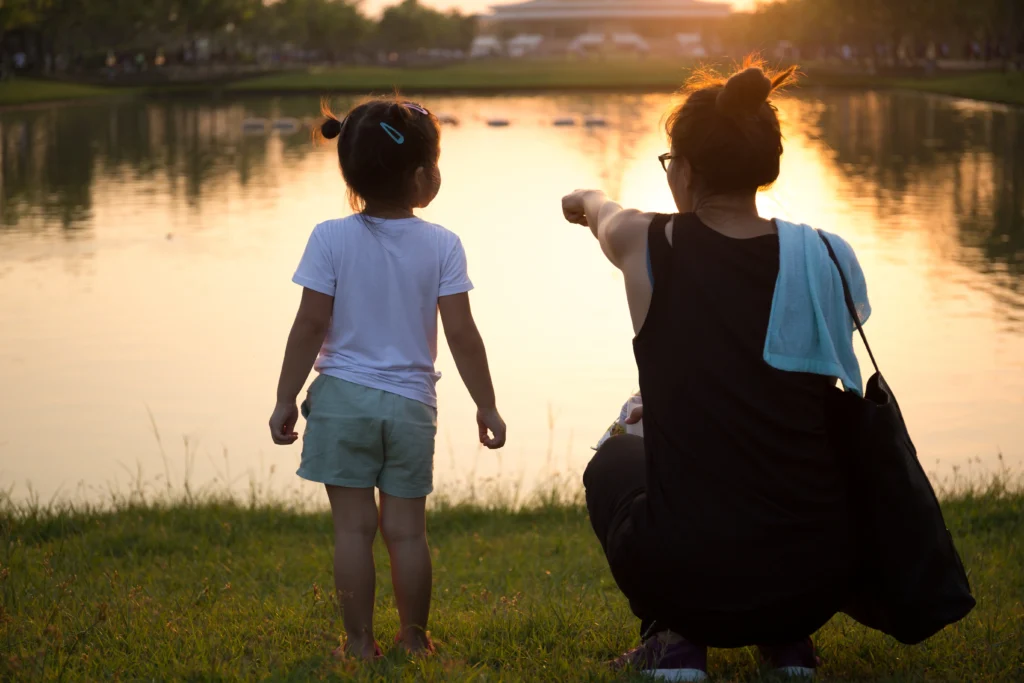
Parenting is full of difficult situations that are prone to induce reactions of impulses based on frustration or stress. As these impulsive reactions are shifted to a reflection, mindfulness, and intentional space, this parent and child relationship is altered. What it has brought is increased harmony, knowledge and a basis to lifelong development. Vedangi Brahmbhatt is an expert in child development who takes families throughout the USA through this conscious journey. In this blog, conscious parenting is demonstrated to be the difference between reaction and reflection, which enables parents to develop empathy, patience, and strong relationships. 1. The Emotional Patterns and Triggers. Awareness is the first step. Parents tend to repeat the patterns they experienced when growing up responding to unresolved emotions or stress triggers. Mindfulness and self-reflection are the means by which conscious parents should be taught to identify such triggers. By using tools like mindful parenting and nonviolent communication, they can pause before reacting. This enables purposeful and relaxed responses that shape emotional control among children. It also serves as a good example in the play and daily interactions of the toddler. 2. Cultivating Active Listening and Empathy Through Family Meetings Connection is enhanced through reflection. Active listening will allow parents to hear not only words but also hidden emotions and desires. Regular family meetings give a structured space for this deep listening and open dialogue. The habit cultivates empathy, lessens misunderstandings, and solves conflicts amicably. It also provides the children with a voice, where they are invited to take part in family decision-making and establish mutual respect and co-creation. 3. Creating a resiliency strategy and holistic development with conscious co-parenting. The conscious style extends the single parenting scenario to the entire family. In cases where conscious co-parenting is applied, the parents will be backing each other to grow and will provide consistent environments that promote the growth of children. By applying reflection and intentional communication, families promote holistic child development—emotional, social, cognitive, and moral growth. Such activities create strong ties, improved relations, and emotional health among all. Conclusion: Transform Your Parenting Journey with Reflection and Mindfulness The conscious parent’s journey from reactivity to reflection benefits every family member. Knowing, feeling, and actively practicing allow you to establish the foundation of further bonding, tolerance, and strength. For personalized guidance on mindful parenting and co‑parenting, explore Vedangi Brahmbhatt’s consultations, resources, and courses. Don’t miss following us in Instagram, and YouTube to get continuously inspired and get advice of professionals. This is my hint: When a difficult parenting situation occurs and you are likely to react, squeeze three deep breaths in between the reaction, they give you time to think and relax. To be informed of the latest updates and press releases, please visit this page.The skills of Vedangi Brahmbhatt enable parents to think mindfully. Education and community Visit vedangibrahmbhatt.com to support and be educated on your conscious parenting journey.
Conscious Co-Parenting After Divorce or Separation

Introduction Divorce or separation is normally one of the hardest transitions in life that causes emotional turmoil and shifts among all members of the family. It is understandable that parents would be concerned about the effect on the children. However, with a deliberate co-parenting, you can develop stability, empathy and resilience- and the well-being of your child has to be the priority. The road can be varying in every family, however in Vedangi Brahmbhatt, we provide parents throughout the USA with time tested, understanding approaches in the peaceful post-divorce parenting. 1. Prioritize Nonviolent Communication and Active Listening The relationship that a co-parenting relationship can be built on is that of nonviolent communication. Despite the separation, it is still possible to communicate with your co-parent in a sensible way before placing the respect and needs of your child first. Active listening parenting leads to improved tension-free communication between both adults and children as well as understanding of each other. Family meetings (meetings even when parents live in different houses) are among the supports, which permit the open communication possibilities and enable children to share their emotions regarding transitions. The exchange of information regarding school, everyday life and even the activities of toddlers makes sure that the children feel secure and assisted regardless of their location. 2. Support Emotional Regulation for Kids and Adults In case of divorce, children usually have problems with depressive and happy moods. As the conscious parent it is good to make kids learn the necessary emotional regulation kids require not only with words, but also with serenity in energy and stable routine. Security and confidence are developed through mindful transitions between homes, justification of how children feel and predictability in the discipline such as positive discipline (instead of punishment) with toddlers. Self-care and emotional regulation are also important when it comes to adults. Use the work of professional resources and best parenting books as a tool and validation. In some cases, consulting a child development expert would be helpful in offering specific assistance to special family situations. 3. Foster Holistic Child Development with Consistency and Collaboration The healthy post-divorce families are dedicated to the process of full child development, not merely emotional, but cognitive, social, and physical. Regular anticipations on either side (such as how to use screen time, eat, and sleep) reduces the ambiguity in children. In states like Conscious Co-Parenting NJ, the success of co-parents has been achieved through the reduction of differences in routines, rules, and even holiday routines. Exchanging materials about the methods of co-parenting that can be adopted at home and frequent visits between parents can facilitate the difficulties and establish mutual trust. Conclusion: Divorce is a chapter, and not the story. Through caring, dialogue, and mindfulness, one can establish a base of happiness, recovery, and development by the co-parenting process. When children grow up with love, predictability and the consistent availability of parents who are concerned with them, they thrive. Vedangi Brahmbhatt has specialized consultations which enable families to flourish post transition. Also, keep in mind to follow us on Instagram, and YouTube in order to get continuing tips and resilience stories. Hint: Tally a co-parenting journal- exchange notable ideas, times and experiences between homes to make the life of your child as smooth as possible. To see our most recent press releases, please visit the following address:To learn more and start your healing co-parenting journey, visit vedangibrahmbhatt.com and explore our resources, courses, and consultation services.
Gentle Parenting vs. Conscious Parenting: What’s the Difference?
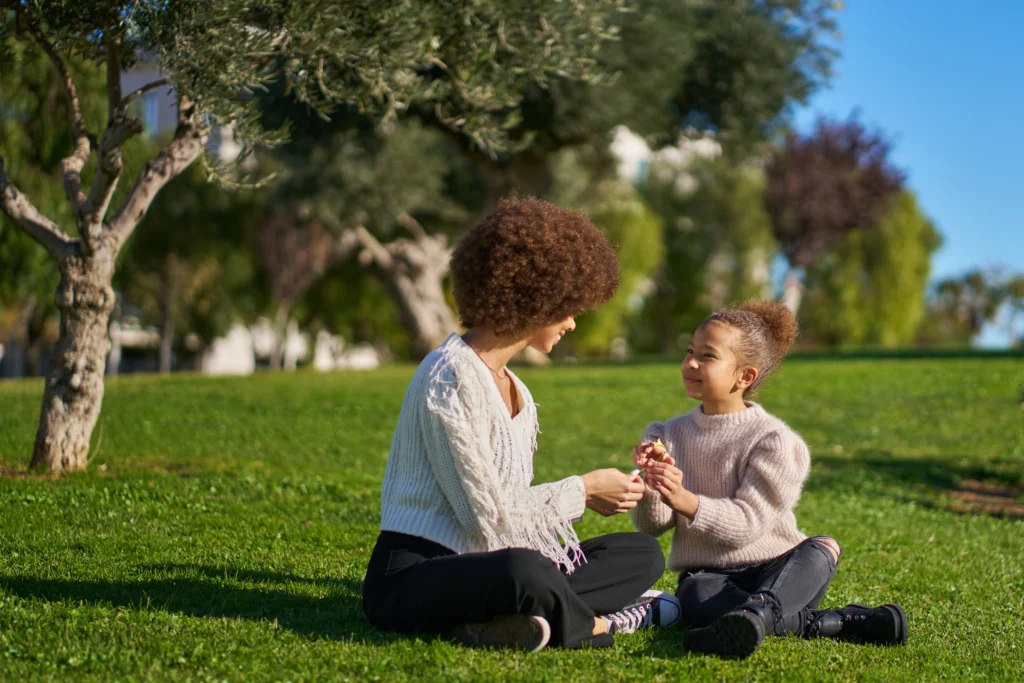
Introduction The paradigm of parenting has evolved greatly with families in search of models that are not just behavior oriented but those that are deeply concerned with the inner worlds of children that are involved with the emotional growth of such children. Gentle parenting and conscious parenting is one of the most discussed nowadays. It is necessary that parents in the USA are aware of the distinction between these philosophies to be able to make a decision that matches their values and needs of their child. I assist families in acquiring the knowledge and the resources necessary to support interconnected parenting in the present modern era at Vedangi Brahmbhatt with my backgrounds as a specialist in child development. Traced in this blog, I unfold each of these styles, how either has some special advantages, plus how either can come to the rescue of your family, in the daily toddler play, as well as in the difficult emotional situations. 1. The Foundation: What Sets Gentle and Conscious Parenting Apart? Kindness, respect, and empathy are the key elements of any interaction between a parent and his or her child, which is the foundation of gentle parenting. It is concerned with non-punitive discipline, empathy and encountering the children at the level they are feeling. When parents use the style, they are likely to revert to positive discipline with toddlers that are not based on shame/fear but on teaching rather than correcting. The conscious parent on the other hand is a self-conscious being, and an intended being. Conscious parenting can be defined as the act of sensitizing to triggers or emotional pattern and experience in order to respond rather than react to a child. It often incorporates practices like attentive parenting, daily self-reflection, and living in the moment to help the families to interrupt negative patterns and heal together. 2. Communication and Emotional Growth The two methods consider the significance of a non-violent communication and verify it in daily non-disrespectful conversations. Conscious parenting however, takes a step further to ask the parents to look into the nature of their emotional response. Active listening parenting is a strategy that helps a conscious parent not only to validate his or her child but also to be attentive to his or her own feelings and past damages that can be aroused. The two methods promote family gatherings to generate collaboration, trust and problem solving competence. These meetings are also being connected to the families where each individual is always welcomed to be open and engage in the working process of creating the family agreements and conflict resolution. 3. Holistic Child Development and the Role of Co-Parenting Gentle parenting and conscious parenting are differentiated such that both are committed to the holistic growth of the child such as emotional, cognitive and social growth. However, conscious parenting is particularly brilliant when it comes to the long-term outcomes, both in terms of generation. Through openness and mutual healing, the whole family system turns into a strong and healthy one. Conscious co-parenting enables the families to become united in values, emotional intelligence and teamwork in all parenting activities as well as regularities. These strategies can be easily incorporated into the routine, day-to-day life of toddler, as well as challenging transitions. The result? Children who grow with emotional self-control, confidence and inner security. Conclusion: Choosing the Right Path for Your Family It is true that the principles of gentle parenting and conscious parenting are similar, however, self-awareness and healing are the crucial distinction. Gentle parenting focuses on the child’s present experience, while conscious parenting encourages parents to reflect and grow continually. Together, they create a family culture of lifelong learning and empathy. My products and services are personal consultative work and materials offered to families seeking to further develop their parenting practice with the help of a professional. Get inspired, learn parenting tips, and stay updated on the latest mindful family living news. Follow me on Instagram, and YouTube. A little tip of mine here: you must begin small, it means for you to think of a single thoughtful moment a day and be attentive to your responses and how your parent child relationship starts to change. In order to see our recent press releases, visit the following page. We believe that empowered parenting at Vedangi Brahmbhatt is based on informed choices. You can access mindful and conscious education, books, and personalized guidance on your conscious journey by visiting vedangibrahmbhatt.com. Gentle Parenting vs. Conscious Parenting: What Is the Difference?
The Connection Between Mindfulness and Peaceful Parenting

Introduction The present-day parenting of the modern world may be overwhelming, especially in the course of meeting the daily chores, emotional control, and meeting the needs of a child. Peaceful parenting does not mean finding some quick fixes to our issues- it is a journey of building a mental existence in our minds and in our families. Mindfulness as the conscious parent learns is the secret of responding and not reacting to difficult times and creating a place of safety, empathy and respect. Being a well-established child development professional who provides my services to families in the USA, I would support the benefits of mindful parenting as life-changing. As a part of this blog, I will discuss how the secret to harmonious relationships, healthy children, and family harmony is mindfulness. 1. Mindful Parenting Enhances Emotional Regulation Kids Need One of the most noticeable consequences of mindfulness is that it may help control the emotions of a person, not only in the parents but in children as well. Self-reflection and sleep are ways of daily life that can allow parents to address stressful toddler behavior in a non-stressed fashion. Children grow well in harmonious families where giant emotions are handled with patience, insight and instruction. Mindfulness also increases the ability of a parent to implement positive techniques of punishing toddlers- creating pleasant boundaries that instruct, rather than reprimand. Such thoughtful approaches yield sense of security, and confidence over time and this allows children to be emotionally street smart throughout their lives. 2. Family Meetings and Active Listening Parenting Promote Connection Mindfulness of parenting will start by being a full presence- listener; listening and affirming the voice of every group member. The connection of this nature is offered due to frequent family meetings. These meetings facilitate the free dialogue of emotions, difficulties and rules even on an informal level. Parenting at home through active listening enables parents to exhibit empathy and respect, a factor that reduces conflict and leads to increased trust. Listening actively assists the children to share and strengthen self-esteem and instills discipline as a team effort rather than a contention. 3. Holistic Child Development Is Fueled by Mindfulness Whole child development and mindfulness are similar. Peaceful parenting is not merely a behavior, as it builds all of the child developmental facets, such as emotional, cognitive, social, and moral. Parents should choose toddler activities that facilitate mindful engagement (outdoor play, meditation, or storytelling) to help children develop curiosity and compassion. Besides, parents can apply mindfulness to strengthen conscious co-parenting, increasing awareness of partnership, communication, and shared goals for the family’s well-being. It is a unified practice, which keeps the stress level under control, since there is harmony in life above individual interaction. Conclusion: Unlock Peaceful Parenting Through Mindfulness Mindfulness is not an objective but a habit that you practice on a daily basis and this transforms the parental experience. The awakening of awareness and emotional control and bonding will allow the parents the keys of peaceful parenting to every member of the family. One of the ways to start practicing these conscious steps is to research my expert resources, consultations, and courses aimed at helping every modern family on its mindful path. Don’t forget to follow me on Instagram, and YouTube. for motivation and practical parenting tips. Hack: Have a conscious morning every morning- inhale two times and make a purpose- take about a calm, interrelating day. You can find our recent news and updates in the latest press releases. My project, Vedangi Brahmbhatt, helps modern families discover peace through mindfulness. Explore my courses, books, and personalized service to your mindful parenting process visit vedangibrahmbhatt.com.
Self-Care for Conscious Parents: Why You Can’t Pour from an Empty Cup

Parenting is an unwavering journey that’s full of joy, trials and deep connections. Yet too often, parents – especially those striving to be the conscious parent – neglect their own well-being in the process, leading to burnout and exhaustion. The truth is, you’re not able to pour from an empty cup. Prioritising self-care is not selfish; it is an essential foundation for mindful parenting, Emotional Regulation Kids, and family harmony. Vedangi Brahmbhatt, a trusted Child Development Specialist, supports parents across the USA in embracing self-care practices that nourish the whole family system. This blog will share why self-care is important, ways to integrate it into your life in meaningful ways, and the positive impact it has on your kids. Self-Care Builds Your Ability to Parent Mindfully Mindful parenting requires patience, presence, and emotional regulation – all things that are hard to accomplish when running on empty. Taking time to recharge physically, emotionally, and mentally reestablishes your capacity to engage in Active Listening Parenting and respond thoughtfully, not react impulsively. Simple rituals including meditation, gentle exercise, or quietly reading (perhaps from one of the Best Parenting Books) increase calmness. When you care for yourself, you strengthen the foundation to implement Positive discipline strategies for toddlers effectively and compassionately. Modelling Healthy Habits Supports Holistic Child Development Children learn by example. When they witness parents pushing their own self interests, they learn valuable lessons about self-respect, balance, and emotional strength. This supports Holistic Child Development – nurturing emotional, social, cognitive, and physical growth. Incorporating Toddler Activities that encourage independence also allows parents designated rest and self-care moments. Through Family Meeting and open communication, families can create shared agreements that support everyone’s needs, cultivating an environment for healing and growth. Self-Care Allows Us to Consciously Co-Parent and Communicate When parents are feeling balanced, communication is improved, to benefit the whole family. Embracing conscious co-parenting with partners gets easier to do as stress and overwhelm dissipate. Parents can practice more effective Nonviolent Communication: creating security and trust. Regular check-ins, such as Family Meeting, create space to express feelings and adjust routines, supporting both parental well-being and children’s ability to regulate emotions. Managing your energy ensures the provision of a more loving and supportive home for your child’s flourishing. Conclusion: Fill Your Cup to Feed Your Family Self-care is an act of empowerment that’s essential in the mindful and intentional parenting journey. Taking care of yourself improves your relationship with your child and helps you have the clarity and compassion to navigate the ups and downs of parenting. For customised advice on How to implement conscious parenting techniques at home and conscious co-parenting, consult with Vedangi Brahmbhatt. Don’t forget to follow us on Instagram, and YouTube for more insight and practical tips about living mindfully as a family. Here’s a tip: schedule some short daily moments for yourself, even if just five minutes, to breathe deeply and reset your mindset. There is a profound difference in making a difference. For the latest in news and updates, please click here to access our recent press and news. At Vedangi Brahmbhatt, we believe taking care of yourself is what fuels your children’s growth. Visit vedangibrahmbhatt.com to view courses, Best Parenting Books, and consultations that nurture mindful thriving families, while embracing the Benefits of mindful parenting for child development.
Understanding Triggers And Why It’s Such An Important Part Of Parenting

Triggers are emotional responses due to unresolved past woundedness or stresses (often resulting in exaggerated responses to basic parenting issues). For instance, a tantrum by a toddler may elicit out-of-proportion frustration that harkens back to your childhood. By developing self-awareness through practices like mindful parenting and Active Listening Parenting, you can identify these triggers before they escalate. This insight aids in changing responses to thoughtful reactions, setting a calmer tone and modelling Emotional Regulation Kids for your child. Using Nonviolent Communication to Respond, Not React When triggered, parents can unintentionally speak in ways that escalate conflicts, rather than resolving them. Employing Nonviolent Communication helps to express feelings and needs without blame or judgment. For instance, instead of reacting with anger to a toddler’s misbehaviour, calmly stating your concern and setting clear boundaries aligned with Positive discipline strategies for toddlers encourages cooperation and respect. Creating Supportive Family Structures with Family Meeting and conscious co-parenting Parental triggers may be reduced by developing strong family systems. Holding regular Family Meeting enables everyone, including children, to share their feelings, voice concerns, and devise solutions together. Additionally, practising conscious co-parenting helps to ensure consistent support and communication between caregivers, reducing stress triggers and reinforcing stable environments for kids’ Holistic Child Development. Conclusion: Master your Triggers to Embrace Empowered Parenting Awareness and management of your triggers are transformative for peaceful parenting and nurturing Emotional Regulation Kids need. For personalized strategies, connect with Vedangi Brahmbhatt’s expert consultations designed to help families thrive through conscious co-parenting and mindful parenting techniques, including How to implement conscious parenting techniques at home. Don’t forget to follow us on Instagram, and YouTube for regular insights and tips on Toddler Activities. Vedangi Brahmbhatt brings deep knowledge and heartfelt direction to empower parents on their journey. Visit vedangibrahmbhatt.com to browse courses, Best Parenting Books, and consultations designed to help families maintain healthy growth, while embracing the Benefits of mindful parenting for child development.
The Role of Inner Child Healing for Conscious Parenting

Parenting is one of the greatest catalysts for personal growth, a journey in which healing your inner child is as important as nurturing your own child. The conscious parent understands that unresolved wounds from their own childhood can influence how they respond to their children. For parents all throughout the USA who are looking for connection and mindful family living, embracing inner child healing brings profound transformation for both generations. Vedangi Brahmbhatt, an experienced Child Development Specialist and advocate for mindful parenting, emphasises integrating inner healing with How to implement conscious parenting techniques at home. This holistic approach aids Emotional Regulation Kids, enhances bonds, and fosters healthier family environments. Understanding the Inner Child’s Role in Parenting Patterns Our inner child carries memories, emotions, and beliefs established during early experiences. Without healing these parts, parents can unconsciously repeat patterns of behaviour sometimes harshly setting limits, struggling with regulation, or avoiding conflict out of fear. Understanding the influence that your inner child has on your parenting helps break these cycles. Through practices often accompanying the conscious parent teachings, such as Active Listening Parenting and Nonviolent Communication, healing creates space for empathy and patience, enriching both your growth and your child’s development. Healing the Inner Child Aids in Emotional Regulation Kids When parents attend to their own emotional wounds, they are better equipped to help with Emotional Regulation. Kids need to thrive. Healing cultivates calm and self-awareness, which models resilience and emotional intelligence for children. This aligns with Holistic Child Development principles that nurture the whole child emotionally, socially, and cognitively. As parents heal, they create safer environments for children to explore emotions securely, strengthening cooperation and attachment key Benefits of mindful parenting for child development. Strengthening Family through conscious co-parenting and Family Meeting Inner child healing also improves relationships within the family system. Couples who practise conscious co-parenting with healing awareness foster compassionate and consistent communication, reducing conflicts that affect children. Using Family Meeting to openly discuss feelings and expectations encourages openness and participation. These tools, inspired by mindful parenting, build environments where families can co-create respect, understanding, and collective healing. Conclusion: Embracing Inner Child Healing to Change Your Parenting Journey Understanding and nurturing your inner child is critical to becoming the conscious parent you aspire to be. It helps dismantle toxic patterns, manage emotions healthily, and develop heart-centred relationships within your family. For customised advice, you can consult with Vedangi Brahmbhatt or explore resources such as the Best Parenting Books, courses, and consultations to support your journey. Don’t forget to follow us on Instagram, and YouTube for more inspiration on Toddler Activities, mindful parenting, and child development.
Why Parenting Is About You, Not Just Your Child: A Conscious Parenting Perspective
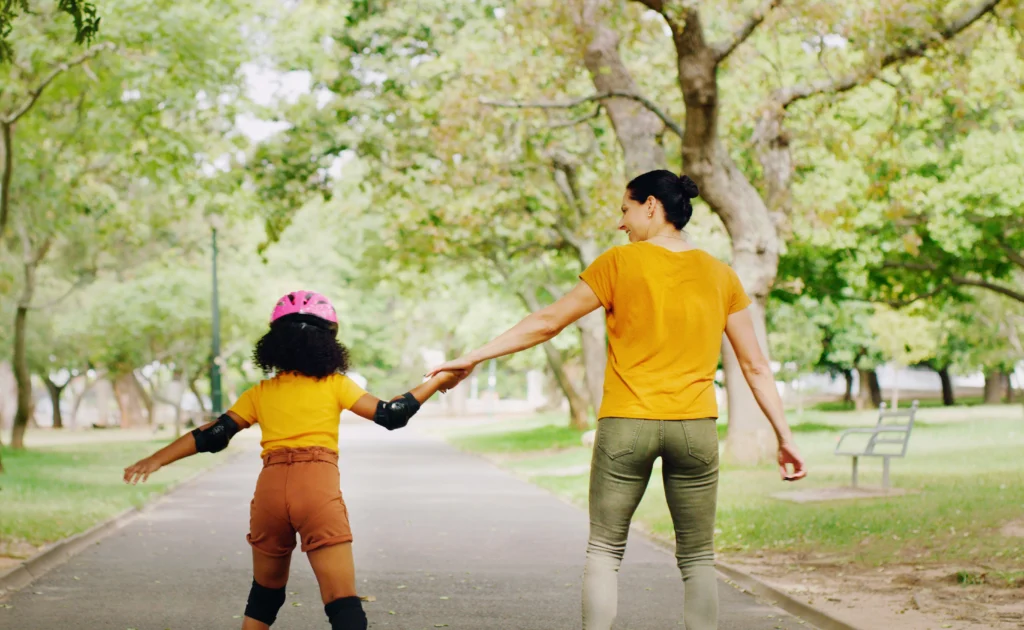
Setting boundaries is an important part of having a healthy relationship and healthy family dynamics, but for many parents this comes with a large amount of shame or guilt when setting and enforcing limits. In a world filled with advice and social pressure on raising a child, it’s easy to think that if you are setting rules or saying “no,” you are being a harsh or unloving parent. However, the conscious parent knows that clear, compassionate boundaries contribute to security, respect, and trust in children, and help children to develop resilience and Emotional Regulation Kids need. Vedangi Brahmbhatt is an experienced Child Development Specialist helping to teach families across the USA how to embrace boundaries without fear or guilt by using mindful parenting strategies. In this blog, learn How to implement conscious parenting techniques at home assertively while being loving and establishing the basis for healthy growth and connection. Recognise Boundaries as Acts of Loving and Caring Setting limits easily lends itself to being viewed as punishment or rejection, when in fact it’s a critical form of nurturing. Boundaries communicate safety and predictability, helping children feel secure. When parents frame limits as acts of protection and love, the guilt that comes with saying “no” lessens. Integrating boundaries into Positive discipline strategies for toddlers helps children understand the “why” behind rules. This approach promotes cooperation over rebellion and supports Holistic Child Development. Practise Nonviolent Communication to Express Boundaries Clearly Clear, empathetic communication is key to setting boundaries without shame. Using Nonviolent Communication techniques, parents can express needs while validating their children’s feelings. This includes calmly stating limits, giving reasons briefly, and offering alternatives. For example, saying, “I want you to be safe, so you need to be in the backyard. Let’s choose some fun toys to play with here,” models respect and offers choice within limits. This helps kids feel heard and reduces power struggles – a true Benefit of mindful parenting for child development. Use Family Meetings and Active Listening Parenting to Build Consensus Including children in discussions of limits through regular Family Meetings promotes ownership and understanding. When kids help set household rules, they’re more likely to respect them. Practising Active Listening Parenting during these discussions enables parents to fully hear children’s perspectives and co-create boundaries aligned with family values. This collaborative process strengthens bonds and minimises guilt parents may feel when imposing limits alone. Conclusion: Boost Your Parenting Power with Compassionate Boundaries Setting boundaries without shame or guilt transforms parenting into a journey of empowerment and love. Clear limits teach safety, responsibility, and Emotional Regulation Kids need for lifelong success. For personalised guidance, consider a consultation with Vedangi Brahmbhatt – an expert in conscious co-parenting and mindful parenting. Her consultations, resources, and even recommendations for the Best Parenting Books offer tools to help families thrive. Don’t forget to follow us on Instagram, and YouTube for ongoing advice and inspiration on Toddler Activities, mindful parenting, and child development. At Vedangi Brahmbhatt, we believe conscious parenting is about boundaries paired with empathy, helping families grow stronger together.
How to Set Boundaries Without Shame or Guilt – A Conscious Parenting Guide

Setting boundaries is an important part of having a healthy relationship and healthy family dynamics, but for many parents this comes with a large amount of shame or guilt when setting and enforcing limits. In a world filled with advice and social pressure on raising a child, it’s easy to think that if you are setting rules or saying “no,” you are being a harsh or unloving parent. However, the conscious parent knows that clear, compassionate boundaries contribute to security, respect, and trust in children, and help children to develop resilience and emotional regulation kids need. Vedangi Brahmbhatt is an experienced Child Development Specialist helping to teach families across the USA how to embrace boundaries without fear or guilt by using mindful parenting strategies. In this blog, learn how to implement conscious parenting techniques at home assertively while being loving and establishing the basis for healthy growth and connection. Recognise Boundaries as Acts of Loving and Caring Setting limits easily lends itself to being viewed as punishment or rejection, when in fact it’s a critical form of nurturing. Boundaries communicate safety and predictability, helping children feel secure. When parents frame limits as acts of protection and love, the guilt that comes with saying “no” lessens. Integrating boundaries into positive discipline strategies for toddlers helps children understand the “why” behind rules. This approach promotes cooperation over rebellion and supports holistic child development. Practise Nonviolent Communication to Express Boundaries Clearly Clear, empathetic communication is key to setting boundaries without shame. Using Nonviolent Communication techniques, parents can express needs while validating their children’s feelings. This includes calmly stating limits, giving reasons briefly, and offering alternatives. For example, saying, “I want you to be safe, so you need to be in the backyard. Let’s choose some fun toys to play with here,” models respect and offers choice within limits. This helps kids feel heard and reduces power struggles – a true benefit of mindful parenting for child development. Use Family Meetings and Active Listening Parenting to Build Consensus Including children in discussions of limits through regular Family Meetings promotes ownership and understanding. When kids help set household rules, they’re more likely to respect them. Practicing Active Listening Parenting during these discussions enables parents to fully hear children’s perspectives and co-create boundaries aligned with family values. This collaborative process strengthens bonds and minimises guilt parents may feel when imposing limits alone. Conclusion: Boost Your Parenting Power with Compassionate Boundaries Setting boundaries without shame or guilt transforms parenting into a journey of empowerment and love. Clear limits teach safety, responsibility, and emotional regulation kids need for lifelong success. For personalised guidance, consider a consultation with Vedangi Brahmbhatt – an expert in conscious co-parenting and mindful parenting. Her consultations, resources, and even recommendations for the best parenting books offer tools to help families thrive. Don’t forget to follow us on Instagram, and YouTube for ongoing advice and inspiration on Toddler Activities, mindful parenting, and child development.
No Fear, No Force: Oh My God, Navigating Power Struggles Without Using Fear Or Force: A Conscious Parenting Guide
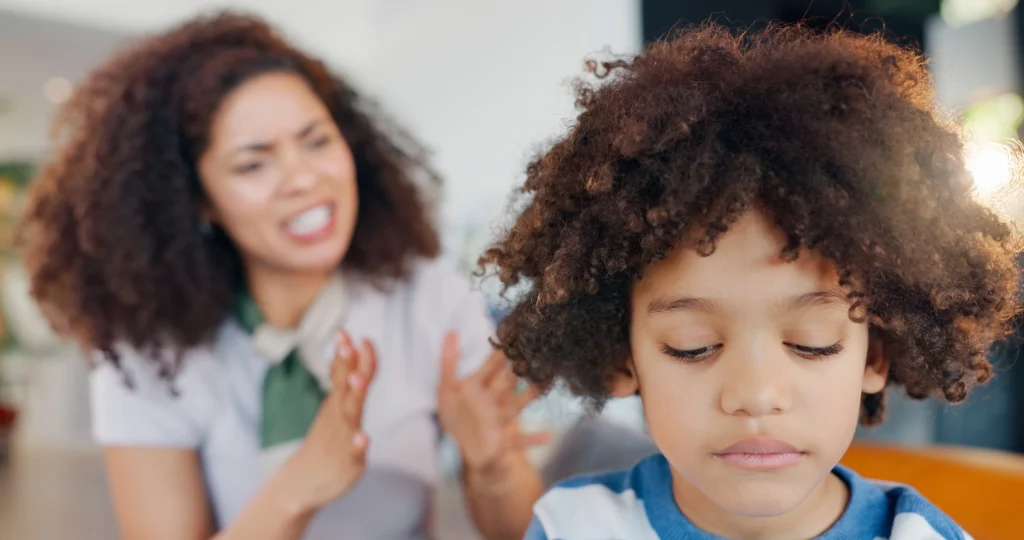
Parent-child power struggles are also some of the most stressful situations in family life. Resistance and boundary testing are normal, especially in toddlerhood and early childhood – but fear or force will only serve to increase conflict and harm trust. Wouldn’t there be a softer, better way? The mindful parent recognises that such situations can become moments of connection, learning, and growth with mindful parenting and respectful strategies. We personally have witnessed how parents in the USA can overcome power struggles without any form of punishment or control strategies at Vedangi Brahmbhatt, a reputable Child Development Specialist, to raise healthy, peaceful families. In this post, you will get some must-have tips on how to help your child grow emotionally and manage within your limits in a graceful and compassionate manner. Embrace Open Communication With Family Meetings and Active Listening Nonviolent dialogue in your family is one of the most powerful tools to prevent and stop power struggles. Family meetings help to create a safe environment where everyone can express their ideas – your toddler counts as well as your teen – when it comes to setting expectations and developing solutions. Active listening parenting has nothing to do with just echoing what your child says. Children don’t feel the need to rebel when they feel truly understood. This creates trust and minimises frustration on both ends, supporting the foundation of mindful parenting. Use Positive Discipline Approaches to Toddlers Positive discipline approaches to toddlers are aimed at teaching behaviour, not punishing. This means setting up routines, offering limited options, and having consequences your child can understand. These practices complement the benefits of mindful parenting on child development, helping children learn responsibility and cooperation without intimidation or coercion. Build Emotional Regulation and Resilience Children are still learning about big feelings. It is important to model emotional regulation skills they require. By staying calm in challenging situations and teaching coping techniques such as deep breathing or naming feelings, parents help children learn essential tools. This child development approach is holistic because not only does it ease power struggles in the short-term, but it also equips children for success in social and emotional aspects of life – all central to becoming a conscious parent. Conclusion: Your Journey in Conscious Parenting Begins Today It is an achievable, realistic, and rewarding goal to navigate power struggles without fear or force. Open communication, positive discipline approaches to toddlers, and emotional regulation help create stronger, more conscious family relationships. To receive individual guidance specific to your family’s needs, schedule an appointment with Vedangi Brahmbhatt, one of the most prominent professionals in conscious co-parenting and mindful parenting. Learn about our programmes and resources that empower you to become the conscious parent. Don’t miss following us on Instagram, and YouTube to find out more about mindful parenting and Toddler Activities that nurture growth. Here’s a quick tip: when tension escalates, pause and take three deep breaths before acting – this reset gives you space to respond with empathy and connection. To view our recent press releases, visit this page.